


Prototyping hardware for robotics is a crucial step in the development of any robotic system. It involves the creation of preliminary models that can be tested and improved upon, allowing engineers to identify and rectify issues early in the design process. In this comprehensive guide, we will delve into the intricacies of hardware prototyping specifically for robotics.
Before we delve deeper, it would be beneficial to read about hardware prototyping case studies to understand real-world applications and challenges.
Understanding the Importance of Hardware Prototyping in Robotics
Hardware prototyping is an integral part of the design and development process in robotics. It allows engineers and developers to test their designs, validate their concepts, and make necessary adjustments before the final production phase. This process significantly reduces the risks and costs associated with manufacturing errors or design flaws.

Steps Involved in Hardware Prototyping for Robotic Systems
The process of hardware prototyping for robotic systems generally involves several key steps. These include conceptualization, design, prototyping, testing, and refinement. Each step is crucial and requires careful planning and execution to ensure the success of the final product.
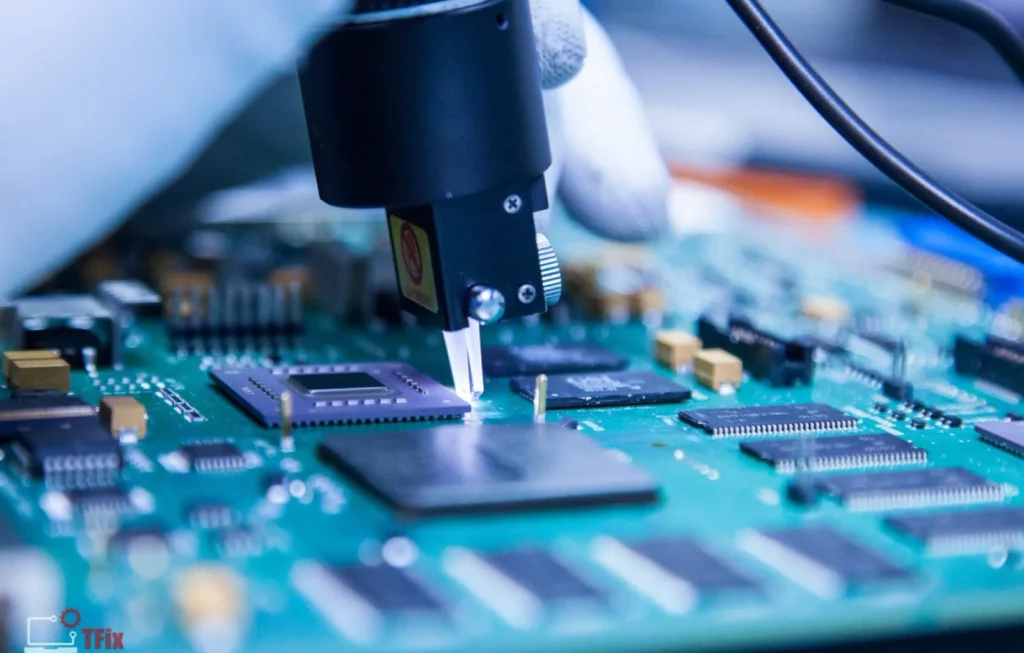
Challenges in Hardware Prototyping for Robotics
While hardware prototyping is a vital step in robotics development, it is not without its challenges. These can range from technical difficulties, such as dealing with complex components, to logistical issues like sourcing materials and managing timelines. Understanding these challenges can help developers better navigate the prototyping process.
For more insights on hardware prototyping, you can visit this descriptive resource.
Conclusion
Hardware prototyping for robotics is an essential process that enables developers and engineers to test and refine their designs before final production. By understanding its importance and the steps involved, one can effectively navigate the challenges and ensure the success of their robotic projects.
Written by: Ethan Carter
Publication Date: 2025-11-11
