

Exploring practical examples of hardware prototyping can provide valuable insights for both professionals and enthusiasts in the field. This article delves into a few such instances, shedding light on the process, challenges, and outcomes of these endeavors.
Before we dive into the specifics, let’s briefly understand what hardware prototyping entails. It is a process where a preliminary model, or a prototype, of a hardware product is built to test its functionality, design, and usability. This process is crucial in the product development cycle as it helps identify potential issues early on and provides an opportunity to rectify them before the final product is manufactured. If you are interested in learning more about the purpose of hardware prototyping, you can find helpful information here.

Exploring Noteworthy Examples
Let’s take a closer look at some real-world instances where hardware prototyping played a pivotal role in product development.
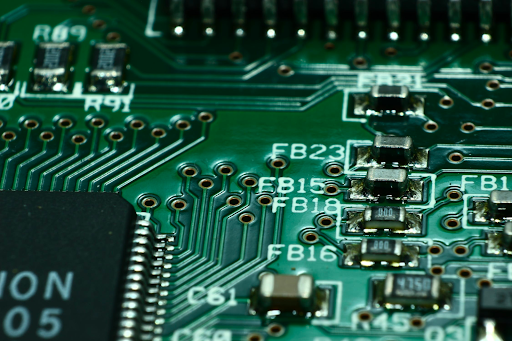
Key Takeaways from These Instances
From these examples, it is clear that hardware prototyping is an indispensable part of product development. It not only helps in validating the design and functionality of the product but also aids in identifying and addressing potential issues early on. This can save a significant amount of time and resources in the long run.

Conclusion
Hardware prototyping is a critical step in the product development cycle, and these real-world examples underscore its importance. By understanding the process and learning from these instances, one can enhance their approach towards hardware prototyping and ultimately, create better products.
For further reading, you may find our article on using cad for hardware design useful.
Written by Ethan Carter
Published on 2025-11-10
