

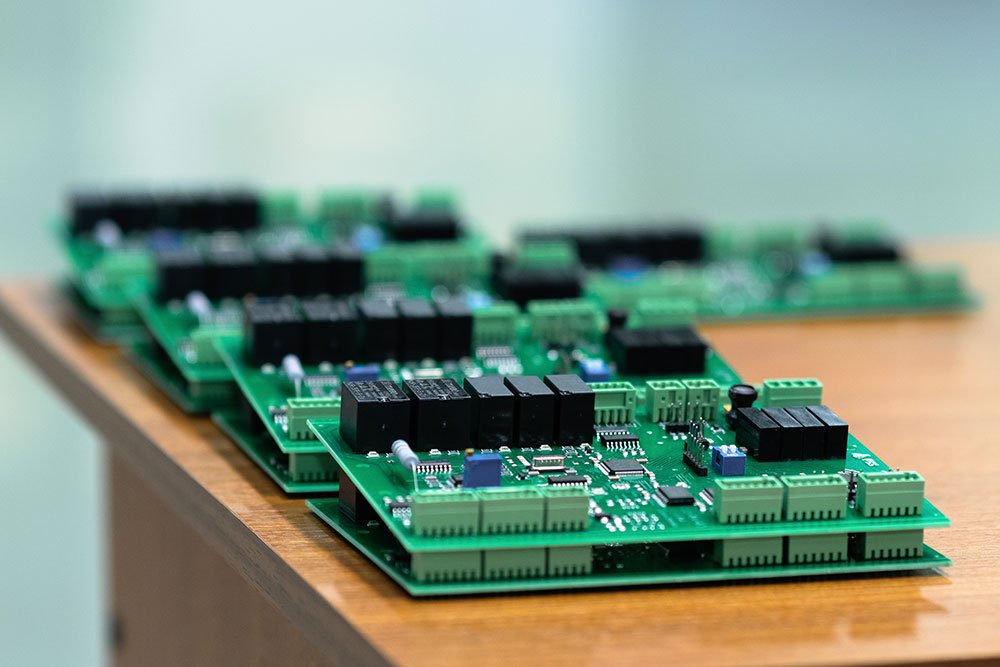
Developing a hardware prototype is a critical step in the product development process. However, the real challenge begins when it’s time to test these prototypes. In this article, we’ll delve into some of the most effective methods used to test hardware prototypes.
Understanding these techniques will not only help you validate your design but also identify any potential issues before they escalate. Let’s get started.
Before we dive into the specifics of hardware prototype testing, it’s worth noting the importance of transitioning from CAD to prototype. This process is crucial in turning digital designs into tangible, testable prototypes.
Functional Testing
Functional testing is one of the most common methods used in hardware prototype testing. This process involves checking if the prototype functions as intended. It’s a critical step in ensuring that your design meets its intended purpose.
Environmental Testing
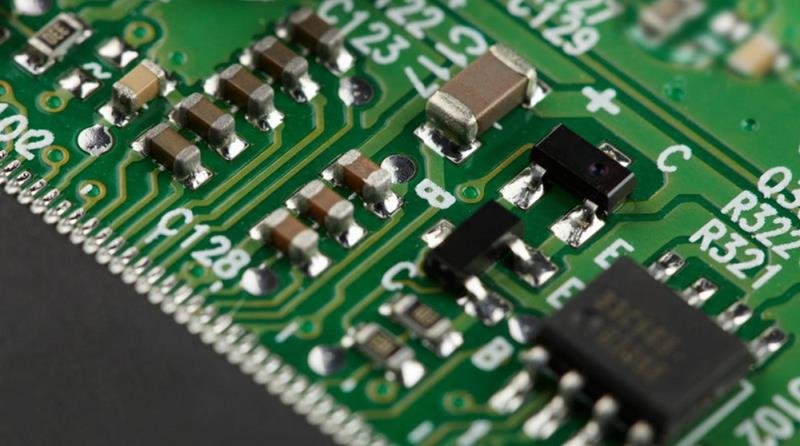
Environmental testing involves exposing the prototype to various environmental conditions to check its durability and reliability. This method helps identify any design flaws that may only become apparent under specific environmental conditions.
Usability Testing
Usability testing is a user-centric testing method. It involves testing the prototype in the hands of the end-users. This method provides valuable insights into how users interact with the product and any potential improvements that could enhance the user experience.
Conclusion
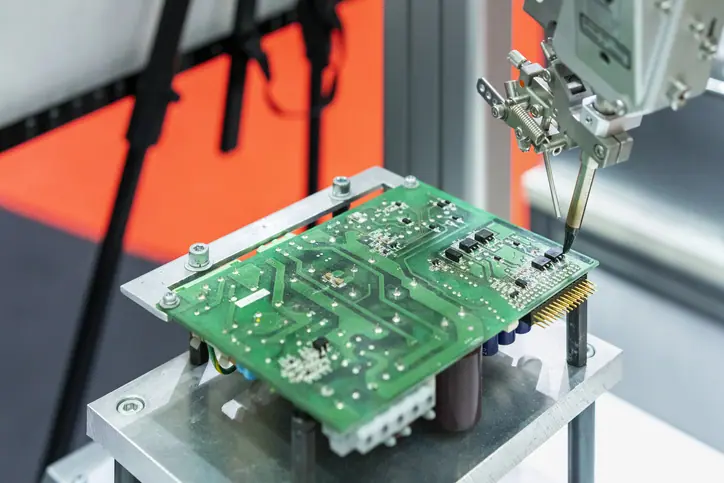
Hardware prototype testing is a complex process, but understanding these methods can make it less daunting. By implementing these techniques, you can ensure that your design is ready for the next stage of development. For more in-depth information on hardware prototypes and their validation, you can check out this comprehensive guide.
Written by Ethan Carter, Published on 2025-10-28
