

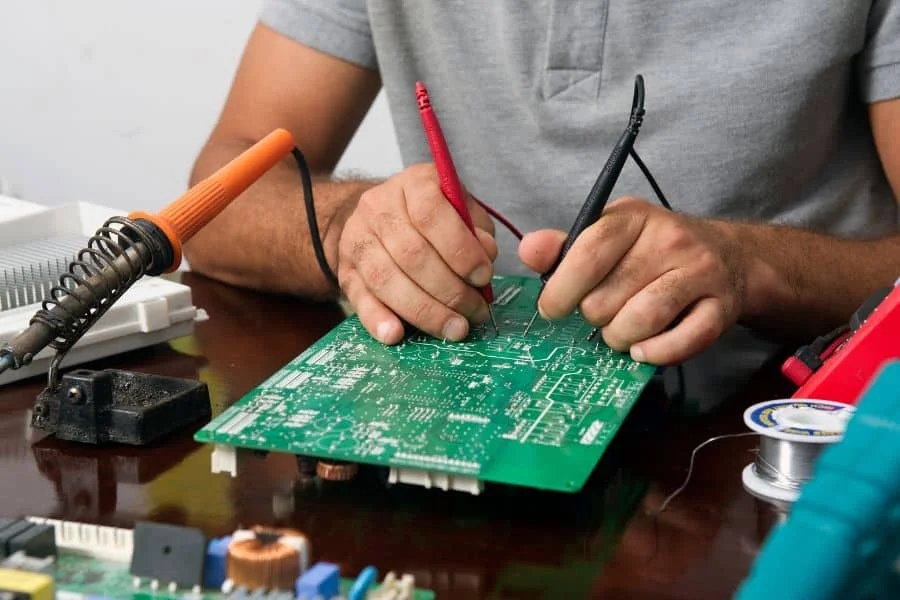
Grasping the concept of the hardware product lifecycle is crucial for any business involved in the production of hardware. This article will delve into the various stages of this lifecycle, from conception to disposal, and provide insights on how to navigate each phase effectively.
Before we delve deeper, you might find it beneficial to read about how to transition from CAD to prototype, which is a critical step in the hardware product lifecycle.
Navigating the Stages of a Hardware Product’s Life
The journey of a hardware product from an idea to a tangible item involves several distinct stages. Each stage requires different strategies and resources, and understanding these can help businesses optimize their processes and maximize their returns.

Importance of Prototyping in the Hardware Lifecycle
Prototyping is a pivotal step in the hardware product lifecycle. It allows businesses to test their designs before moving to mass production, reducing the risk of costly errors and ensuring the final product meets the desired specifications. For more insights on this topic, you can refer to this descriptive guide on rapid prototyping.
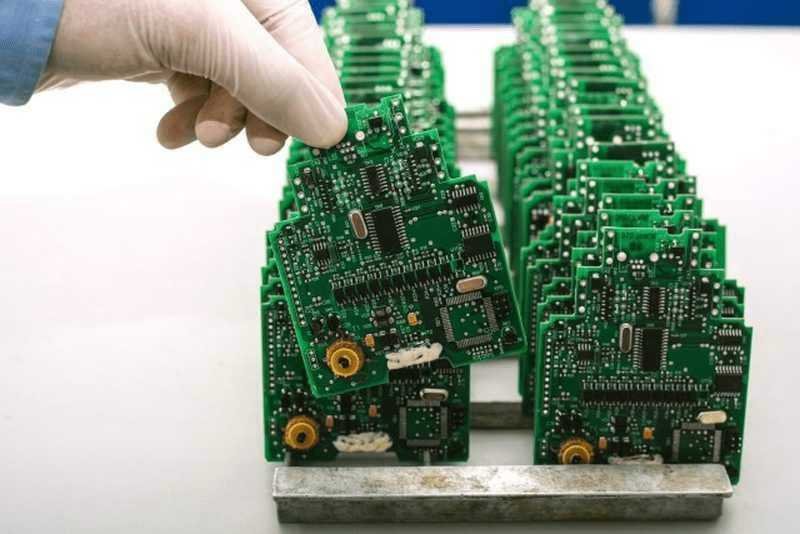
End of Life: The Final Stage of the Hardware Product Lifecycle
The end-of-life stage is often overlooked in discussions about the hardware lifecycle. However, it’s an essential phase that involves discontinuing the product and managing its disposal in an environmentally friendly manner. Businesses need to plan for this stage to minimize waste and comply with regulations.
By understanding each stage of the hardware product lifecycle, businesses can make informed decisions that enhance their efficiency and profitability. It’s a complex process, but with the right knowledge and resources, it’s a journey that can lead to great success.
