

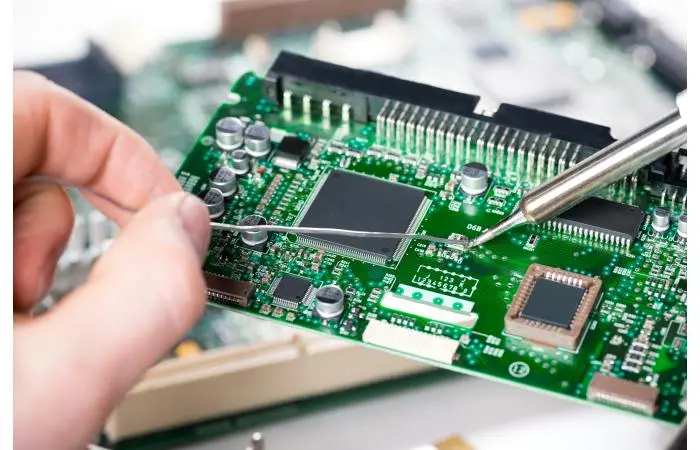
Developing a successful electronic product requires more than just a great idea. It involves a series of technical, creative, and strategic steps to turn a concept into a market-ready device. Businesses and entrepreneurs often turn to specialized firms for electronic product design services to streamline this process, avoid costly mistakes, and ensure regulatory compliance. This article explores the essential stages, benefits, and considerations when seeking professional support for electronic device development.
If you want to understand the benefits of electronic product design services before diving into the process, check out this detailed overview. Knowing the advantages can help you make informed decisions as you plan your next project.
What Are Electronic Product Design Services?
Electronic product design services encompass the full spectrum of activities required to bring an electronic device from initial idea to finished product. These services typically include feasibility studies, schematic and PCB design, firmware and software development, prototyping, testing, regulatory certification, and even support for manufacturing and scaling.
Companies offering these services work with clients to understand their requirements, suggest technical solutions, and manage the design process. The goal is to deliver a product that meets performance, cost, and compliance targets while minimizing development risks.

Key Stages in the Electronic Product Development Process
The journey from concept to market-ready device involves several critical steps. Understanding each phase helps you set realistic expectations and communicate effectively with your chosen design partner.
1. Requirements Gathering and Feasibility Analysis
Every successful project begins with a clear understanding of the product’s intended function, target audience, and technical constraints. During this stage, the design team works with you to define essential features, performance goals, and budget limits. Feasibility studies are often conducted to assess whether the concept can be realized with current technology and within your budget.
2. Schematic and PCB Design
Once requirements are set, engineers create circuit schematics and design the printed circuit board (PCB). This step is crucial for ensuring electrical performance, reliability, and manufacturability. Advanced simulation tools may be used to verify the design before moving to the next stage.
3. Firmware and Software Development
Many modern devices require embedded software or firmware to operate. Developers write and test the code that controls the hardware, manages user interfaces, and communicates with other devices or networks. This phase often runs in parallel with hardware development to streamline the timeline.
4. Prototyping and Testing
Prototypes are built to validate the design and identify any issues before mass production. Testing includes functional checks, stress tests, and compliance verification. Iterative prototyping allows for rapid improvements and ensures the final product meets all requirements.
5. Certification and Regulatory Compliance
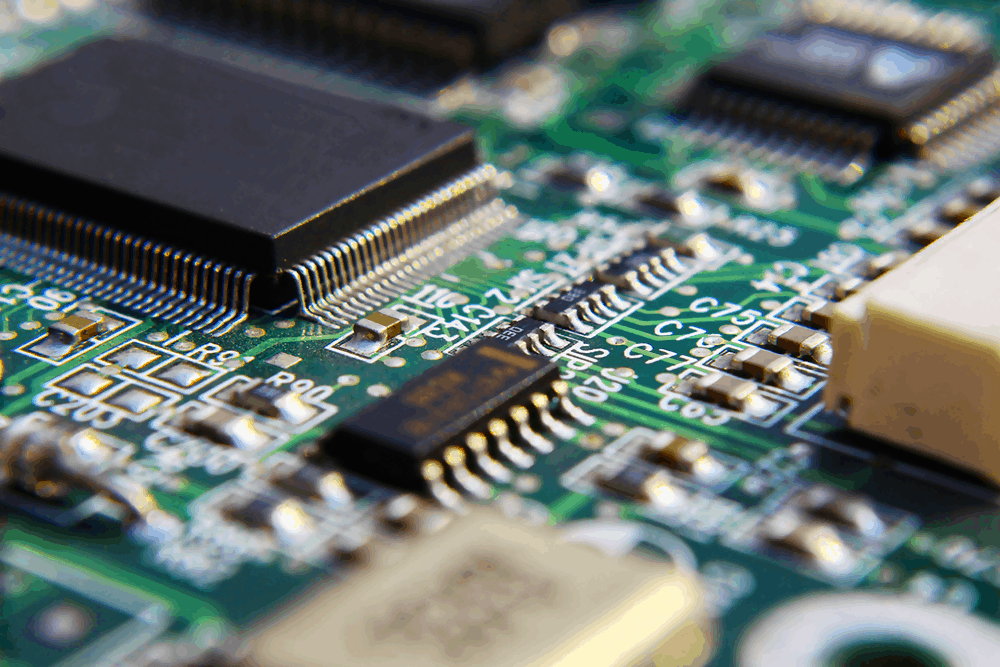
Most electronic products must meet specific safety and electromagnetic compatibility standards. Design firms help navigate the certification process, preparing documentation and coordinating with testing labs to achieve compliance with relevant regulations (such as FCC, CE, or RoHS).
6. Manufacturing Support and Scaling
After a successful prototype and certification, the focus shifts to preparing for mass production. This includes creating manufacturing documentation, sourcing components, and supporting the transition to contract manufacturers. Ongoing support may also be provided to address issues that arise during scaling.
Choosing the Right Partner for Your Project
Selecting a design service provider is a pivotal decision. Consider their track record, technical expertise, and ability to handle projects similar to yours. Ask for references, review portfolios, and discuss their approach to project management and communication.
Cost is another important factor. For a breakdown of typical pricing models and what influences costs, see this comprehensive overview of electronic product design service costs. Understanding the financial aspects can help you budget effectively and avoid surprises.
Advantages of Professional Electronic Design Services
Partnering with experienced professionals offers several benefits:
- Reduced Development Time: Experts streamline the process, helping you reach the market faster.
- Risk Mitigation: Professional teams anticipate and address technical and regulatory challenges early.
- Access to Advanced Tools: Design firms use industry-standard software and testing equipment.
- Scalability: Support for transitioning from prototype to full-scale manufacturing.
- Regulatory Guidance: Assistance with compliance and certification, reducing the risk of costly delays.
Common Challenges and How to Overcome Them
Even with expert support, electronic product development can present obstacles. Some frequent issues include:
- Component Shortages: Global supply chain disruptions can delay projects. Early planning and flexible sourcing strategies are essential.
- Design Iterations: Unexpected technical challenges may require multiple prototype cycles. Building time for iteration into your schedule helps manage expectations.
- Regulatory Hurdles: Navigating certification requirements can be complex. Working with a team experienced in your target markets is critical.
- Cost Overruns: Scope changes and unforeseen technical issues can impact budgets. Clear communication and milestone-based contracts help control costs.
Frequently Asked Questions
What should I prepare before contacting a design service provider?
Prepare a clear outline of your product idea, including intended features, target users, and any specific requirements or constraints. Sharing sketches, competitor products, or technical references can help the design team understand your vision and provide accurate estimates.
How long does it take to develop a new electronic product?
Timelines vary depending on complexity, regulatory requirements, and the number of design iterations needed. Simple devices may take a few months, while more complex products can require a year or more from concept to production.
Can design firms help with manufacturing and scaling?
Yes, most reputable providers offer support beyond design, including preparing manufacturing documentation, sourcing components, and assisting with production ramp-up. This ensures a smoother transition from prototype to mass production.
Conclusion
Navigating the world of electronic product design services can be complex, but working with the right partner makes the process manageable and increases your chances of success. By understanding the stages involved, the value of professional support, and the common challenges, you can approach your next project with confidence and clarity.
