

In today’s rapidly evolving digital landscape, the Internet of Things (IoT) has emerged as a groundbreaking innovation. At the heart of this revolution is Google Cloud IoT Core, a managed service designed to help connect, manage, and ingest data from globally dispersed devices. This article aims to provide a comprehensive understanding of Google Cloud IoT Core, with a focus on exporters and importers who are increasingly leveraging IoT to enhance their operations.
Google Cloud IoT Core serves as a bridge between the physical and digital world, enabling seamless integration of IoT devices. Whether you’re new to the concept or an industry veteran, understanding how this service works can unlock new potentials for your business.
What is Google Cloud IoT Core?
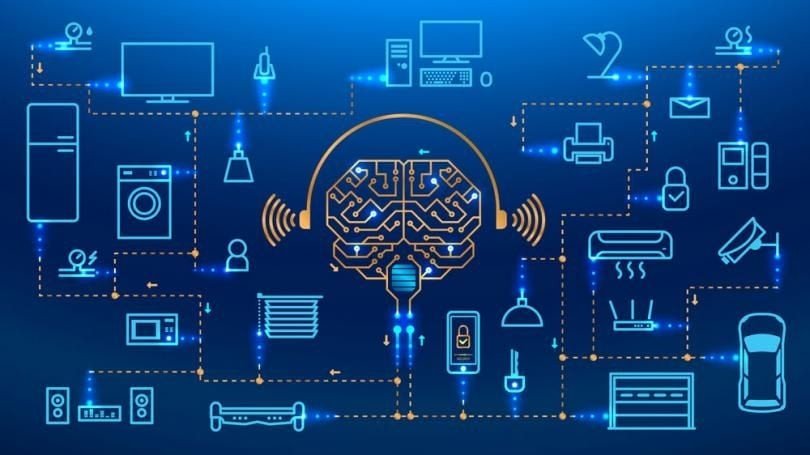
Google Cloud IoT Core is a fully managed service that allows you to easily and securely connect, manage, and ingest data from millions of globally dispersed devices. It facilitates the connection of IoT devices to the Google Cloud Platform (GCP) and helps in processing the data they generate.
Why is Google Cloud IoT Core Important?
As the number of IoT devices continues to grow, managing and analyzing the data they produce becomes increasingly complex. Google Cloud IoT Core addresses this challenge by providing a scalable, reliable, and secure platform where data from these devices can be collected and analyzed. This capability is crucial for businesses looking to leverage IoT for operational efficiency and innovation.
Key Features of Google Cloud IoT Core
- Device Manager: Allows you to register and manage devices with ease.
- Protocol Bridge: Supports both MQTT and HTTP protocols for device connectivity.
- Security: Ensures data is encrypted and transmitted securely.
- Integration with Other GCP Services: Seamlessly integrates with services like BigQuery and Pub/Sub.
Device Manager: A Closer Look
The Device Manager in Google Cloud IoT Core allows you to register and organize your devices using logical groupings. It provides a centralized interface to control and manage device settings, ensuring they are synchronized with the cloud.
Protocol Bridge: Connecting Devices
The Protocol Bridge supports MQTT and HTTP, two widely used communication protocols for IoT devices. This ensures a smooth and efficient connection between your devices and the cloud, regardless of their location.
Security in Google Cloud IoT Core
Security is a paramount concern in IoT deployments. Google Cloud IoT Core employs robust security measures to ensure that your data remains protected. All data is encrypted during transmission and storage, and strict authentication protocols are in place to prevent unauthorized access.
Integration with Other Google Cloud Services
One of the standout features of Google Cloud IoT Core is its seamless integration with other Google Cloud services. This includes tools like BigQuery for data analysis, and Pub/Sub for real-time messaging. Such integrations empower businesses to derive meaningful insights and make informed decisions.
Real-World Applications
For exporters and importers, the ability to track and monitor goods in real-time can revolutionize supply chain management. By integrating IoT devices with Google Cloud IoT Core, businesses can gain real-time visibility into their operations, leading to improved efficiency and reduced costs.
For instance, temperature-sensitive goods can be monitored to ensure they are stored under optimal conditions during transit. This not only preserves product quality but also reduces wastage and ensures compliance with regulatory standards.
Getting Started with Google Cloud IoT Core
To get started with Google Cloud IoT Core, you’ll need a Google Cloud Platform account. Once you have set up your account, you can access the IoT Core service through the GCP Console. From here, you can begin registering devices and configuring them to communicate with the cloud.
For a step-by-step guide on setting up your IoT devices, you can refer to this IoT product development guide.
Challenges and Considerations
While Google Cloud IoT Core offers numerous benefits, there are also challenges to consider. These include the initial cost of device deployment, the complexity of managing large-scale IoT networks, and the need for ongoing security updates. However, with careful planning and expert guidance, these challenges can be effectively managed.
It’s also important to consider the ruggedization of your IoT devices to withstand harsh conditions during transit. For more information on this, you can explore ruggedization techniques.
Future of Google Cloud IoT Core
The future of IoT is incredibly promising, with advancements in technology leading to new possibilities. Google Cloud IoT Core is poised to play a critical role in this evolution, providing a scalable and secure platform for IoT deployments worldwide.
As more businesses embrace IoT, the demand for robust cloud solutions like Google Cloud IoT Core will continue to grow. This will drive further innovation and open up new opportunities for businesses across various industries.
Conclusion
In conclusion, Google Cloud IoT Core is an indispensable tool for businesses looking to harness the power of IoT. Its features, security, and integration capabilities make it a leading choice for managing and analyzing data from connected devices. As exporters and importers look to optimize their operations, embracing IoT and cloud solutions will be key to staying competitive in the global market.
Frequently Asked Questions
What is Google Cloud IoT Core?
Google Cloud IoT Core is a managed service that helps connect, manage, and ingest data from IoT devices to the Google Cloud Platform.
How does Google Cloud IoT Core ensure data security?
It employs robust security measures, including data encryption and strict authentication protocols, to protect data.
Can Google Cloud IoT Core integrate with other services?
Yes, it seamlessly integrates with other Google Cloud services like BigQuery and Pub/Sub for enhanced data analysis and messaging.
