

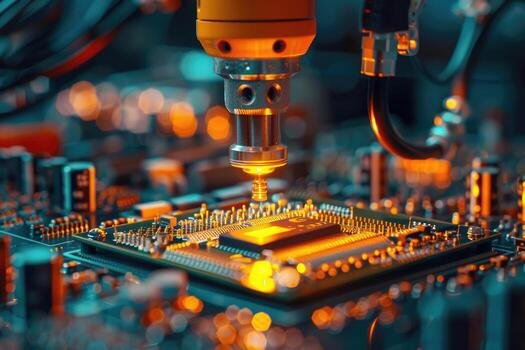
Wire bonding is a crucial process in the manufacturing of electronic components, serving as a primary method for creating electrical interconnections between semiconductors and their packaging. This guide delves into the intricacies of wire bonding, highlighting its significance in the electronics industry.
Understanding the wire bonding process is essential for anyone involved in electronic product design and manufacturing. For those looking to deepen their knowledge of related processes, exploring the electronic prototyping process guide can provide valuable insights.
The Basics of Wire Bonding in Electronics
Wire bonding is a method used to connect a semiconductor device to its packaging through the use of thin wires. These wires are typically made of gold, aluminum, or copper, chosen based on the specific requirements of the application. The process involves using heat, pressure, and ultrasonic energy to create a reliable bond.
Types of Wire Bonding Techniques
There are several techniques used in wire bonding, each with its own advantages and applications:
- Ball Bonding: This technique involves forming a ball at the end of the wire using a flame or electronic discharge. The ball is then bonded to the pad on the semiconductor.
- Wedge Bonding: In wedge bonding, the wire is bonded using a wedge-shaped tool. This method is often used for aluminum wires.
- Stitch Bonding: Also known as chain bonding, this technique is used for connecting multiple points in a single operation.
Applications and Importance of Wire Bonding
Wire bonding is a critical process in the production of various electronic devices, including integrated circuits, microchips, and sensors. Its importance cannot be overstated, as it ensures the functionality and reliability of electronic components.
Challenges in Wire Bonding
Despite its widespread use, wire bonding faces several challenges. These include maintaining bond integrity under thermal and mechanical stress, ensuring compatibility with different materials, and achieving high throughput in manufacturing.
Advancements in Wire Bonding Technology
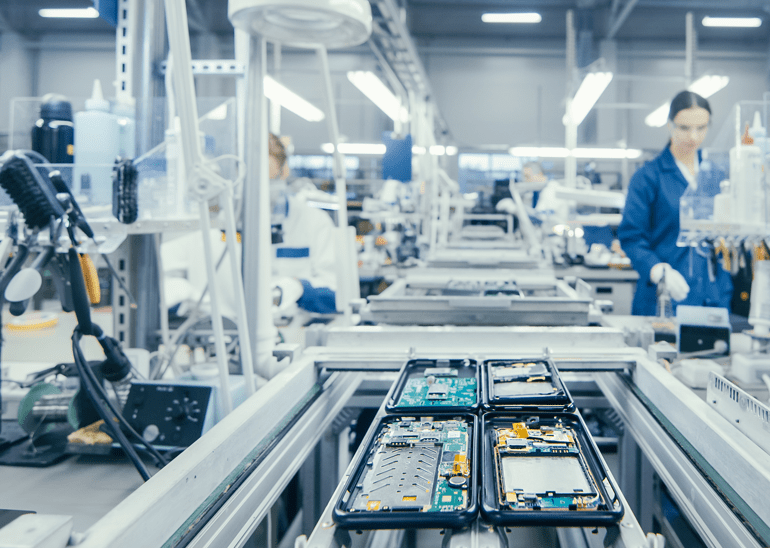
Recent advancements in wire bonding technology have focused on improving bond quality and process efficiency. Innovations such as automated bonding machines and advanced materials have significantly enhanced the capabilities of wire bonding.
Future Trends in Wire Bonding
The future of wire bonding is promising, with ongoing research aimed at further miniaturization and integration of electronic components. As the demand for smaller and more efficient devices grows, wire bonding technology will continue to evolve to meet these needs.
For a broader understanding of testing methods in electronics, consider reading this overview of test methods for electronic components.
Frequently Asked Questions
What is the primary purpose of wire bonding in electronics?
Wire bonding is primarily used to create electrical connections between semiconductor devices and their packaging, ensuring the functionality and reliability of electronic components.
What materials are commonly used in wire bonding?
Gold, aluminum, and copper are the most commonly used materials in wire bonding, chosen based on the specific requirements and conditions of the application.
How has wire bonding technology advanced in recent years?
Recent advancements in wire bonding technology include the development of automated bonding machines and the use of advanced materials, which have improved bond quality and process efficiency.
