

The world of electronics manufacturing is vast and complex, involving a series of intricate processes that transform raw materials into functional electronic devices. Understanding these processes is crucial for anyone involved in the electronics industry, whether you’re a designer, engineer, or business owner. This guide will provide a comprehensive look at the various stages involved in manufacturing electronics, highlighting the key steps and technologies used.
For those interested in the initial stages of product development, exploring the electronic prototyping process guide can provide valuable insights into how prototypes are created before full-scale production begins.

Key Stages in Electronics Manufacturing
The manufacturing of electronic products involves several critical stages, each contributing to the final quality and functionality of the product. These stages include design and prototyping, component sourcing, assembly, testing, and quality control.
Design and Prototyping
The design phase is where ideas take shape. Engineers and designers collaborate to create detailed plans and specifications for the product. Prototyping follows, allowing teams to build and test a preliminary version of the product. This stage is crucial for identifying potential issues and refining the design before moving to mass production.
Component Sourcing
Once the design is finalized, the next step is sourcing the necessary components. This involves selecting reliable suppliers and ensuring that all parts meet the required specifications. Effective component sourcing is vital for maintaining the quality and performance of the final product.
Assembly
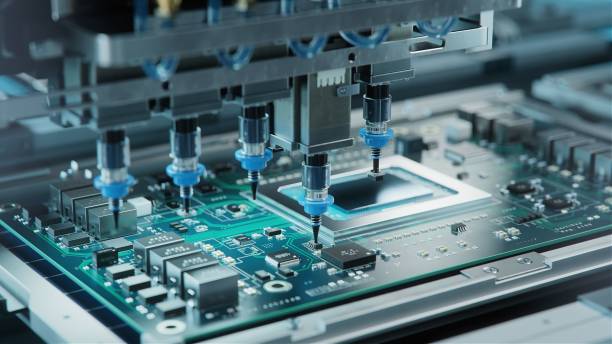
During the assembly stage, components are systematically put together to form the complete product. This process often involves automated machinery, such as pick-and-place machines, which precisely position components on circuit boards.
Testing and Quality Control
Testing is a critical phase in the electronics manufacturing process. Each product undergoes rigorous testing to ensure it functions correctly and meets quality standards. Quality control measures are implemented to detect and rectify any defects, ensuring that only high-quality products reach the market.
Advanced Manufacturing Techniques
Modern electronics manufacturing has evolved with the advent of advanced techniques and technologies. These innovations have improved efficiency, precision, and scalability in production.
Surface Mount Technology (SMT)
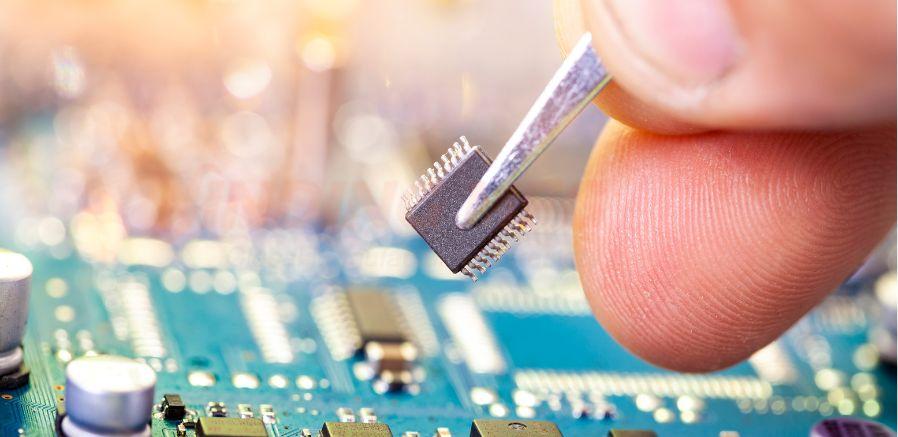
SMT is a method for producing electronic circuits in which components are mounted directly onto the surface of printed circuit boards (PCBs). This technique allows for more compact and efficient designs, reducing the size and weight of electronic devices.
Automation and Robotics
Automation plays a significant role in modern manufacturing, with robots performing tasks that require precision and consistency. This not only speeds up production but also reduces the likelihood of human error.
Challenges in Electronics Manufacturing
Despite technological advancements, the electronics manufacturing industry faces several challenges. These include supply chain disruptions, component shortages, and the need for sustainable practices.
For a deeper understanding of how these challenges are addressed in product design, the electronic product design process steps can offer further insights into strategic planning and execution.
Frequently Asked Questions
What is the importance of prototyping in electronics manufacturing?
Prototyping is essential as it allows manufacturers to test and refine designs before mass production, ensuring that any potential issues are addressed early in the process.
How does automation benefit electronics manufacturing?
Automation enhances efficiency and precision in manufacturing processes, reducing production time and minimizing errors, which leads to higher quality products.
What are the current challenges in electronics manufacturing?
Current challenges include managing supply chain disruptions, addressing component shortages, and implementing sustainable manufacturing practices to reduce environmental impact.
For more detailed tutorials on electronics, consider visiting this comprehensive electronics tutorial site.
