

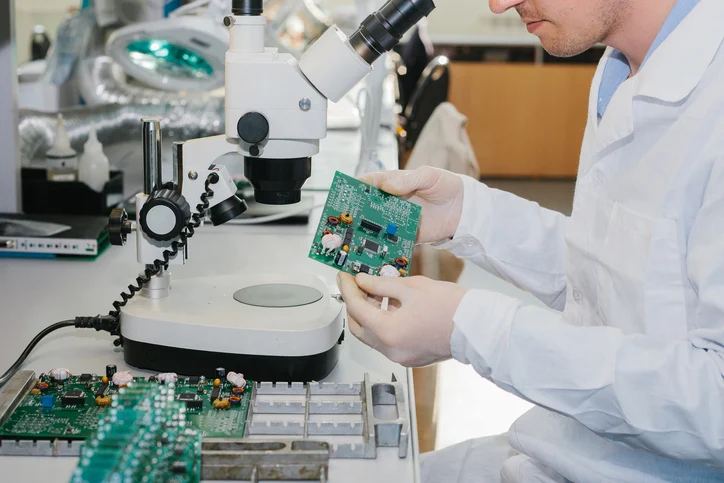
As electronic devices become more compact and powerful, managing the heat they generate is critical for ensuring reliability and performance. Without effective thermal management, components can overheat, leading to reduced lifespan, malfunction, or even catastrophic failure. Understanding the various electronics heat dissipation methods is essential for engineers, designers, and anyone involved in electronics manufacturing or maintenance.
This guide explores the main strategies and technologies used to control temperature in electronic assemblies. Whether you are designing a printed circuit board (PCB), assembling consumer gadgets, or maintaining industrial equipment, knowing how to keep heat in check is fundamental. For further insight into related manufacturing processes, you might also find our resource on what are test points useful.
Why Thermal Management Matters in Electronics
Every electronic component produces heat as a byproduct of operation. If this heat is not efficiently removed, it can accumulate and cause temperatures to rise above safe limits. Excessive heat can degrade materials, alter electrical properties, and accelerate failure mechanisms such as electromigration and solder joint fatigue.
Effective thermal management ensures that devices operate within their specified temperature range, which is vital for safety, performance, and compliance with industry standards. It also helps prevent unexpected shutdowns and extends the service life of both consumer and industrial electronics.
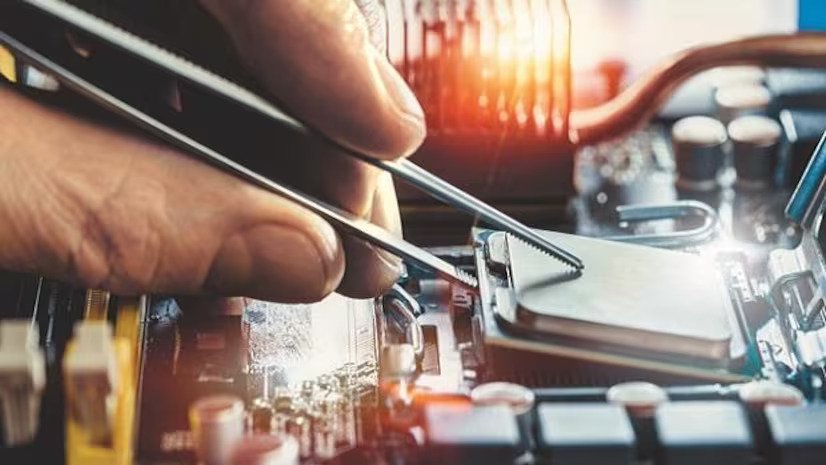
Passive Heat Dissipation Techniques
Passive approaches rely on natural physical processes, such as conduction, convection, and radiation, to transfer heat away from components. These methods are often the first line of defense in managing device temperature.
Heatsinks and Thermal Spreaders
Heatsinks are metal structures, typically made from aluminum or copper, that attach to heat-generating components. Their large surface area allows heat to dissipate more efficiently into the surrounding air. Thermal spreaders, often thin plates, help distribute heat evenly across a larger area, reducing hot spots.
PCB Design for Improved Heat Flow
The printed circuit board itself can be engineered to assist with heat removal. Techniques include using thicker copper layers, adding thermal vias, and optimizing component placement. For a deeper understanding of related PCB fabrication techniques, see our article on the copper plating process explained.
Thermal Interface Materials (TIMs)
Gaps between components and heatsinks can trap air, which is a poor conductor of heat. Thermal interface materials such as thermal pads, pastes, or adhesives fill these gaps, improving the efficiency of heat transfer.
Active Cooling Solutions for Electronics
When passive methods are insufficient, active cooling comes into play. These techniques use external energy to enhance heat removal, making them suitable for high-power or densely packed devices.
Fans and Blowers
Forced air cooling is one of the most common electronics heat dissipation methods in computers, servers, and industrial equipment. Fans and blowers increase airflow over components and heatsinks, accelerating convective heat transfer.
Liquid Cooling Systems
For applications with extreme thermal demands, liquid cooling offers superior performance. Coolant circulates through tubes or cold plates, absorbing heat and transporting it to a radiator where it is released into the air. This approach is popular in high-performance computing and power electronics.
Thermoelectric Coolers
Thermoelectric devices, also known as Peltier coolers, use electrical energy to transfer heat from one side of a module to the other. While less common due to efficiency constraints, they are valuable in situations requiring precise temperature control.

Material Choices and Component Selection
The choice of materials plays a significant role in thermal management. Metals with high thermal conductivity, such as copper and aluminum, are preferred for heatsinks and spreaders. In addition, selecting components with lower power consumption or higher thermal tolerance can reduce the need for aggressive cooling.
Advanced packaging techniques, such as chip-on-board (COB) and system-in-package (SiP), can also influence how heat is distributed and managed within a device.
Design Considerations for Efficient Heat Removal
Integrating electronics heat dissipation methods into the design phase is far more effective than retrofitting solutions after problems arise. Key considerations include:
- Placing high-power components away from each other to prevent local hot spots
- Ensuring adequate airflow paths within enclosures
- Using simulation tools to predict temperature profiles
- Allowing for future upgrades or maintenance of cooling systems
For more on how manufacturing and inspection processes impact thermal performance, see our guide on electronics inspection methods.
Testing and Validation of Thermal Solutions
After implementing a cooling strategy, it is crucial to test and validate its effectiveness. This involves monitoring temperatures under various operating conditions and ensuring compliance with relevant standards. For a comprehensive overview of testing protocols, visit this resource on electronic component testing standards and advanced techniques.
Regular monitoring and maintenance are also important, as dust buildup or component aging can degrade cooling performance over time.
Frequently Asked Questions
What are the most common passive cooling techniques in electronics?
The most widely used passive methods include heatsinks, thermal spreaders, and optimized PCB design. These approaches leverage natural conduction and convection to move heat away from sensitive components without requiring additional power.
When should active cooling be considered for electronic devices?
Active cooling, such as fans or liquid cooling, is typically necessary when passive methods cannot keep device temperatures within safe limits. This is common in high-power applications, densely packed assemblies, or environments with limited natural airflow.
How can PCB design help with heat dissipation?
PCB designers can enhance heat removal by using thicker copper layers, adding thermal vias, and strategically placing components to maximize airflow and minimize hot spots. These design choices are especially important in compact or high-density boards.
Are there industry standards for thermal management in electronics?
Yes, several industry standards govern thermal management, including IPC and JEDEC guidelines. These standards specify acceptable temperature ranges, testing methods, and best practices for ensuring device safety and reliability.
