

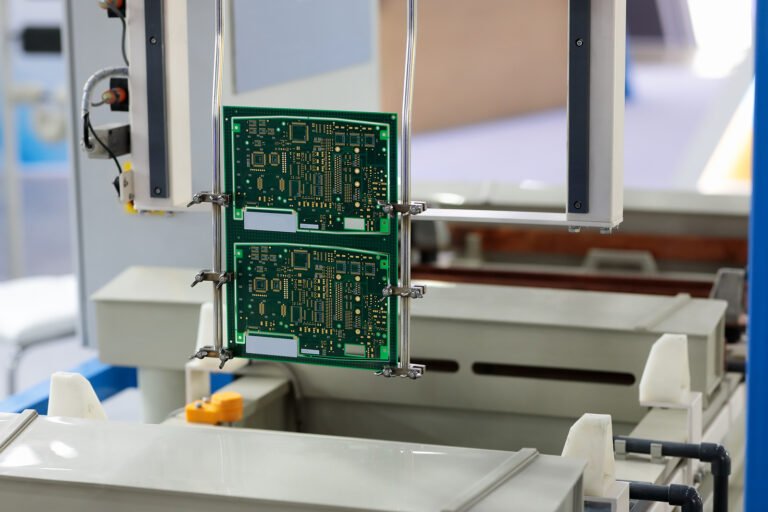
Achieving scalability in electronic product design is essential for businesses aiming to transition from prototypes to mass production efficiently. As technology evolves and markets demand rapid adaptation, engineers and product managers must ensure that their designs can handle increased production volumes, evolving requirements, and future upgrades without major rework. This guide explores the core principles, best practices, and actionable strategies for building scalable electronic products, helping you avoid common pitfalls and streamline your path from concept to market.
Whether you are developing a new device or refining an existing one, understanding the nuances of scalable design will save time, reduce costs, and minimize risks. For a deeper dive into the foundational steps of bringing a concept to life, consider reviewing our electronic prototyping process guide for a practical overview of early-stage development.
Understanding Scalability in Electronic Design
Scalability in this context refers to the ability of an electronic product to adapt to increased demand, expanded features, or new markets without requiring a complete redesign. This means the initial design choices must anticipate future changes, manufacturing scale, and integration with other systems.
Key aspects of scalable design include:
- Modular architecture that allows for easy upgrades and customization.
- Component selection that supports both low and high-volume production.
- Design for manufacturability (DFM) and testability (DFT) to streamline production and quality control.
- Flexible firmware and software interfaces for future feature additions.
Core Principles for Scalable Electronic Product Development
To ensure your device can grow with your business, it’s important to follow certain principles from the outset. These guidelines lay the foundation for a robust, adaptable product.
Modular Design and Architecture
Breaking down your product into discrete, interchangeable modules allows for easier upgrades, maintenance, and customization. For example, separating power management, communication, and sensor modules means you can swap or upgrade individual parts as technology advances or customer needs change.
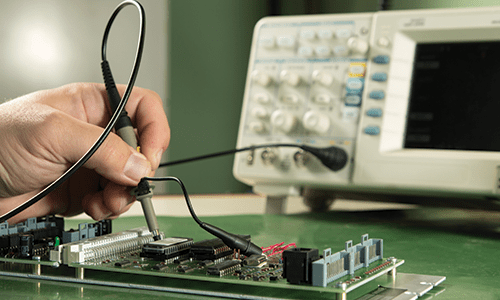
Component Selection for Volume Flexibility
Choosing components that are widely available and have multiple sourcing options is crucial. Avoiding highly specialized or obsolete parts reduces the risk of supply chain disruptions as production scales. Additionally, select components that offer scalability in terms of memory, processing power, or connectivity, so your product line can expand without major redesigns.
Design for Manufacturability and Testability
A scalable design is one that can be manufactured and tested efficiently at any volume. This involves:
- Minimizing the number of unique parts to simplify assembly.
- Ensuring that test points are accessible for automated testing.
- Documenting processes thoroughly for seamless handoff to manufacturing partners.
For more detailed steps on the overall process, our electronic product design process steps resource outlines each stage from concept to production.
Strategies for Scaling from Prototype to Production
Moving from a working prototype to full-scale production presents unique challenges. Addressing these early ensures a smoother transition and reduces costly delays.
Prototyping with Scalability in Mind
During the prototyping phase, use development boards and modular components that mimic the final product’s architecture. This approach allows you to test different configurations and validate design choices before committing to custom hardware.
It’s also helpful to document all design decisions and keep firmware modular, so changes can be implemented quickly as requirements evolve.
Partnering with Scalable Manufacturing Services
Selecting manufacturing partners who can support both small and large production runs is vital. Look for partners with experience in scaling electronic products, robust quality control systems, and the ability to adapt to design changes as your product matures.
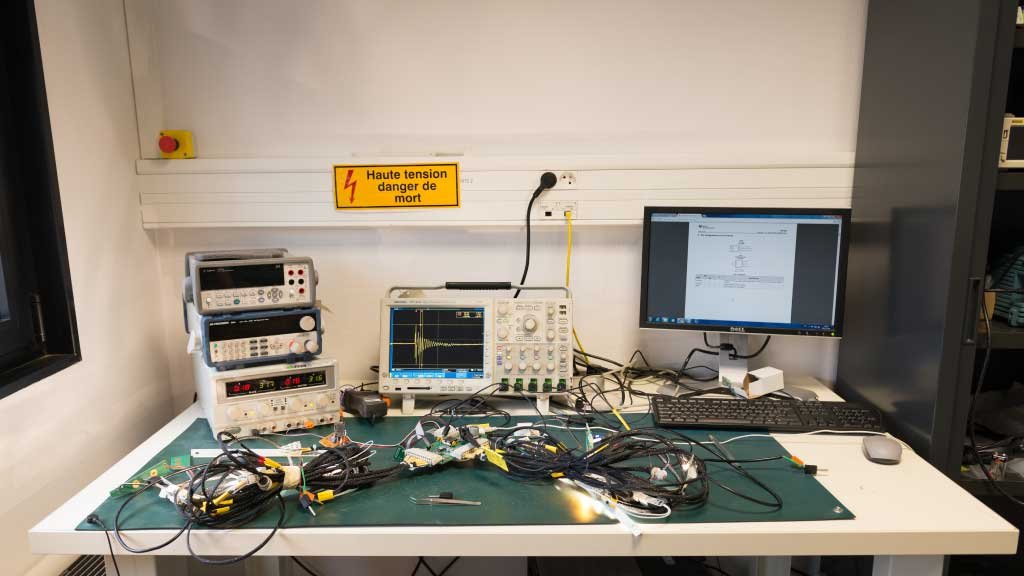
Testing and Quality Assurance at Scale
As production volumes increase, automated testing and quality assurance become even more important. Design your product with built-in test points and consider using boundary scan or other automated test methods to ensure consistent quality across large batches.
Best Practices for Long-Term Scalability
Building a product that stands the test of time requires more than just technical know-how. Consider these best practices to future-proof your design:
- Plan for firmware updates and remote diagnostics to address bugs or add features post-deployment.
- Maintain thorough documentation for all hardware and software components.
- Monitor component lifecycles and plan for end-of-life replacements well in advance.
- Engage with your user base to gather feedback and anticipate future needs.
For a comprehensive overview of the development and manufacturing journey, the electronic product design and development process article provides further insights into industry best practices.
Integrating Scalability into Embedded Systems
Many modern devices rely on embedded systems, which require special attention to scalability. Modular firmware, upgradable microcontrollers, and standardized communication protocols are all essential for embedded products that need to adapt over time.
If you’re interested in learning more about embedded solutions, our embedded systems product design services explained article covers the unique challenges and opportunities in this area.
Frequently Asked Questions
What is the most important factor in designing scalable electronic products?
The most critical factor is adopting a modular architecture, which allows for easy upgrades, maintenance, and adaptation to new requirements. This approach reduces redesign costs and streamlines the process of scaling production.
How can I ensure my design is ready for mass production?
Focus on design for manufacturability and testability from the beginning. Use widely available components, minimize unique parts, and ensure your documentation is clear. Partnering with experienced manufacturers who can handle both small and large runs is also essential.
Why is component selection important for scalability?
Choosing components with multiple sourcing options and long lifecycles prevents supply chain issues and facilitates future upgrades. This flexibility ensures your product can adapt to changes in demand and technology without major redesigns.
Conclusion
Building scalable electronic products requires careful planning, smart design choices, and a proactive approach to manufacturing and testing. By focusing on modularity, flexible component selection, and robust documentation, you can create devices that adapt to changing needs and support business growth. For additional insights into the advantages of professional support, see our guide on the benefits of electronic product design services.
