

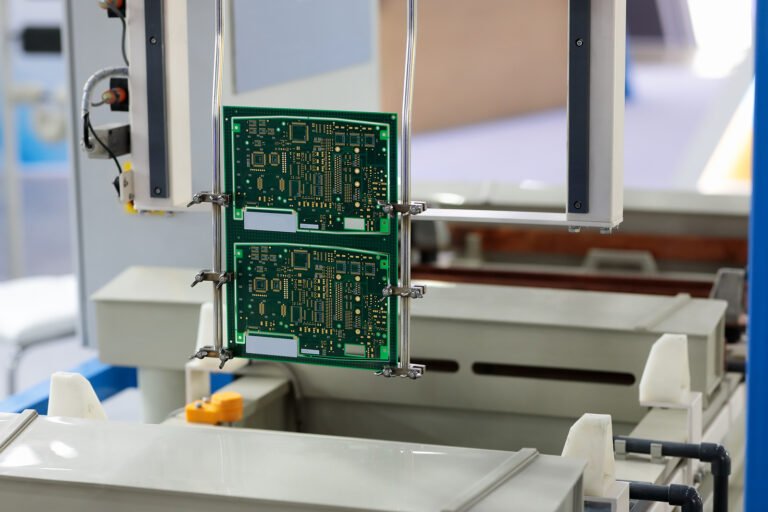
Developing a successful electronic device requires a structured approach that balances creativity, technical rigor, and market needs. Understanding the electronic product design methodology is essential for engineers, entrepreneurs, and businesses aiming to bring innovative products to market efficiently and reliably. This guide breaks down the essential phases, best practices, and key considerations involved in designing modern electronics, from initial concept to final production.
For a deeper look at the practical steps involved, you may also find value in the electronic product design process steps article, which outlines the sequential actions taken during development.
Understanding the Basics of Electronic Product Development
At its core, the process of designing electronic products involves a series of interconnected stages. Each phase ensures that the final device meets user requirements, complies with regulatory standards, and is manufacturable at scale. The methodology typically includes concept development, feasibility analysis, detailed design, prototyping, testing, and preparation for production.
The methodology for electronic product design is not a linear path. Instead, it often involves iterative cycles of refinement, where feedback from each stage informs improvements to earlier steps. This approach helps teams identify potential issues early, reducing costly changes later in the project.
Key Phases in the Electronic Product Design Methodology
1. Requirements Gathering and Conceptualization
The journey begins with defining the product’s purpose, target audience, and core features. Stakeholders collaborate to create a clear set of requirements, covering both functional and non-functional aspects. This step may involve market research, competitor analysis, and brainstorming sessions to generate innovative ideas.
2. Feasibility Study and Planning
Before moving forward, teams assess the technical and economic viability of the proposed concept. This includes evaluating available technologies, estimating costs, and identifying potential risks. A well-structured feasibility study helps prevent wasted resources on unworkable ideas.
3. Detailed Design and Engineering
Once feasibility is confirmed, engineers develop detailed schematics, PCB layouts, and firmware or software architectures. This phase often leverages computer-aided design (CAD) tools and simulation software to optimize circuit performance and ensure compliance with safety standards.
4. Prototyping and Iterative Refinement
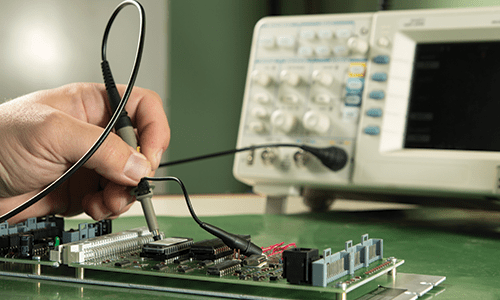
Creating physical or virtual prototypes allows teams to validate design assumptions and test functionality. Feedback from prototype testing is used to refine the design, address shortcomings, and enhance usability. Iterative prototyping is a hallmark of effective electronic product design methodology, enabling continuous improvement.
5. Testing, Validation, and Compliance
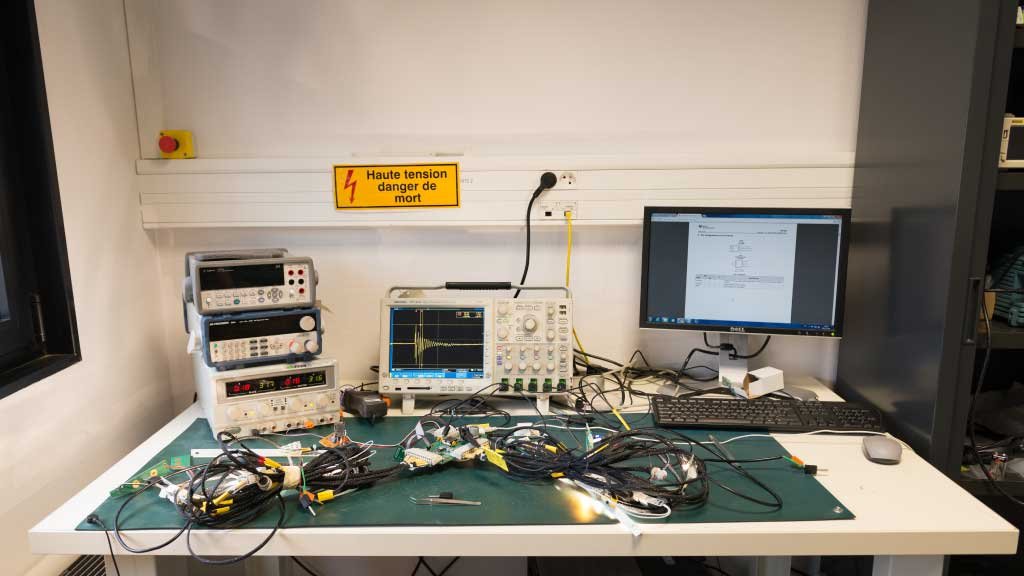
Rigorous testing is vital to ensure the product meets performance, reliability, and regulatory requirements. This includes functional tests, environmental stress tests, and safety certifications. Validation ensures that the device operates as intended in real-world conditions, while compliance checks guarantee adherence to industry standards.
6. Preparing for Manufacturing and Launch
The final phase involves optimizing the design for mass production, selecting suppliers, and establishing quality control processes. Documentation is prepared for assembly, testing, and support. A smooth transition to manufacturing is critical to delivering products on time and within budget.
Best Practices for Efficient Electronic Design Projects
Adopting proven strategies can significantly enhance the efficiency and success rate of electronic development projects. Here are some best practices to consider:
- Cross-functional collaboration: Involve experts from hardware, software, manufacturing, and marketing early in the process.
- Iterative development: Use rapid prototyping and feedback loops to catch issues early and adapt to changing requirements.
- Design for manufacturability (DFM): Ensure that the design can be produced reliably and cost-effectively at scale.
- Comprehensive documentation: Maintain clear records of requirements, design decisions, and test results for future reference and troubleshooting.
- Risk management: Identify and mitigate potential risks throughout the project lifecycle.
For a detailed overview of how these practices are applied in real-world projects, the article on modern electronic product design and development provides valuable insights.
Common Challenges and How to Overcome Them
Even with a solid methodology, electronic product development can encounter obstacles. Some typical challenges include:
- Changing requirements: Market or stakeholder needs may evolve, requiring design adjustments mid-project.
- Component shortages: Supply chain disruptions can delay prototyping or production.
- Regulatory hurdles: Navigating complex certification processes can be time-consuming.
- Integration issues: Ensuring hardware and software components work seamlessly together is often complex.
Addressing these issues requires flexibility, proactive communication, and a willingness to iterate. Leveraging the electronic product design methodology as a framework helps teams stay organized and responsive to change.
Integrating Services and Support for Success
Many organizations choose to work with specialized partners to access advanced engineering resources, manufacturing expertise, or regulatory guidance. Understanding the range of electronic product design services available can help streamline development and reduce time to market.
Additionally, businesses can benefit from learning about the benefits of electronic product design services, such as improved quality, reduced risk, and access to cutting-edge technology.
Frequently Asked Questions
What is the main goal of an electronic product design methodology?
The primary objective is to provide a structured, repeatable approach for developing reliable, functional, and market-ready electronic devices. This methodology helps teams manage complexity, reduce risks, and ensure that products meet both user needs and regulatory standards.
How does prototyping fit into the design process?
Prototyping allows teams to test and validate their concepts before committing to full-scale production. It is an essential step for identifying design flaws, gathering user feedback, and refining features. Iterative prototyping is a key aspect of most modern design methodologies.
Why is compliance important in electronic product development?
Compliance ensures that products adhere to relevant safety, environmental, and performance standards. Meeting these requirements is crucial for legal market entry, user safety, and avoiding costly recalls or redesigns.
Conclusion
Mastering the structured approach to developing electronic devices is crucial for delivering innovative, high-quality products in today’s competitive market. By following a proven methodology, embracing best practices, and leveraging expert support, teams can navigate the complexities of design and bring their ideas to life with confidence.
