

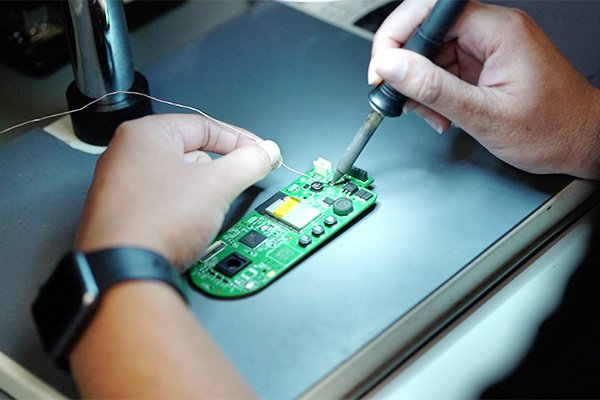
Developing a successful electronic device involves a series of carefully planned steps, from the initial concept to the final product launch and beyond. Understanding the electronic product design lifecycle stages is essential for engineers, entrepreneurs, and businesses aiming to bring reliable, innovative products to market. Each phase in this journey plays a critical role in shaping the performance, manufacturability, and long-term success of the device.
Whether you are new to the field or looking to refine your process, this article explains the main phases, their objectives, and practical considerations. For a deeper look at the benefits of electronic product design services, you can explore additional resources on our site.
Overview of the Product Development Journey
The path from idea to finished electronic product is rarely linear. It typically involves several iterative steps, each with its own set of goals and deliverables. Recognizing these lifecycle stages helps teams manage risk, control costs, and ensure the final device meets user needs and regulatory standards.
While the exact sequence may vary depending on the project, most electronic product development processes follow a similar structure:
- Idea generation and feasibility analysis
- Requirements definition
- Conceptual and detailed design
- Prototyping and validation
- Design for manufacturing and testing
- Pilot production and certification
- Full-scale manufacturing and product launch
- Post-launch support and lifecycle management
Initial Concept and Feasibility Analysis
Every successful device begins with a clear idea and a thorough assessment of its technical and commercial viability. During this stage, teams evaluate the market need, define the core functionality, and identify potential challenges.
Key activities include:
- Market research and competitor analysis
- Preliminary cost estimation
- Technical risk assessment
- Initial sketches or block diagrams
This phase helps determine if the project should proceed and lays the foundation for subsequent electronic product design lifecycle stages.
Defining Requirements and Specifications
Once feasibility is confirmed, the next step is to translate the concept into detailed requirements. This includes both functional and non-functional specifications, such as performance targets, safety standards, and environmental considerations.
Clear documentation at this stage minimizes misunderstandings and guides the design team through the rest of the process. It also serves as a reference point for testing and validation later on.
Design and Engineering: From Concept to Schematics
The design phase is where ideas take shape. Engineers create circuit diagrams, select components, and develop the system architecture. Mechanical design, enclosure modeling, and user interface planning also occur during this period.
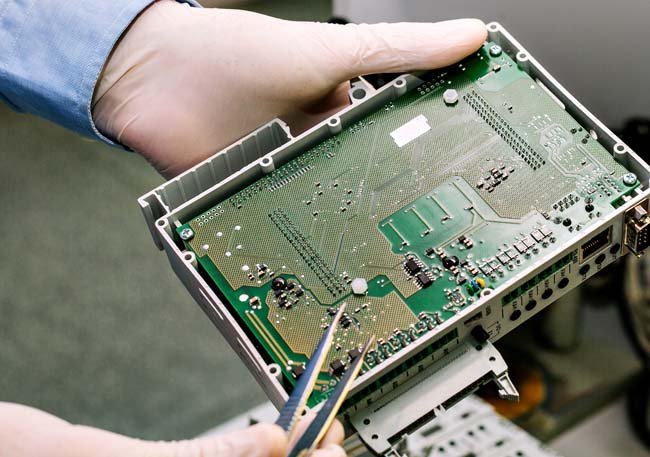
Modern design tools enable simulation and early validation of critical functions. Collaboration between electrical, mechanical, and firmware engineers ensures that all aspects of the device are considered. For more on how design and engineering services can streamline this phase, see this comprehensive overview of design and engineering best practices.
Prototyping and Validation in the Lifecycle
Building prototypes is a pivotal step in the electronic product design lifecycle stages. Early models allow teams to test functionality, identify design flaws, and gather user feedback before committing to large-scale production.
There are typically several rounds of prototyping:
- Proof-of-concept prototypes – Demonstrate core functionality
- Alpha prototypes – Integrate all major features, often with non-final materials
- Beta prototypes – Closely resemble the final product, used for user testing and regulatory pre-certification
Testing during this phase covers electrical performance, mechanical fit, thermal management, and user experience. Iterative improvements are common, as issues are identified and resolved.
Preparing for Manufacturing and Compliance
After validation, the focus shifts to optimizing the design for mass production. This includes selecting cost-effective components, refining the PCB layout, and ensuring the design meets all relevant regulatory requirements (such as FCC, CE, or UL certifications).

Design for manufacturability (DFM) and design for testability (DFT) are crucial considerations. These practices help minimize production costs, reduce defects, and simplify quality control. Working closely with manufacturing partners at this stage can prevent costly delays and ensure a smooth transition to production.
Pilot Runs, Certification, and Launch
Before full-scale manufacturing, a pilot run is conducted to validate the production process and catch any last-minute issues. This is also when regulatory testing and product certification are finalized.
Key activities include:
- Small-batch production for process validation
- Final compliance testing and documentation
- Packaging design and logistics planning
- Preparation for product launch and distribution
Once all checks are complete, the product is ready for market introduction. Ongoing monitoring during the initial launch phase can help identify any unforeseen issues and guide future improvements.
Post-Launch Support and Lifecycle Management
The journey does not end at launch. Ongoing support, firmware updates, and end-of-life planning are all part of a comprehensive approach to managing electronic devices. Gathering user feedback and monitoring field performance can inform future product iterations or new models.
Effective lifecycle management ensures customer satisfaction, regulatory compliance, and long-term profitability.
Common Challenges in Electronic Product Development
Navigating the various electronic product design lifecycle stages can present several challenges:
- Balancing cost, performance, and time-to-market
- Managing supply chain risks and component obsolescence
- Ensuring regulatory compliance across different markets
- Coordinating multidisciplinary teams and external partners
- Maintaining quality through design changes and updates
Addressing these challenges requires careful planning, clear communication, and a willingness to adapt as new information emerges.
FAQ: Electronic Product Design and Development
What is the most critical stage in developing an electronic device?
Each phase is important, but the requirements definition and prototyping stages are often the most critical. Clearly defined requirements set the direction for the project, while thorough prototyping helps identify and resolve issues before mass production.
How long does a typical product development cycle take?
The timeline varies widely based on complexity, regulatory requirements, and team experience. Simple devices may be developed in a few months, while complex or highly regulated products can take a year or more from concept to launch.
Why is design for manufacturability (DFM) important?
DFM ensures that a product can be produced efficiently, cost-effectively, and with consistent quality. Considering manufacturing constraints early in the design process reduces the risk of costly redesigns and production delays.
Where can I learn more about optimizing the design process?
For further reading on improving your approach and understanding the benefits of electronic product design services, visit our detailed guide.
