

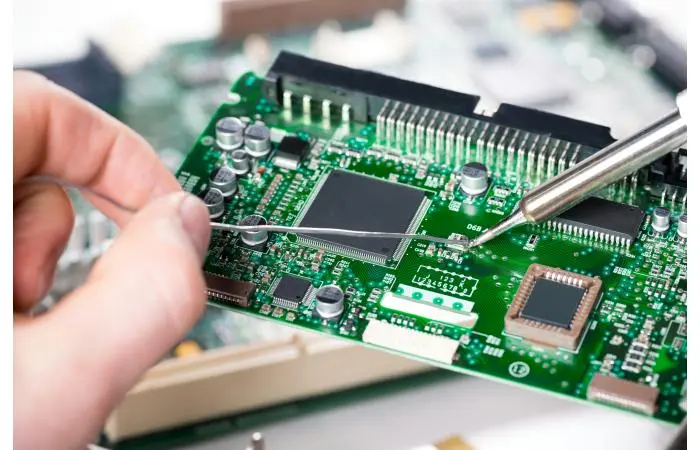
Developing successful electronic products requires a structured and repeatable approach. The electronic product design iteration process is at the heart of creating reliable, cost-effective, and user-friendly devices. This guide explains how iterative cycles help teams refine concepts, address technical challenges, and ensure products meet both market and regulatory requirements.
Whether you are a startup, an established manufacturer, or an engineer looking to improve your workflow, understanding the iterative nature of electronic design can significantly increase your chances of launching a successful product. For a detailed overview of the entire journey from idea to prototype, you may also find the electronic prototyping process guide helpful.
Understanding Iterative Development in Electronics
Iterative development is a cyclical process where a product is designed, tested, evaluated, and improved through multiple rounds. Unlike linear or “waterfall” methods, this approach embraces feedback and change, allowing teams to adapt to new information or shifting requirements. In the context of electronics, this means that every stage—from initial concept to final production—can benefit from continuous refinement.
The electronic product design iteration process typically involves several loops of prototyping, testing, and redesign. This not only helps catch design flaws early but also ensures that the final product aligns with user expectations and industry standards.
Key Phases of the Electronic Design Iteration Cycle
Each cycle in the iterative process builds on the previous one, gradually improving the design. Here are the main phases involved:
- Requirement Analysis: Define the product’s purpose, target audience, and technical specifications. This phase sets the foundation for all subsequent work.
- Conceptual Design: Generate initial sketches, block diagrams, and system architectures. At this stage, teams explore different approaches and select the most promising ideas.
- Prototyping: Develop functional prototypes using breadboards, development kits, or rapid PCB fabrication. Prototypes allow for hands-on evaluation and early detection of issues.
- Testing and Evaluation: Subject prototypes to electrical, mechanical, and environmental tests. Gather data on performance, reliability, and compliance with standards.
- Redesign and Optimization: Based on test results and stakeholder feedback, make necessary changes to the design. This may involve tweaking circuit layouts, firmware, or mechanical enclosures.
- Documentation and Review: Update design files, schematics, and test reports. Conduct design reviews to ensure all changes are tracked and justified.
- Repeat as Needed: The process loops back to prototyping and testing until the product meets all requirements.
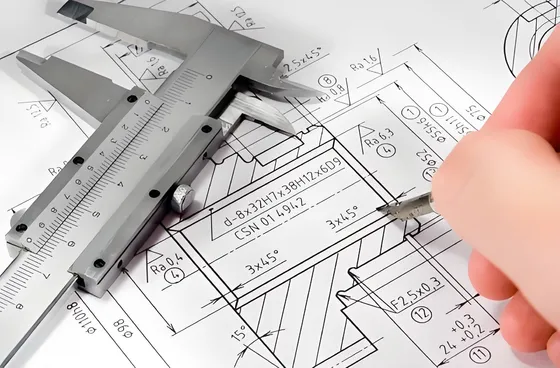
Benefits of an Iterative Approach in Electronic Product Development
Embracing an iterative workflow offers several advantages over traditional linear methods:
- Early Problem Detection: Frequent testing uncovers design flaws before they become costly to fix.
- Improved Product Quality: Multiple cycles of feedback and refinement lead to more robust and reliable products.
- Faster Time to Market: By addressing issues early and adapting quickly, teams can avoid major delays later in the project.
- Cost Efficiency: Iterative development helps prevent expensive rework during manufacturing.
- Enhanced Collaboration: Regular reviews and feedback sessions keep all stakeholders aligned and informed.
For a deeper dive into the overall workflow, including how iteration fits into the bigger picture, see the electronic product design process steps article.
Common Challenges in Iterative Electronic Design
While the iterative model brings many benefits, it also presents some challenges:
- Resource Management: Multiple cycles can strain budgets and timelines if not managed carefully.
- Version Control: Keeping track of design changes and ensuring everyone works from the latest files is crucial.
- Testing Complexity: As designs become more advanced, testing protocols must also evolve to cover new features and risks.
- Stakeholder Alignment: Frequent changes can cause confusion if communication is not clear and consistent.
Addressing these challenges requires robust project management, clear documentation, and the use of collaborative tools.
Best Practices for Managing the Iteration Process
To maximize the effectiveness of each design cycle, consider these best practices:
- Set Clear Milestones: Define goals for each iteration, such as achieving a specific performance metric or passing a compliance test.
- Use Modular Design: Break down complex systems into smaller, testable modules. This makes it easier to isolate and fix problems.
- Automate Testing: Automated test setups can speed up validation and reduce human error.
- Document Everything: Keep thorough records of design changes, test results, and lessons learned. This helps future iterations and supports regulatory compliance.
- Engage Stakeholders Early: Involve end users, clients, and manufacturing partners in review cycles to catch issues that might otherwise be missed.
For those considering outsourcing, understanding costs and rates for electronic product design services can help with budgeting and planning.
Integrating Iteration with Prototyping and Testing
Prototyping is a critical component of the electronic product design iteration process. Each prototype serves as a learning tool, revealing strengths and weaknesses in the current design. By integrating rapid prototyping techniques—such as 3D printing for enclosures or quick-turn PCB fabrication—teams can accelerate the feedback loop and make informed decisions faster.
Testing should be comprehensive, covering not only electrical performance but also safety, durability, and user experience. Iteration is most effective when testing is systematic and repeatable, ensuring that improvements are measurable and consistent.
How Iteration Supports Regulatory and Market Requirements
Compliance with industry standards (such as CE, FCC, or UL) is non-negotiable for most electronic products. The iterative approach allows teams to address regulatory requirements early and often, reducing the risk of costly redesigns late in the process. Market feedback, gathered through pilot runs or beta testing, can also be incorporated into design cycles to ensure the final product meets customer needs.
To explore how professional services can streamline this process, see the electronic product design services explained resource.
FAQ
What is the main advantage of using an iterative process in electronic product design?
The primary benefit is the ability to identify and resolve issues early, which leads to higher quality products, reduced costs, and faster development cycles. Iterative methods also make it easier to adapt to changing requirements or new technologies.
How many iterations are typically needed before finalizing a design?
The number of cycles varies depending on the complexity of the product and the level of innovation involved. Simple products may require only a few rounds, while advanced devices might go through five or more iterations before reaching production readiness.
How does the iteration process relate to prototyping?
Prototyping is an integral part of each iteration. Every cycle usually involves building and testing a new prototype, using the results to inform the next round of improvements. This ensures that each design version is better than the last.
Are there tools that can help manage the electronic design iteration process?
Yes, many teams use version control systems, collaborative design platforms, and automated testing tools to streamline their workflow and maintain clear records of each iteration.
For further reading on the advantages of professional design support, you can review the benefits of electronic product design services article.
