

The world of electronic hardware design services is rapidly evolving, driven by the demand for smarter, more efficient products across industries. From consumer electronics to industrial automation, the need for reliable, innovative hardware solutions is greater than ever. Businesses and entrepreneurs often turn to specialized design firms to bring their ideas to life, ensuring that every stage—from concept to prototype and production—meets stringent quality and performance standards.
Understanding what these services entail, the processes involved, and how to select the right partner can make a significant difference in the success of a new product. For those seeking a deeper dive into structured approaches, exploring resources like electronic product design methodology can provide valuable insights into best practices and step-by-step workflows.
What Do Electronic Hardware Design Services Include?
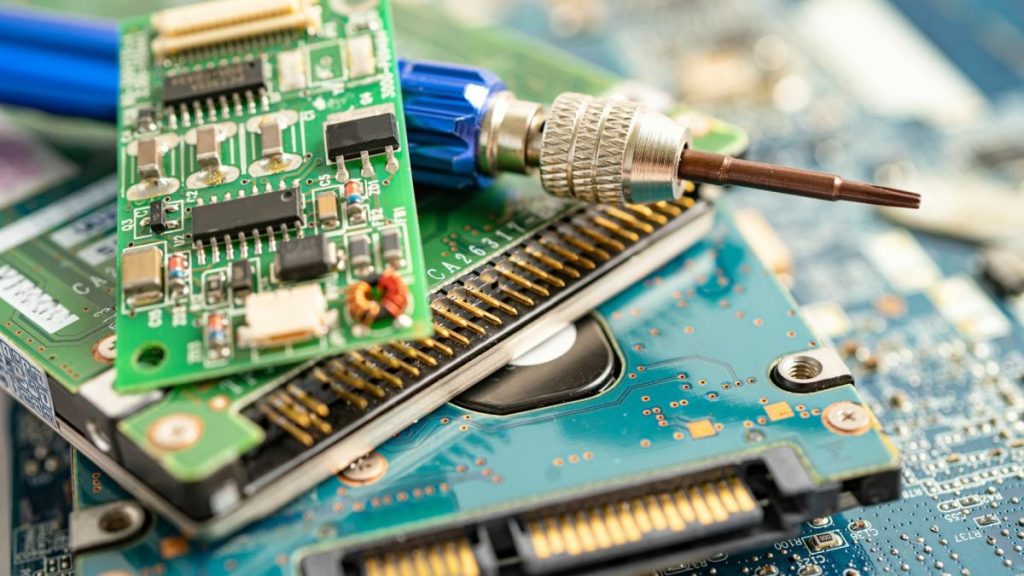
At their core, these services encompass the entire journey of developing electronic products. This typically begins with requirements analysis, where client needs and market demands are translated into technical specifications. The process then moves through schematic design, PCB layout, prototyping, and finally, testing and certification.
Some firms offer additional support such as component sourcing, firmware development, and design for manufacturability. This holistic approach ensures that the final product is not only functional but also optimized for cost, reliability, and scalability.
Key Stages in the Hardware Development Lifecycle
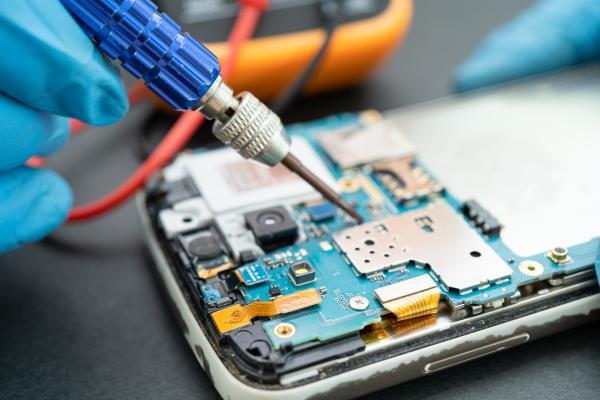
The path from concept to finished product involves several critical stages. Each phase requires specialized expertise and careful coordination to avoid costly errors or delays. Here’s a closer look at the typical workflow:
- Requirements Gathering: Understanding the functional and technical needs, as well as regulatory constraints.
- Schematic Design: Creating circuit diagrams that define how components will interact.
- PCB Layout: Translating schematics into a physical board design, considering size, signal integrity, and manufacturability.
- Prototyping: Building initial versions for functional testing and validation.
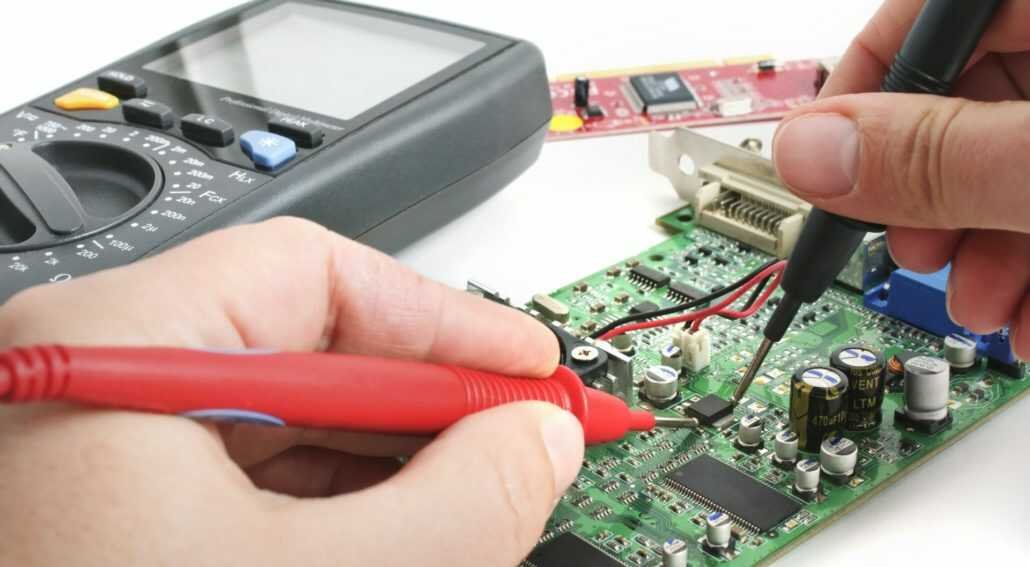
- Testing & Certification: Ensuring compliance with industry standards and validating performance against requirements.
- Production Support: Assisting with scaling up for mass manufacturing, including sourcing and quality control.
For a more detailed breakdown of these steps, the article on electronic product design process steps offers a comprehensive look at each phase.
Benefits of Professional Hardware Design Solutions
Partnering with experienced design firms brings a range of advantages. These include access to multidisciplinary teams, advanced tools, and proven methodologies. Clients benefit from reduced development risks, faster time-to-market, and products that are robust and ready for certification.
In addition, professional services often include ongoing support, helping clients refine their products based on user feedback or evolving standards. This adaptability is crucial in fast-moving sectors like IoT, automotive, and medical devices.
Choosing the Right Electronic Hardware Partner
Selecting a service provider is a pivotal decision. Consider firms with a track record in your industry, transparent communication, and the ability to handle both design and manufacturing challenges. It’s also important to assess their capabilities in areas such as regulatory compliance, rapid prototyping, and supply chain management.
Look for companies that offer clear documentation, regular project updates, and flexibility to accommodate changes. A strong partnership can help navigate technical challenges and bring innovative products to market efficiently.
Trends Shaping the Future of Hardware Design
The landscape of electronic product development is influenced by emerging technologies and shifting market needs. Some notable trends include:
- Miniaturization: Devices are becoming smaller and more integrated, requiring advanced design techniques.
- IoT Integration: Connectivity is now a standard feature, adding complexity to hardware and firmware design.
- Energy Efficiency: Power management is critical, especially for battery-powered and portable devices.
- Rapid Prototyping: The use of 3D printing and modular platforms accelerates development and testing.
- Compliance and Security: Meeting global standards and ensuring device security are top priorities.
For practical advice on navigating these trends, consider reviewing tips for successful electronic product development from industry experts.
How Hardware Design Services Support Innovation
By leveraging external expertise, companies can focus on their core competencies while bringing new ideas to life. Design service providers help bridge the gap between concept and reality, offering guidance on everything from component selection to regulatory approvals.
Many businesses also benefit from the ability to scale resources up or down as project needs change, ensuring cost-effectiveness and agility. For a closer look at the value these services bring, the article on benefits of electronic product design services highlights key advantages for organizations of all sizes.
Frequently Asked Questions
What industries commonly use electronic hardware design services?
These services are widely used in sectors such as consumer electronics, automotive, medical devices, industrial automation, telecommunications, and IoT. Each industry has unique requirements, but all benefit from specialized design expertise and support.
How long does it take to develop a new electronic product?
The timeline varies depending on complexity, regulatory requirements, and the level of customization. Simple products may take a few months, while advanced systems can require a year or more from concept to production. Early planning and clear communication with your design partner can help streamline the process.
What should I look for in a hardware design partner?
Key factors include relevant experience, technical capabilities, transparent processes, and strong communication. It’s also important to assess their ability to support prototyping, testing, and manufacturing, as well as their familiarity with industry standards and certifications.
Conclusion
Navigating the landscape of electronic hardware design services requires a clear understanding of the development process, the benefits of professional support, and the trends shaping the industry. By choosing the right partner and staying informed about best practices, businesses can accelerate innovation and bring reliable, market-ready products to life. For those interested in a deeper exploration of available solutions, the article electronic product design services explained provides further clarity on the options and approaches available today.
