

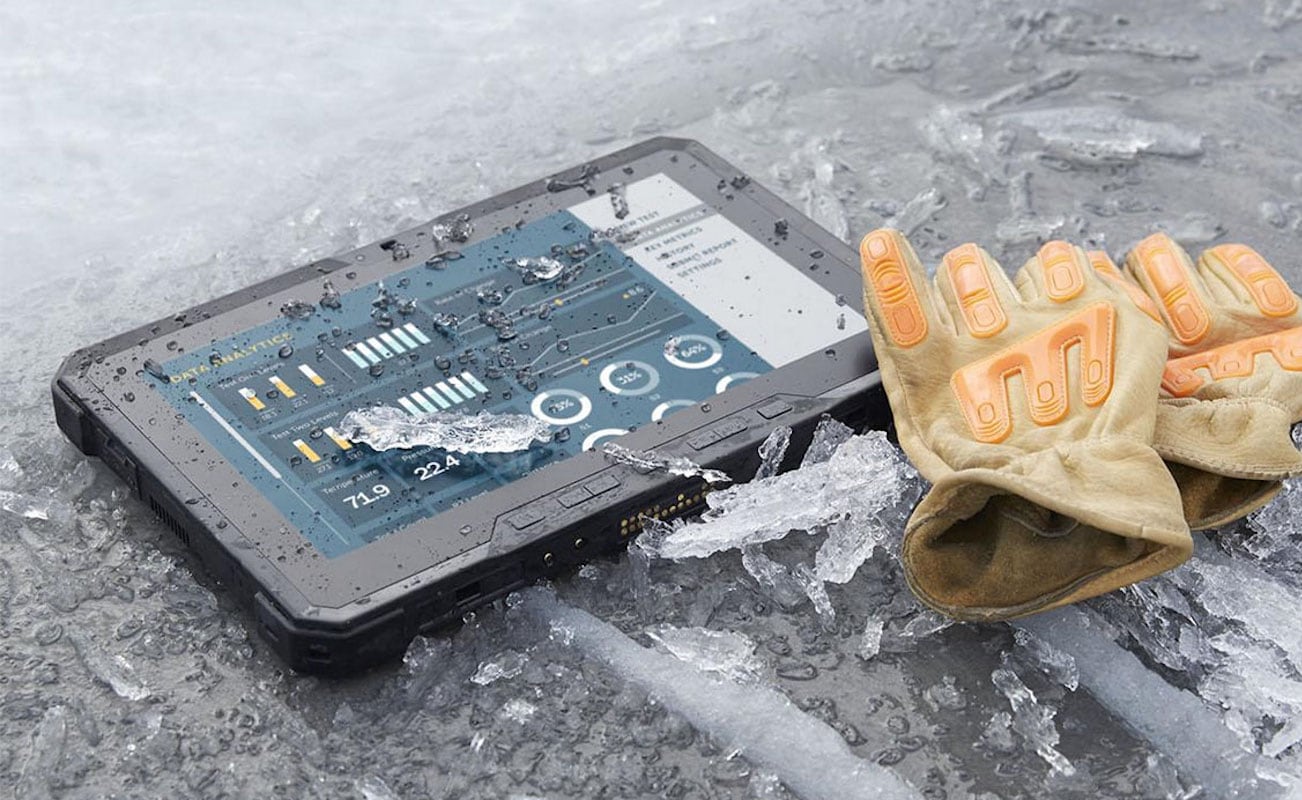

Introduction to Dust-Proof Industrial Devices
In today’s fast-paced industrial environment, maintaining the efficiency and longevity of equipment is crucial. One of the significant advancements aiding this endeavor is the use of dust-proof industrial devices. These devices are designed to operate in harsh environments, ensuring that dust and other particles do not compromise their functionality. For exporters and importers, understanding these devices can lead to more informed decisions regarding equipment investments and maintenance strategies.
The primary keyword, dust-proof industrial devices, emphasizes their importance in industries where dust is prevalent. Whether in manufacturing, agriculture, or construction, these devices play a pivotal role in ensuring uninterrupted operations.
Why Dust-Proof Industrial Devices Matter
Industrial environments are often characterized by high levels of dust and debris. These particles can infiltrate machinery, leading to wear and tear, breakdowns, and costly repairs. By incorporating dust-proof industrial devices, businesses can mitigate these risks, leading to enhanced productivity and reduced downtime.
Benefits of Using Dust-Proof Devices
- Extended Lifespan: Equipment designed to resist dust penetration has a longer lifespan.
- Reduced Maintenance Costs: Fewer breakdowns mean lower maintenance costs.
- Increased Efficiency: Machines operate at optimal levels without the interference of dust.
For more on how rugged electronics benefit industries, check out this resource.
Types of Dust-Proof Industrial Devices
There is a wide range of dust-proof industrial devices available, each designed for specific applications. These include:
Dust-Proof Computers
In sectors like manufacturing and agriculture, computers are integral to operations. However, they are susceptible to dust damage. Dust-proof computers are built to withstand such environments, ensuring data integrity and continuous operation. Learn more about rugged computing here.
Dust-Proof Sensors
Sensors play a crucial role in monitoring and controlling industrial processes. Dust-proof sensors ensure accurate readings and reliable performance, even in dusty conditions.
Dust-Proof Enclosures
These enclosures protect sensitive equipment from dust infiltration, making them ideal for safeguarding electronics and other critical components.
Industries Benefiting from Dust-Proof Devices
Many sectors benefit from the integration of dust-proof industrial devices. Some of the most impacted industries include:
Manufacturing
Manufacturing plants often deal with dust and debris from production processes. Dust-proof devices ensure that machinery runs smoothly, reducing downtime and increasing output.
Agriculture
Agricultural operations, especially those involving grain and feed processing, generate significant dust levels. Dust-proof technology is essential for maintaining equipment integrity and ensuring safe working conditions.
Construction
Construction sites are notoriously dusty. Dust-proof devices are crucial for protecting machinery and electronic equipment, ensuring projects stay on schedule and within budget.
Technological Advances in Dust-Proof Devices
Recent technological advancements have further enhanced the capabilities of dust-proof industrial devices. Innovations in materials and design have led to more robust and reliable equipment.
Material Improvements
Advances in materials science have resulted in more durable coatings and seals, improving the dust resistance of industrial devices.
Design Innovations
Innovative designs, such as streamlined enclosures and advanced filtration systems, have further minimized dust infiltration.
For a deeper understanding of rugged electronics, visit this resource.
Challenges in Implementing Dust-Proof Technology
While the benefits are clear, implementing dust-proof technology can present challenges. These include:
Cost Considerations
The initial investment in dust-proof devices can be significant. However, the long-term savings from reduced maintenance and downtime often justify the expense.
Integration with Existing Systems
Integrating new technology with existing systems can be complex. It requires careful planning and execution to ensure seamless operation.
Future Trends in Dust-Proof Devices
The future of dust-proof industrial devices is promising, with ongoing research and development leading to even more advanced solutions.
Smart Technology Integration
The integration of smart technology, such as IoT and AI, is set to revolutionize dust-proof devices, making them more efficient and easier to monitor and maintain.
Eco-Friendly Solutions
As environmental concerns grow, there is a push towards developing eco-friendly dust-proof devices that minimize environmental impact.
Conclusion
Dust-proof industrial devices are essential for businesses operating in dusty environments. They offer numerous benefits, including increased efficiency, reduced maintenance costs, and enhanced equipment longevity. As technology continues to evolve, these devices will become even more integral to industrial operations.
FAQs
What are dust-proof industrial devices?
Dust-proof industrial devices are equipment designed to resist dust infiltration, ensuring reliable performance in dusty environments.
Why are dust-proof devices important?
They help reduce equipment breakdowns, extend the lifespan of machinery, and improve efficiency by preventing dust-related issues.
Which industries benefit most from dust-proof technology?
Industries like manufacturing, agriculture, and construction benefit significantly from dust-proof technology due to their dusty operating environments.
