

The concept of digital twins in IoT has been gaining traction in recent years, promising to revolutionize how we connect and manage devices. By creating virtual replicas of physical objects, digital twins provide a powerful tool for improving efficiency and connectivity in the Internet of Things (IoT). This article delves into the transformative potential of digital twins and how they integrate with IoT to create a smarter, more interconnected world.
Understanding Digital Twins
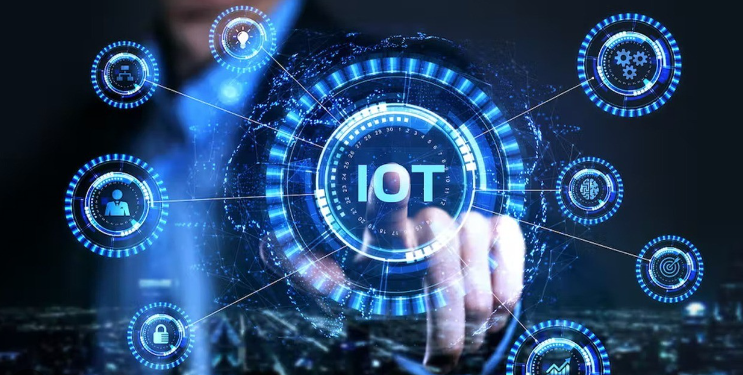
Digital twins are dynamic virtual models that accurately reflect physical objects or systems. They encompass data collected from sensors, real-time analytics, and simulations to offer a holistic view of the object’s performance, condition, and potential issues. By leveraging digital twins, businesses can optimize operations, predict maintenance needs, and enhance product development.
The Role of IoT in Digital Twins
The integration of IoT with digital twins is pivotal in expanding their capabilities. IoT devices serve as the primary data collection points, feeding real-time information into the digital twin models. This continuous data stream ensures that the virtual models remain up-to-date and reflective of their physical counterparts. The synergy between IoT and digital twins enables businesses to make informed decisions and drive innovation.
Advantages of Digital Twins in IoT
Enhanced Decision-Making
By utilizing digital twins, organizations can gain insights that improve decision-making processes. The real-time data provided by IoT devices allows companies to analyze performance metrics, identify trends, and implement strategies that enhance efficiency and productivity.
Predictive Maintenance
One of the most significant benefits of digital twins is their ability to predict maintenance needs. By analyzing data from IoT sensors, these virtual models can forecast potential failures or malfunctions. This proactive approach reduces downtime, minimizes costs, and extends the lifespan of physical assets.
Applications of Digital Twins in IoT
Manufacturing and Production
In the manufacturing sector, digital twins are used to simulate production processes, optimize workflows, and ensure quality control. By creating virtual models of production lines, manufacturers can test different scenarios and identify areas for improvement, leading to increased efficiency and reduced waste.
Smart Cities and Infrastructure
Smart cities benefit from digital twins through enhanced infrastructure management. These virtual models enable city planners to monitor traffic patterns, optimize energy consumption, and improve public services. The integration of IoT devices provides real-time data that supports smarter urban development.
Challenges and Considerations
Data Security and Privacy
As with any IoT application, data security and privacy are critical concerns. Businesses must implement robust cybersecurity measures to protect sensitive information and ensure the integrity of digital twins. Encrypting data, using secure communication protocols, and conducting regular security audits are essential practices.
Integration and Compatibility
Achieving seamless integration between digital twins and existing IoT systems can be challenging. Companies must ensure that their IoT devices are compatible with digital twin platforms and that data can be efficiently transferred and processed. Partnering with experienced IoT developers can facilitate this process.
The Future of Digital Twins in IoT
Innovation and Growth
The future of digital twins in IoT looks promising, with continuous advancements in technology driving innovation and growth. As more industries recognize the value of digital twins, we can expect to see increased adoption and the development of new applications that enhance connectivity and efficiency.
Collaboration and Partnerships
Collaboration between technology providers, businesses, and governments will be crucial in realizing the full potential of digital twins in IoT. By working together, stakeholders can address challenges, share best practices, and develop standards that ensure the successful implementation of digital twins.
Related Topics
To dive deeper into the world of IoT, explore topics like machine learning for IoT, remote monitoring using IoT, and IoT product development. These resources provide valuable insights into the integration of advanced technologies with IoT, paving the way for future innovations.
For further insights, check out this external guide on IoT product development.
FAQs
What are digital twins in IoT?
Digital twins in IoT are virtual models that replicate physical objects or systems, using data from IoT devices to provide a comprehensive view of performance and condition.
How do digital twins improve efficiency?
By analyzing real-time data from IoT devices, digital twins enable predictive maintenance, optimize operations, and support informed decision-making processes.
What industries benefit from digital twins?
Industries such as manufacturing, smart cities, healthcare, and transportation benefit from digital twins through improved efficiency, reduced costs, and enhanced connectivity.
