

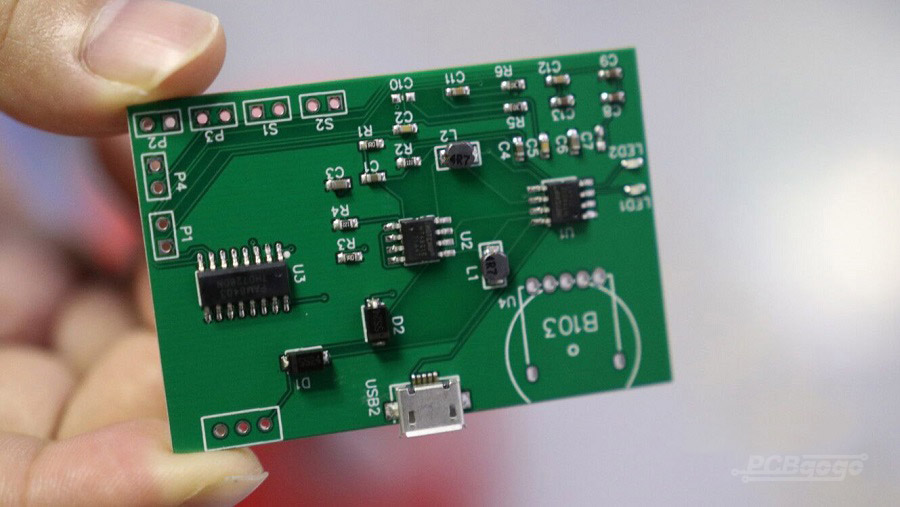
Digital twin applications in turnkey services are revolutionizing the way businesses operate, providing unparalleled opportunities for exporters and importers worldwide. As technology advances, the need for efficient and accurate systems becomes more apparent. In this context, digital twins emerge as a crucial component in enhancing business processes and outcomes.

Understanding Digital Twins
A digital twin is a virtual representation of a physical object or system, allowing for real-time monitoring and analysis. This technology enables businesses to simulate, predict, and optimize their operations, leading to improved efficiency and reduced costs.
The Role of Digital Twins in Turnkey Services
In turnkey services, digital twins play a pivotal role by providing a comprehensive digital interface for managing complex projects. These applications streamline processes, from design and manufacturing to delivery and maintenance, ensuring seamless integration and execution.
Enhancing Design and Manufacturing
By utilizing digital twins, businesses can enhance their design and manufacturing processes. This includes optimizing product designs, improving quality control, and reducing production time. For instance, exporters can use digital twins to simulate different design scenarios, ensuring the best possible outcome for their products.
Optimizing Supply Chain Management
The application of digital twins extends to supply chain management, offering exporters and importers increased visibility and control over their logistics. By simulating supply chain processes, businesses can identify potential bottlenecks and implement strategies to improve efficiency and reduce delays.
Real-Time Monitoring and Maintenance
One of the key benefits of digital twins is their ability to provide real-time monitoring and maintenance. This feature is especially valuable for importers and exporters, as it allows for proactive management of assets, reducing downtime and improving operational performance.
Benefits for Exporters and Importers
Cost Reduction
By implementing digital twins in turnkey services, businesses can significantly reduce costs associated with production, logistics, and maintenance. The ability to predict and address issues before they occur leads to substantial savings.
Improved Efficiency
Digital twins enable businesses to streamline their operations, resulting in improved efficiency. This is particularly beneficial for exporters and importers, who can use this technology to optimize their supply chains and enhance their market competitiveness.
Better Decision-Making
With access to real-time data and analytics, businesses can make informed decisions that drive growth and success. Digital twins provide a wealth of information, empowering exporters and importers to navigate complex markets with confidence.
Challenges and Considerations
While the benefits of digital twins are clear, there are challenges and considerations to keep in mind. These include data security, integration with existing systems, and the need for skilled personnel to manage and interpret the data.
The Future of Digital Twins in Turnkey Services
The future of digital twins in turnkey services is promising, with continued advancements in technology and increased adoption across industries. As businesses strive for greater efficiency and competitiveness, digital twins will play an increasingly vital role in their success.
Conclusion
In conclusion, digital twin applications in turnkey services offer significant advantages for exporters and importers. By embracing this technology, businesses can enhance their operations, reduce costs, and improve their market position. As the digital landscape evolves, the importance of digital twins will only continue to grow.

FAQs
What is a digital twin?
A digital twin is a virtual model of a physical object or system, used for monitoring, analysis, and optimization.
How do digital twins benefit turnkey services?
Digital twins enhance turnkey services by streamlining processes, improving efficiency, and reducing costs.
Are there challenges associated with digital twin implementation?
Yes, challenges include data security, system integration, and the need for skilled personnel.
For more information on the benefits and limitations of digital twin technology, you can read this article on turnkey electronics manufacturing.
Explore how turnkey procurement methods compare with customer-supplied parts in our detailed blog post.
Learn about green practices that are revolutionizing turnkey PCB assembly in the industry.
Understand the differences between prototyping and mass production in the context of turnkey electronics.
