

The world of electronics is vast and complex, with many different components and systems working together to create modern devices. One area that often causes confusion is the distinction between hardware and firmware design. This article aims to clarify this topic by explaining the fundamental differences between these two crucial aspects of electronic design.
hardware product design workflow
What is Hardware Design?
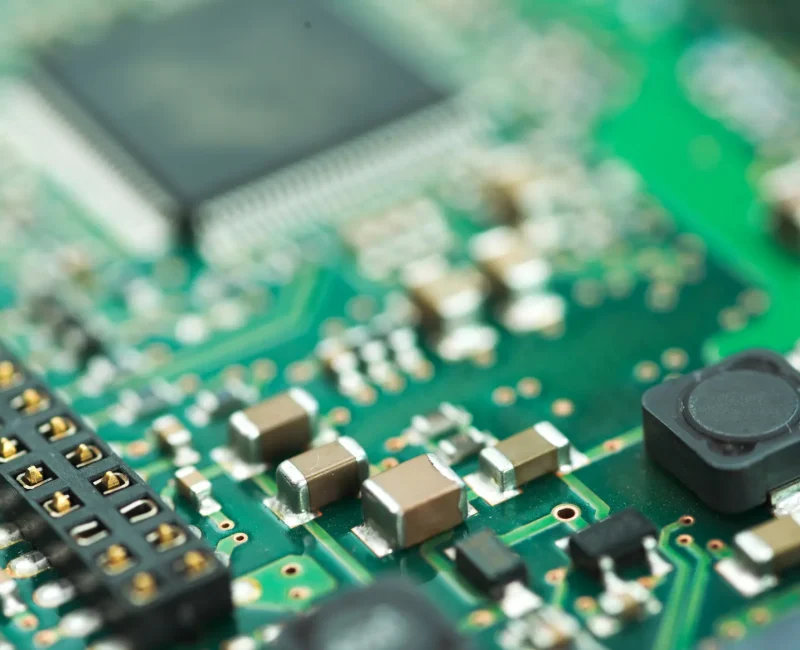
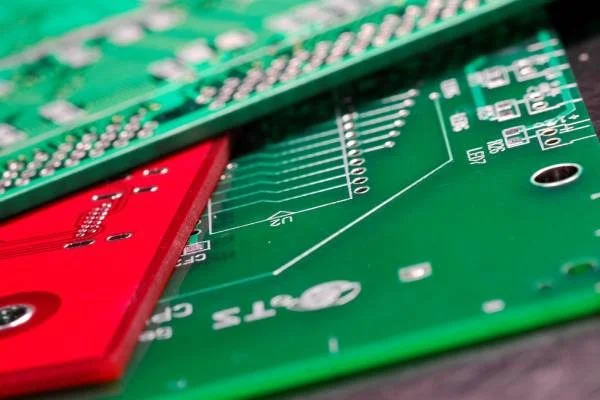
Hardware design refers to the process of creating physical components that make up a device or system. This includes everything from circuit boards and microchips to interfaces and connectors. It involves a deep understanding of electrical engineering principles, materials science, and manufacturing processes.
Defining Firmware Design
On the other hand, firmware design is concerned with the software that directly interacts with the hardware. It’s a specific class of computer software that provides low-level control for a device’s specific hardware. Firmware can be found in many devices, from simple household appliances to complex computer systems.

Key Differences Between Hardware and Firmware Design
The main difference between hardware and firmware design lies in their nature and purpose. Hardware is tangible and physical, while firmware is intangible and digital. Hardware forms the physical components of a device, while firmware provides the instructions that allow these components to function together.
For a deeper dive into the world of hardware design, consider exploring this comprehensive guide on concept prototyping for hardware.
Understanding the distinction between hardware and firmware design is crucial for anyone involved in the creation or maintenance of electronic devices. By knowing the difference, you can better comprehend the intricacies of how these devices work and how to design and troubleshoot them effectively.
