

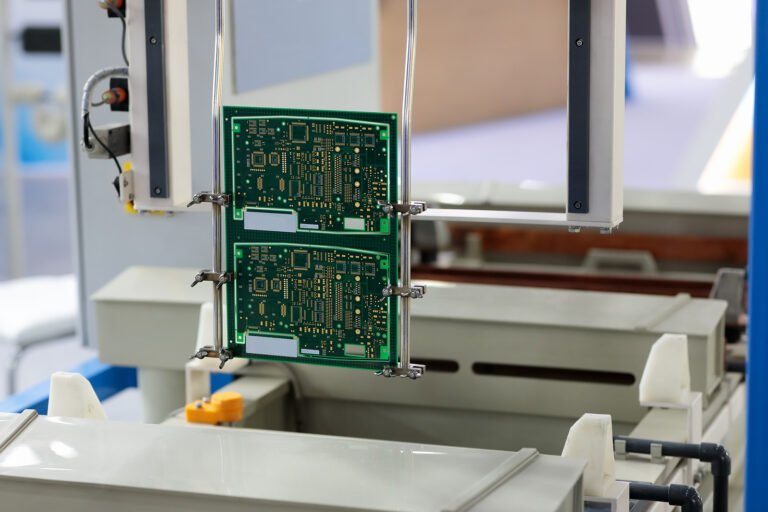
In today’s fast-paced electronics industry, ensuring that products perform consistently and withstand real-world conditions is a top priority. Design for reliability in electronic products is a systematic approach that integrates robust engineering practices throughout the development process, aiming to minimize failures and extend product life. This approach is essential for manufacturers seeking to build trust, reduce warranty costs, and maintain a strong reputation in the marketplace.
By focusing on reliability from the earliest design stages, engineers can address potential issues before they become costly problems. This article explores the principles, best practices, and actionable steps for integrating reliability into every phase of electronic product development. For a deeper look at the step-by-step process, you might also find the electronic product design process steps guide helpful.
Understanding Reliability in Electronic Product Development
Reliability in electronics refers to the probability that a device will perform its intended function without failure, under specified conditions, for a defined period. It is not just about preventing breakdowns but also about ensuring consistent operation throughout the product’s lifecycle. This focus is especially critical in sectors such as medical devices, automotive systems, and industrial automation, where failures can have significant consequences.
The foundation of a reliable electronic product lies in a comprehensive understanding of potential failure modes, environmental stresses, and user requirements. By anticipating these factors, engineers can make informed decisions about materials, components, and design strategies that enhance durability and performance.
Key Principles of Building Reliable Electronics
To achieve high reliability, certain principles must be woven into every stage of the design and manufacturing process:
- Early Failure Analysis: Identifying possible points of failure during the concept and design phases allows for proactive mitigation.
- Component Selection: Choosing high-quality, well-documented parts with proven track records reduces the risk of unexpected issues.
- Environmental Considerations: Understanding the operating environment (temperature, humidity, vibration) ensures appropriate protection and robustness.
- Redundancy and Safety Margins: Incorporating backup systems or extra capacity can help maintain function if a component fails.
- Design Simplicity: Minimizing complexity often leads to fewer failure points and easier troubleshooting.
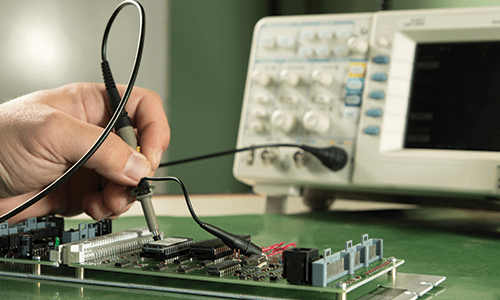
Integrating Reliability Engineering into the Design Process
Embedding reliability considerations into the design workflow is essential for achieving robust outcomes. Here’s how teams can ensure that reliability is not an afterthought:
- Requirements Definition: Begin by clearly outlining reliability goals, such as mean time between failures (MTBF) and expected operating conditions.
- Design Reviews: Conduct regular, structured reviews to catch potential issues early and encourage cross-disciplinary input.
- Failure Mode and Effects Analysis (FMEA): Use FMEA to systematically evaluate where and how a product might fail, and prioritize improvements.
- Accelerated Life Testing: Simulate years of use in a short time by exposing prototypes to extreme conditions, revealing weaknesses before mass production.
- Continuous Feedback: Gather data from field use and warranty returns to refine future designs and address recurring problems.
For organizations seeking a comprehensive overview of the design journey, the electronic product design services explained article offers further insights into the services and support available throughout the process.
Strategies for Enhancing Product Longevity
Extending the operational life of electronic devices is a key objective for both manufacturers and end-users. Here are several strategies that can help:
- Thermal Management: Excessive heat is a common cause of electronic failure. Effective heat sinks, ventilation, and thermal interface materials are crucial.
- Protective Enclosures: Shielding sensitive components from dust, moisture, and electromagnetic interference preserves functionality.
- Quality Assurance: Rigorous testing and inspection at every production stage catch defects before products reach customers.
- Firmware Updates: Designing products with updatable firmware enables ongoing improvements and bug fixes, supporting reliability after deployment.
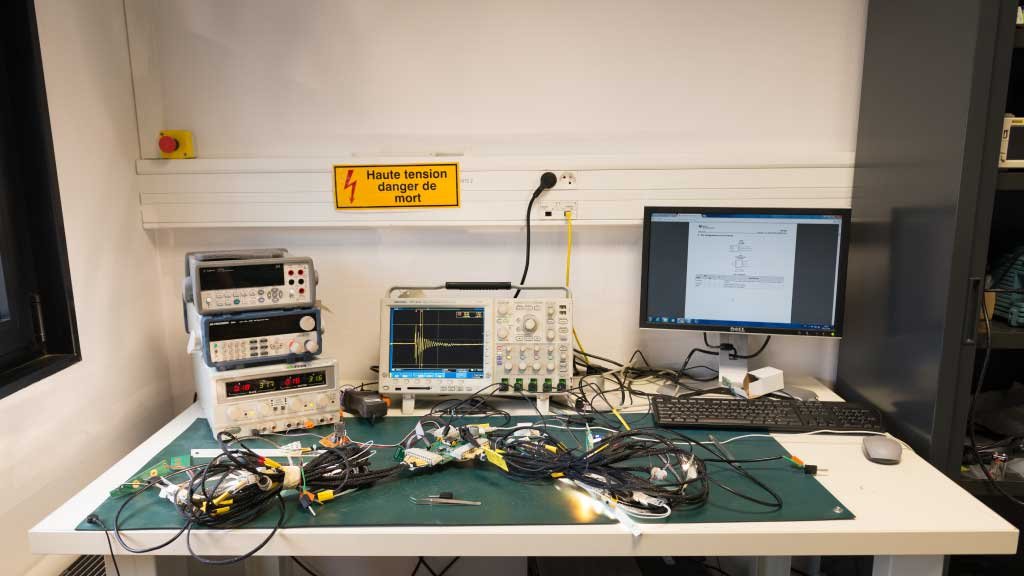
Common Pitfalls and How to Avoid Them
Even with the best intentions, certain mistakes can undermine reliability efforts. Some frequent challenges include:
- Overlooking Environmental Factors: Failing to account for real-world conditions can lead to premature failures.
- Inadequate Testing: Skipping or minimizing test phases increases the risk of undetected flaws.
- Poor Documentation: Incomplete records make troubleshooting and future improvements more difficult.
- Ignoring Feedback: Not acting on field data or customer complaints can result in repeated issues across product generations.
To avoid these pitfalls, it’s important to establish a culture of continuous improvement and learning. Drawing on industry resources, such as the comprehensive guide to electronic product design and development, can also provide valuable frameworks and checklists for teams.
Best Practices for Reliability-Focused Design Teams
Teams that consistently deliver robust products tend to share several best practices:
- Cross-Functional Collaboration: Involving experts from hardware, software, manufacturing, and quality assurance ensures that all reliability aspects are considered.
- Lifecycle Analysis: Evaluating how products will be used, maintained, and eventually retired helps identify potential failure points.
- Supplier Partnerships: Working closely with trusted suppliers improves component quality and traceability.
- Ongoing Training: Keeping teams updated on the latest standards, tools, and technologies supports continuous improvement.
For those interested in the early stages of bringing new devices to market, the electronic prototyping process guide provides a detailed look at how prototypes are developed and tested before full-scale production.
FAQ: Reliability in Electronic Product Design
What is the main goal of designing for reliability in electronics?
The primary objective is to ensure that devices function as intended over their expected lifespan, minimizing failures and maintenance needs. This approach helps manufacturers reduce warranty costs, improve customer satisfaction, and build a reputation for quality.
How can reliability be measured during the development process?
Reliability is often quantified using metrics such as mean time between failures (MTBF), failure rate, and results from accelerated life testing. These measurements help teams assess whether a product meets its reliability targets before release.
What role does testing play in achieving reliable electronic products?
Testing is critical for identifying and addressing weaknesses before products reach customers. Techniques like environmental stress screening, thermal cycling, and functional testing simulate real-world conditions, revealing issues that might otherwise go unnoticed.
Conclusion
Prioritizing design for reliability in electronic products is essential for delivering devices that meet customer expectations and perform consistently in demanding environments. By integrating reliability engineering principles, thorough testing, and continuous feedback into every stage of development, manufacturers can reduce risks, lower costs, and enhance product value. For further reading on the benefits of these practices, explore the benefits of electronic product design services to see how reliability-focused strategies contribute to long-term success.
