


In today’s digital age, the importance of data security cannot be overstated, especially when it comes to rugged devices. These devices, designed to withstand harsh environments, play a crucial role in various industries. From construction sites to military operations, rugged devices are essential for ensuring seamless operations. However, with the increasing reliance on these devices, the need for robust data security measures has become more critical than ever.
Understanding Rugged Devices
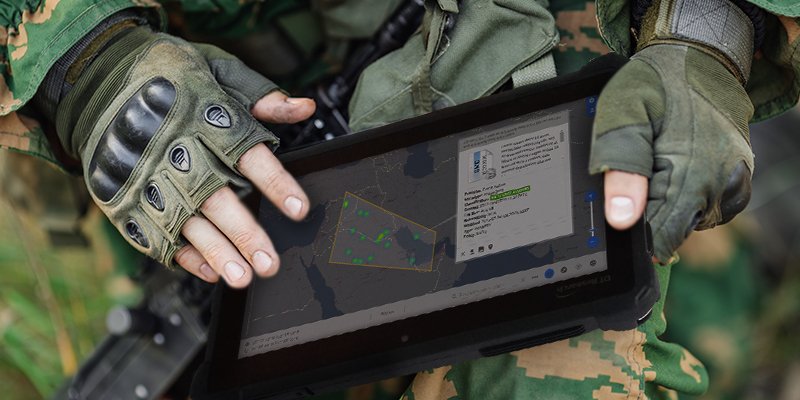
Rugged devices are built to endure extreme conditions, including temperature fluctuations, dust, moisture, and physical impacts. They are commonly used in industries such as transportation, logistics, and manufacturing. The primary advantage of rugged devices is their ability to function flawlessly in challenging environments where standard electronic devices might fail. To learn more about the maintenance of these devices, you can check this maintenance guide.
The Importance of Data Security in Rugged Devices
With the growing use of rugged devices, ensuring data security has become a top priority. These devices often handle sensitive information, making them attractive targets for cyber attacks. Implementing strong data security measures is essential to protect against unauthorized access, data breaches, and other cyber threats.
Threats to Data Security in Rugged Devices
- Physical Tampering: Rugged devices are often deployed in remote or unattended locations, increasing the risk of physical tampering.
- Malware Attacks: Just like any other electronic device, rugged devices are susceptible to malware attacks that can compromise data security.
- Network Vulnerabilities: Many rugged devices connect to networks for data transmission, making them vulnerable to network-based attacks.
Key Strategies for Enhancing Data Security
To safeguard data security in rugged devices, implement the following strategies:
Encryption
Encryption is a powerful tool to protect sensitive data. By encrypting data stored on rugged devices, even if the data is accessed by unauthorized parties, it remains unreadable and secure.
Access Control
Implementing strict access control measures ensures that only authorized personnel can access the device and its data. This can be achieved through password protection, biometrics, and other authentication methods.
Regular Software Updates
Keeping the software and firmware of rugged devices up-to-date is crucial for addressing vulnerabilities. Regular updates help patch security loopholes and enhance the overall data security of the devices.
Integrating Rugged Devices in Industries
Industries like transportation and logistics heavily rely on rugged devices for efficient operations. These devices ensure real-time tracking, communication, and data exchange. To understand the impact of rugged devices in railway systems, you can explore this detailed analysis.
The Role of Cybersecurity in Rugged Devices
Data security is closely linked to cybersecurity. Integrating cybersecurity measures in rugged devices helps protect against cyber threats. This includes implementing firewalls, intrusion detection systems, and secure communication protocols.
Firewalls and Intrusion Detection Systems
Firewalls act as a barrier between the device and potential threats, while intrusion detection systems monitor network traffic for suspicious activities. Together, they form a robust defense against cyber attacks.
Secure Communication Protocols
Implementing secure communication protocols ensures that data transmitted between devices and networks is encrypted and protected from interception.
Challenges in Implementing Data Security
While the importance of data security is clear, implementing it in rugged devices comes with its own set of challenges. These include:
- Limited Resources: Rugged devices often have limited processing power and storage, making it challenging to implement advanced security features.
- Environmental Constraints: The harsh environments where rugged devices are used can impact the reliability of security measures.
- Cost Considerations: Implementing robust data security measures can be costly, especially for large-scale deployments.
Future Trends in Data Security for Rugged Devices
As technology evolves, so do the methods for ensuring data security in rugged devices. Future trends include:
Artificial Intelligence and Machine Learning
AI and machine learning can enhance data security by identifying and responding to threats in real-time, improving the overall security posture of rugged devices.
Blockchain Technology
Blockchain offers a decentralized and secure way to store and transmit data, making it an attractive option for enhancing data security in rugged devices.
Conclusion
In conclusion, ensuring data security in rugged devices is essential for their reliable operation in various industries. By implementing robust security measures and staying informed about the latest trends, businesses can protect their sensitive data and maintain the integrity of their operations.

FAQs
What are rugged devices used for?
Rugged devices are used in industries such as transportation, logistics, and manufacturing to perform tasks in harsh environments where standard devices might fail.
How can I ensure data security in rugged devices?
Implementing encryption, access control, and regular software updates are key strategies to ensure data security in rugged devices.
What are the challenges in securing rugged devices?
Challenges include limited resources, environmental constraints, and cost considerations associated with implementing advanced security measures.
For more insights into rugged electronics, you can read this external article.
