

Developing a new electronic device is a complex journey that blends creativity, technical expertise, and careful planning. Whether you’re an entrepreneur with a fresh idea or a business aiming to expand your product range, understanding the steps and best practices for creating custom electronics is crucial. This custom electronic product design guide provides a comprehensive overview of the process, from concept to production, highlighting key considerations and practical advice for a successful outcome.
For those interested in a deeper dive into structured approaches, the electronic product design methodology offers valuable insights into proven frameworks and strategies.
Understanding the Basics of Tailored Electronics Development
At its core, creating a unique electronic device involves transforming an idea into a tangible, functional product. This process requires a multidisciplinary approach, combining hardware engineering, software development, and user experience design. The journey typically starts with identifying a market need and defining clear requirements, followed by a series of design, prototyping, and testing stages.
A successful project depends on thorough planning, effective communication between stakeholders, and a willingness to iterate based on feedback and testing results. By following a structured process, teams can minimize risks, control costs, and ensure the final product meets both technical and user expectations.
Key Stages in a Custom Electronic Product Design Guide
The path from concept to market-ready device can be broken down into several essential phases. Each stage plays a critical role in ensuring the product’s functionality, reliability, and manufacturability.
- Requirement Analysis and Specification: Clearly define the product’s purpose, target audience, and technical constraints. This includes outlining features, performance goals, compliance needs, and budget limitations.
- Conceptualization and Feasibility Study: Evaluate potential solutions, assess technical risks, and determine whether the project is viable. This may involve initial sketches, block diagrams, and basic simulations.
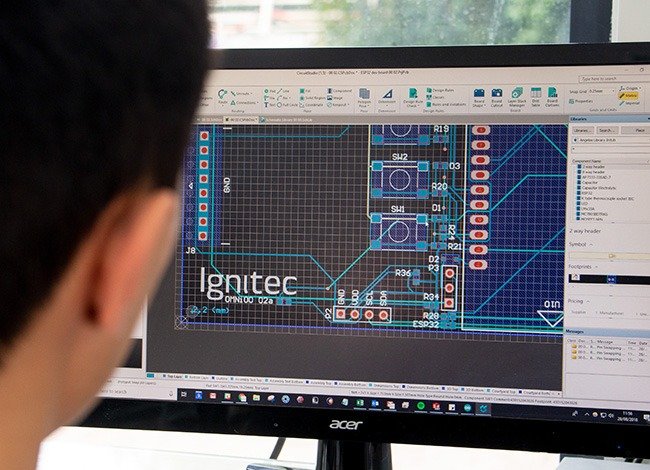
- Detailed Design: Develop schematics, select components, and design the printed circuit board (PCB). Software architecture and firmware planning also occur at this stage.
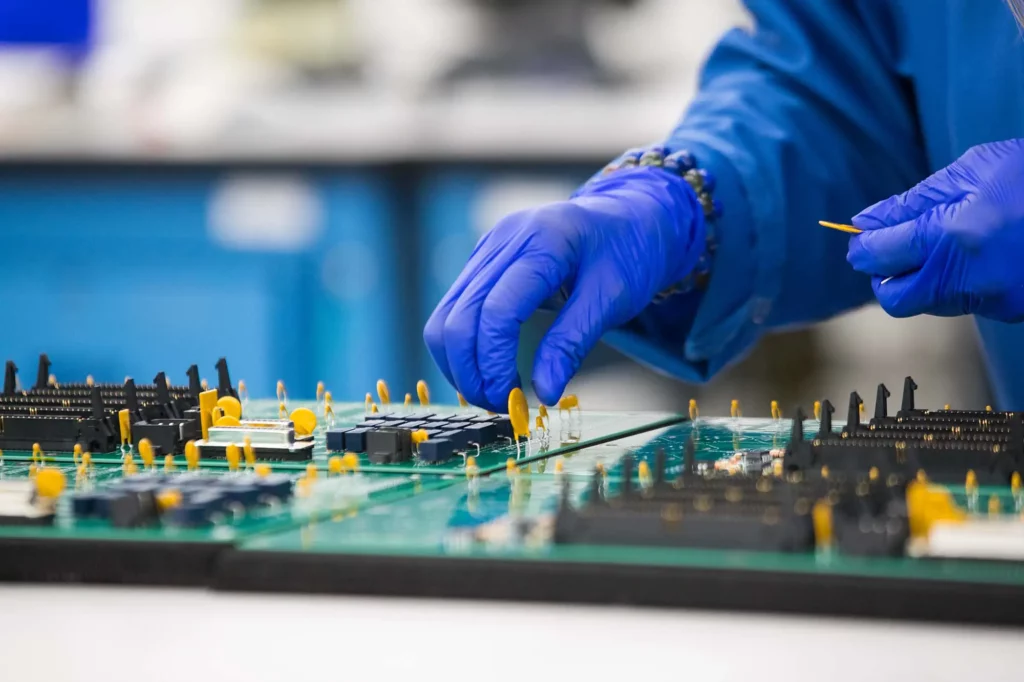
- Prototyping: Build and test early versions of the device to validate design choices and identify issues. Iterative prototyping helps refine both hardware and software before committing to production.
- Testing and Certification: Conduct rigorous testing for functionality, safety, and regulatory compliance. This may include electromagnetic compatibility (EMC) testing, environmental stress tests, and user trials.
- Manufacturing Preparation: Finalize design files, create production documentation, and select manufacturing partners. Design for manufacturability (DFM) reviews help streamline assembly and reduce costs.
- Production and Quality Control: Oversee the initial manufacturing run, implement quality assurance processes, and address any issues that arise during scaling.
Essential Tools and Technologies for Modern Electronics Creation
The landscape of electronics development has evolved rapidly, with new tools and platforms making it easier to design, simulate, and prototype devices. Some of the most important resources include:
- Electronic Design Automation (EDA) Software: Applications like Altium Designer, Eagle, and KiCAD enable engineers to create schematics, layout PCBs, and run simulations.
- Rapid Prototyping Tools: 3D printers, CNC machines, and modular development boards (such as Arduino and Raspberry Pi) help accelerate the prototyping phase.
- Testing and Measurement Equipment: Oscilloscopes, logic analyzers, and multimeters are essential for debugging and validating circuit behavior.
- Collaboration Platforms: Cloud-based tools facilitate version control, documentation, and communication among distributed teams.
Leveraging these technologies can significantly reduce development time and improve the reliability of the final product.
Best Practices for a Successful Custom Electronic Product Design Project
Navigating the complexities of electronics development requires more than technical skill. Adopting best practices ensures smoother progress and a higher chance of market success:
- Iterative Development: Embrace a cycle of prototyping, testing, and refinement. Early and frequent validation helps catch issues before they become costly.
- Cross-Disciplinary Collaboration: Involve experts from hardware, software, mechanical, and user experience fields throughout the process.
- Documentation: Maintain detailed records of design decisions, test results, and changes. Good documentation supports troubleshooting and future updates.
- Regulatory Awareness: Understand relevant standards and certification requirements early to avoid delays and redesigns.
- Supply Chain Planning: Identify reliable component suppliers and manufacturing partners to mitigate risks related to lead times and availability.
For a more granular look at the steps involved, the electronic product design process steps article provides a step-by-step breakdown.

Common Challenges and How to Overcome Them
Even with careful planning, projects often encounter obstacles. Some of the most frequent challenges include:
- Component Shortages: Global supply chain disruptions can delay production. Mitigate this by selecting alternative parts and maintaining good relationships with suppliers.
- Design Iterations: Unexpected issues may require multiple rounds of prototyping. Allocate time and budget for revisions.
- Regulatory Hurdles: Failing to meet compliance standards can halt a project. Engage with certification bodies early and incorporate their feedback.
- Cost Overruns: Scope creep and unforeseen technical challenges can increase expenses. Regularly review project goals and adjust plans as needed.
Addressing these issues proactively helps keep development on track and ensures a smoother path to market.
Further Resources and Industry Insights
Staying informed about industry trends and best practices is essential for anyone involved in electronics development. For a broader perspective on the field, consider reading this comprehensive guide to electronics design services and the design process, which covers additional strategies and case studies.
Additionally, understanding the benefits of electronic product design services can help you decide when to partner with external experts to accelerate your project and access specialized knowledge.
Frequently Asked Questions
What is the typical timeline for developing a custom electronic device?
The duration varies depending on complexity, but most projects take between six months to two years from concept to production. Early planning, clear requirements, and efficient prototyping can help shorten the timeline.
How much does it cost to create a unique electronic product?
Costs can range from a few thousand dollars for simple prototypes to hundreds of thousands for advanced, high-volume devices. Major factors include design complexity, certification requirements, and manufacturing scale.
Do I need to worry about intellectual property protection?
Yes, protecting your invention is important. Consider filing for patents, trademarks, or copyrights as appropriate. Consult with an intellectual property attorney early in the process to safeguard your ideas.
Can I outsource parts of the design process?
Absolutely. Many companies choose to work with specialized firms for PCB layout, firmware development, or prototyping. Outsourcing can provide access to expertise and speed up development, but clear communication and documentation are essential.
Conclusion
Bringing a new electronic device to life is a rewarding but challenging endeavor. By following a structured approach, leveraging modern tools, and staying informed about industry best practices, you can navigate the complexities of development and deliver a product that meets your goals. Use this custom electronic product design guide as a foundation, and don’t hesitate to seek expert advice or explore additional resources as your project progresses.
