

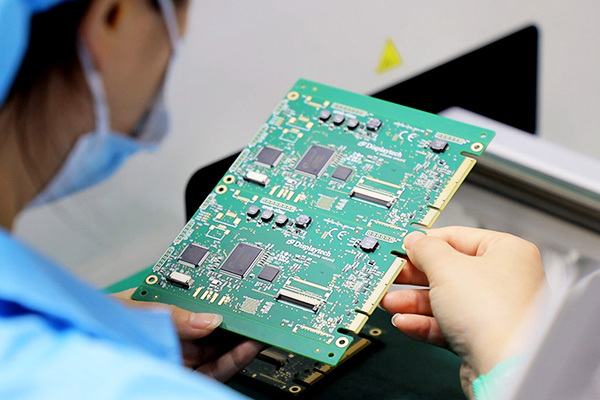
The world of turnkey electronics projects is an exciting and ever-evolving field. These projects offer a streamlined approach to electronic product development, from initial design to manufacturing and delivery. However, one crucial element that must be prioritized is the confidentiality of proprietary information and intellectual property. In this article, we will delve into the importance of confidentiality in turnkey electronics projects and explore effective strategies to safeguard sensitive information.

Understanding Turnkey Electronics Projects
Before we delve into the intricacies of confidentiality, it is essential to understand what turnkey electronics projects entail. These projects provide comprehensive solutions, covering everything from design and prototyping to manufacturing and assembly. This approach simplifies the process for businesses, allowing them to focus on their core competencies while outsourcing the technical aspects to specialized providers.
The Significance of Confidentiality
In the world of electronics, protecting sensitive information is of utmost importance. Confidentiality ensures that critical data, such as design schematics, manufacturing processes, and proprietary technologies, remain secure from unauthorized access and potential threats. For businesses relying on turnkey solutions, maintaining confidentiality is crucial to preserving their competitive edge and safeguarding their intellectual property.
Risks of Confidentiality Breaches
Confidentiality breaches can have severe consequences for companies involved in turnkey electronics projects. Unauthorized access to sensitive information can lead to intellectual property theft, loss of competitive advantage, and reputational damage. Furthermore, breaches may result in legal repercussions and financial losses, making it imperative for businesses to implement robust security measures.
Establishing Confidentiality Agreements
One of the most effective ways to ensure confidentiality in turnkey electronics projects is by establishing comprehensive confidentiality agreements. These legal documents outline the responsibilities and obligations of all parties involved, ensuring that sensitive information remains protected throughout the project lifecycle.
Key Elements of Effective Confidentiality Agreements
A well-drafted confidentiality agreement should include several key elements:
- Definition of Confidential Information: Clearly define what constitutes confidential information to avoid any ambiguity.
- Obligations of the Parties: Specify the responsibilities of each party in safeguarding confidential information.
- Duration of Confidentiality: Outline the timeframe during which confidentiality must be maintained, even after the project concludes.
- Consequences of Breach: Detail the potential legal and financial consequences of breaching the agreement.
Implementing Secure Communication Channels
To maintain confidentiality, it is crucial to implement secure communication channels. Encryption technologies, such as Secure Socket Layer (SSL) and Virtual Private Networks (VPNs), can help protect data during transmission. Additionally, utilizing secure file-sharing platforms and restricting access to sensitive information can further enhance data security.
Training and Awareness Programs
Human error is a significant factor in confidentiality breaches. Therefore, businesses should invest in training and awareness programs to educate employees about the importance of confidentiality and best practices for information security. Regular training sessions can help reinforce the importance of safeguarding sensitive information and empower employees to identify potential security threats.
Collaboration with Trusted Partners
When engaging with external partners for turnkey electronics projects, it is crucial to collaborate with trusted and reputable providers. Conduct thorough due diligence to ensure that potential partners have a proven track record of maintaining confidentiality and adhering to industry standards. Building strong relationships with reliable partners can significantly reduce the risk of data breaches.
Conducting Regular Security Audits
Regular security audits are essential to identify vulnerabilities and assess the effectiveness of existing security measures. Conducting audits helps businesses stay proactive in addressing potential threats and ensures that their confidentiality protocols remain up to date with the latest industry standards.
Technological Advancements and Confidentiality
As technology continues to advance, so do the methods used by cybercriminals to breach confidentiality. Businesses must stay informed about the latest technological advancements in data security to protect their sensitive information effectively. Implementing cutting-edge security technologies can provide an added layer of protection against potential threats.
Ensuring Compliance with Regulations
In addition to internal security measures, businesses involved in turnkey electronics projects must also comply with relevant regulations and industry standards. Compliance with data protection laws, such as the General Data Protection Regulation (GDPR), is essential to avoid legal repercussions and ensure the highest level of confidentiality.
Case Study: Successful Confidentiality in Turnkey Electronics Projects
Let’s explore a real-world case study that highlights the successful implementation of confidentiality measures in a turnkey electronics project. In this case, a leading electronics manufacturer partnered with a reputable turnkey provider to develop a new product. By establishing robust confidentiality agreements, implementing secure communication channels, and conducting regular security audits, the project was completed successfully without any breaches of confidentiality.
Lessons Learned
From the case study, we can derive valuable lessons for businesses involved in turnkey electronics projects:
- Prioritize confidentiality from the outset to minimize risks.
- Implement a multi-layered approach to data security.
- Foster strong partnerships with trusted providers.
The Future of Confidentiality in Turnkey Electronics Projects
As technology continues to evolve, the landscape of confidentiality in turnkey electronics projects will undoubtedly change. Businesses must remain vigilant and adaptable, continuously updating their security measures to combat emerging threats. By prioritizing confidentiality, companies can protect their intellectual property, maintain a competitive edge, and build trust with their clients and partners.
Conclusion
In conclusion, confidentiality is a critical component of turnkey electronics projects. By implementing robust security measures, establishing effective confidentiality agreements, and fostering strong partnerships, businesses can safeguard their sensitive information and ensure the success of their projects. Embracing a proactive approach to confidentiality will not only protect intellectual property but also enhance the overall reputation and credibility of the company.
FAQs
What is a confidentiality agreement in turnkey electronics projects?
A confidentiality agreement is a legal document that outlines the responsibilities and obligations of parties involved in a turnkey electronics project to protect sensitive information and ensure confidentiality.
How can businesses ensure confidentiality in turnkey electronics projects?
Businesses can ensure confidentiality by implementing secure communication channels, establishing confidentiality agreements, conducting regular security audits, and collaborating with trusted partners.
Why is confidentiality important in turnkey electronics projects?
Confidentiality is important because it protects sensitive information, preserves competitive advantage, prevents intellectual property theft, and safeguards the company’s reputation.
For further insights into protecting sensitive information in the electronics industry, consider visiting HiTek Quality. Additionally, explore more on the subject through Potting and Encapsulation and Prototyping vs Mass Production to gain a comprehensive understanding of electronics project management.
