

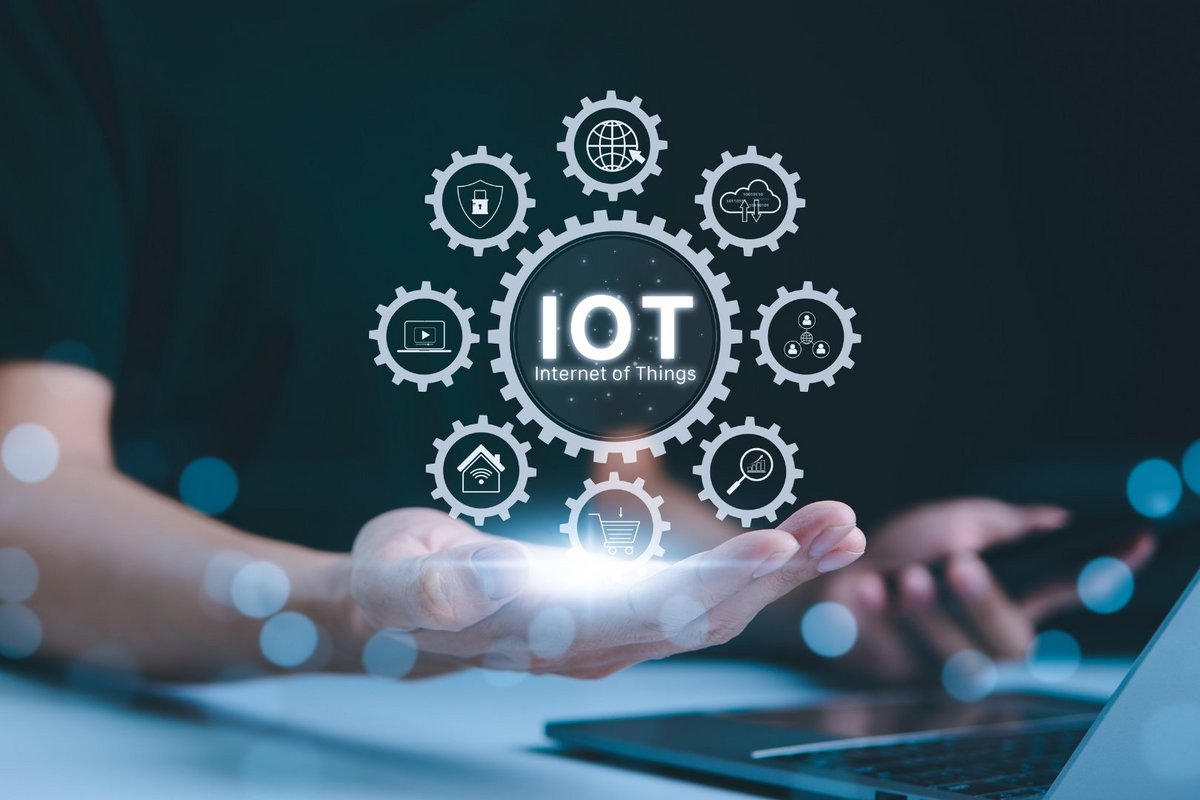
In today’s rapidly evolving technological landscape, the integration of CI/CD pipelines for IoT firmware has become a crucial aspect for businesses looking to maintain a competitive edge. As IoT devices continue to proliferate across various industries, ensuring that their firmware is updated efficiently and securely is paramount. This article delves into the intricacies of setting up CI/CD pipelines for IoT firmware, exploring the benefits, challenges, and best practices.

What are CI/CD Pipelines?
CI/CD stands for Continuous Integration and Continuous Deployment. It’s a methodology that automates the integration and deployment of code changes, allowing for faster and more reliable software updates. In the context of IoT firmware, CI/CD pipelines enable developers to seamlessly deploy firmware updates to a vast array of devices.
Why CI/CD Pipelines are Essential for IoT Firmware
With the growing number of IoT devices, managing firmware updates manually is no longer feasible. CI/CD pipelines streamline the process, reducing the risk of errors and ensuring that updates are rolled out consistently across all devices. This is particularly important for maintaining device security and performance.
Benefits of CI/CD Pipelines for IoT Firmware
- Efficiency: Automating the deployment process saves time and resources.
- Reliability: Reduces the likelihood of human error.
- Scalability: Easily manage updates across thousands of devices.
- Security: Ensures that the latest security patches are applied promptly.
Challenges in Implementing CI/CD for IoT Firmware
While the benefits are clear, implementing CI/CD pipelines for IoT firmware is not without its challenges. These include:
Device Diversity
IoT devices vary widely in terms of hardware and software configurations. Ensuring that firmware updates are compatible across all devices can be a daunting task.
Network Constraints
Many IoT devices operate in environments with limited connectivity, making it difficult to deploy updates in real-time.
Security Concerns
Ensuring that firmware updates are secure and do not introduce vulnerabilities is a top priority. This requires robust encryption and authentication mechanisms.
Best Practices for CI/CD Pipelines in IoT Firmware
To successfully implement CI/CD pipelines for IoT firmware, consider the following best practices:
Automate Testing
Automated testing is crucial to ensure that updates do not introduce bugs or compatibility issues. This includes unit tests, integration tests, and end-to-end tests.
Use Containerization
Containerization tools like Docker can help manage dependencies and ensure consistent environments across development, testing, and production.
Monitor and Rollback
Implement monitoring tools to track the success of updates and quickly roll back any that cause issues.
Case Study: Successful CI/CD Implementation in IoT
One company that has successfully implemented CI/CD pipelines for IoT firmware is SmartHome Inc. By automating their deployment process, they have reduced update times by 50% and improved device reliability.
The Future of CI/CD in IoT Firmware
As IoT technology continues to advance, the role of CI/CD pipelines will become even more critical. Future developments may include AI-driven testing and deployment, further enhancing the efficiency and reliability of firmware updates.
Conclusion
In conclusion, CI/CD pipelines for IoT firmware offer a robust framework for managing firmware updates efficiently and securely. By overcoming challenges and adhering to best practices, businesses can ensure their IoT devices remain up-to-date and secure.

FAQ
What is a CI/CD pipeline?
A CI/CD pipeline is an automated process that integrates code changes and deploys them to production environments, streamlining software updates.
Why are CI/CD pipelines important for IoT?
CI/CD pipelines are important for IoT because they automate the deployment of firmware updates, ensuring consistency and security across devices.
What challenges exist in implementing CI/CD for IoT?
Challenges include device diversity, network constraints, and ensuring security during the deployment of firmware updates.
To learn more about IoT product development, visit IoT Product Development.
For insights into remote monitoring using IoT, check out Remote Monitoring.
Discover how AI can be integrated into IoT products by reading AI Integration in IoT.
