

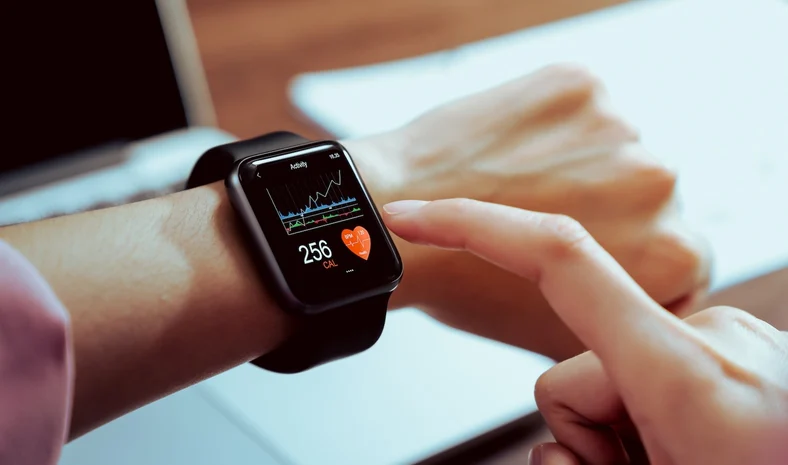
The rapid growth of wearable technology has transformed how people monitor health, fitness, and daily activities. From smartwatches and fitness trackers to medical-grade devices, wearables are now a vital part of everyday life. Yet, building these compact, always-on devices is far from straightforward. Developers and manufacturers face a unique set of challenges in wearable development that go beyond those encountered in traditional consumer electronics.
Understanding the complexities behind wearable creation is essential for anyone involved in product design, engineering, or digital health. This article explores the most significant hurdles, offering insight into technical, regulatory, and user-centered aspects. For a foundational overview of the field, see what is wearable technology for definitions, examples, and benefits.
Technical Complexities in Wearable Device Engineering
Creating reliable, compact, and energy-efficient wearables presents a host of engineering obstacles. Unlike smartphones or tablets, these devices must deliver robust performance within strict space and power constraints. The following sections break down the most pressing technical issues.
Miniaturization and Hardware Integration
One of the core challenges in wearable development is fitting advanced functionality into a small, lightweight form. Developers must integrate sensors, batteries, processors, and wireless modules into designs that are comfortable and unobtrusive for users. Selecting the right microcontrollers used in wearables is crucial, as these components determine processing power, energy efficiency, and connectivity.
Achieving this level of miniaturization often requires custom hardware, flexible circuit boards, and innovative assembly techniques. Even minor design flaws can lead to overheating, signal interference, or device failure.
Battery Life and Power Management
Wearables must operate for days or even weeks on a single charge, despite their small batteries. Power management is a constant balancing act: developers need to optimize software, select low-power components, and implement energy-saving features such as sleep modes. Any inefficiency can lead to frequent recharging, which negatively impacts user experience.
Connectivity and Data Transmission
Reliable wireless communication is essential for most wearables, whether syncing data to a smartphone or transmitting health metrics to cloud platforms. Bluetooth Low Energy (BLE), Wi-Fi, and even cellular connections are common, but each comes with its own set of trade-offs in terms of range, speed, and energy consumption. Ensuring seamless connectivity in diverse environments remains a significant technical hurdle.
User Experience and Design Considerations
Beyond technical performance, wearables must deliver a positive user experience. Comfort, aesthetics, and intuitive interfaces are all critical to adoption and long-term use.
Ergonomics and Wearability
Devices that are bulky, heavy, or uncomfortable will quickly be abandoned by users. Developers must carefully consider materials, weight distribution, and strap or attachment mechanisms. Sweat resistance, skin sensitivity, and long-term wear are also key factors in successful product design.
User Interface and Accessibility
The small screens and limited input options of most wearables make designing user interfaces particularly challenging. Developers must prioritize simplicity, clear feedback, and accessibility for all users, including those with disabilities. Voice controls, haptic feedback, and companion apps can help, but each adds complexity to the development process.
Data Security, Privacy, and Compliance
Wearables often collect sensitive health and personal data, making security and privacy top priorities. Developers must implement robust encryption, secure data storage, and transparent privacy policies to protect users.
Meeting Regulatory Standards
Many wearables, especially those used in healthcare, must comply with strict regulations such as HIPAA in the US or GDPR in Europe. Navigating these legal frameworks can be complex and time-consuming. Failing to meet standards can result in fines, product recalls, or loss of user trust.
Data Interoperability and Integration
Wearables rarely operate in isolation. Users expect seamless integration with smartphones, health records, and third-party apps. Achieving this requires adherence to open standards, robust APIs, and ongoing maintenance to ensure compatibility as platforms evolve.

Manufacturing, Testing, and Scalability
Bringing a wearable from prototype to mass production introduces another layer of complexity. Manufacturers must ensure quality, reliability, and scalability, all while keeping costs under control.
Quality Assurance and Reliability Testing
Wearables are exposed to sweat, movement, impacts, and environmental extremes. Rigorous testing is required to ensure devices perform reliably over time. This includes hardware stress tests, waterproofing, and long-term battery cycle analysis. For more on ensuring hardware reliability, see how PCBs are tested for reliability.
Scaling Production and Supply Chain Management
Scaling up from small batches to large-scale manufacturing can reveal unforeseen issues. Component shortages, supplier delays, and quality inconsistencies are common risks. Close collaboration with manufacturing partners and robust supply chain management are essential to avoid costly setbacks.
Best Practices for Overcoming Development Obstacles
While the obstacles are significant, many teams have found success by following a structured approach. Early prototyping, iterative testing, and cross-disciplinary collaboration are key. For a step-by-step overview, refer to the wearable device development process and practical steps to build a wearable product.
Staying informed about the latest trends and standards is also vital. For a broader industry perspective, see this comprehensive guide to wearable technology on Investopedia.
FAQ
What are the most common technical barriers in wearable device creation?
The most frequent technical barriers include miniaturizing hardware, optimizing battery life, and ensuring reliable wireless connectivity. Integrating multiple sensors and maintaining device durability in a compact form factor also present ongoing difficulties.
How do developers address privacy concerns in wearables?
Developers use encryption, secure data storage, and transparent privacy policies to protect user information. Compliance with regulations such as HIPAA or GDPR is essential, especially for devices handling health data.
Why is user experience especially important in wearable technology?
Wearables are worn directly on the body, so comfort, aesthetics, and intuitive interfaces are crucial for user adoption. Poor ergonomics or confusing controls can lead to device abandonment, regardless of technical capabilities.
