

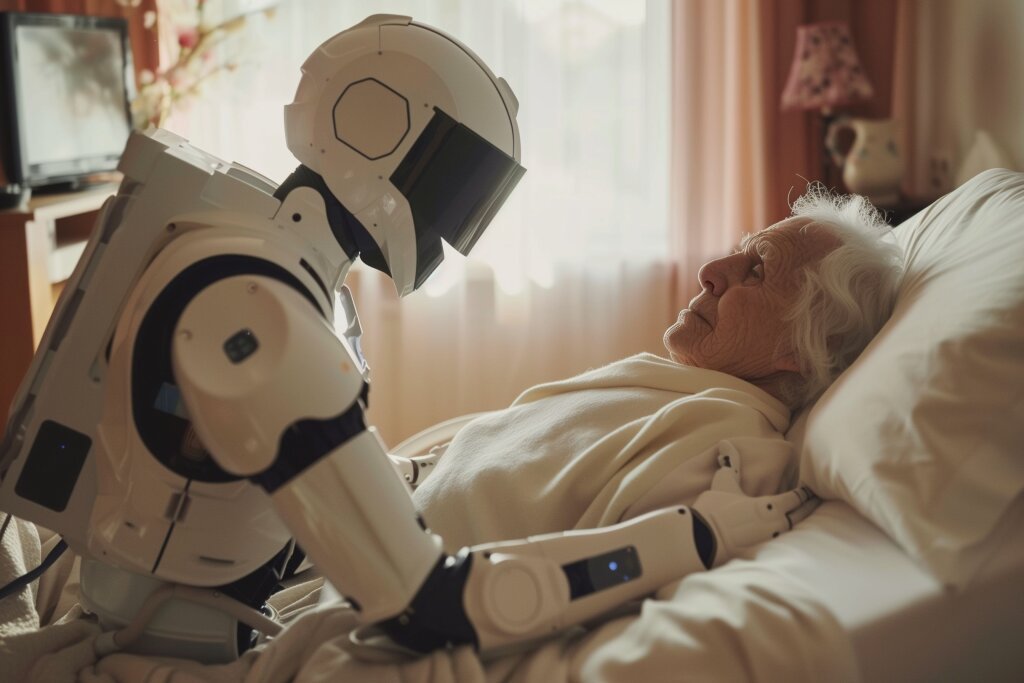
The integration of artificial intelligence into elderly home care is transforming how support is delivered to seniors. From robotic assistants to smart monitoring systems, AI-driven solutions are addressing critical challenges such as workforce shortages, safety, and the need for personalized care. By examining real-world examples, we gain insight into how these technologies are improving quality of life for older adults and supporting caregivers.
In this article, we explore a range of case studies AI elderly home care has enabled, highlighting practical applications and measurable outcomes. We’ll also discuss the benefits, challenges, and future directions for these innovations. For those interested in the regulatory landscape, our guide on regulations for AI in elderly care provides further context on compliance and safety standards.
AI-Powered Robotics: Addressing Workforce Shortages
One of the most prominent examples of AI in senior care comes from Japan, where the aging population has led to a shortage of care workers. Robotics companies have developed AI-driven robots capable of assisting with daily tasks such as lifting, mobility support, and even social interaction. These robots use advanced sensors and machine learning to safely help seniors move around their homes, reducing the risk of falls and injuries.
In a notable deployment, a 150-kg robot equipped with AI algorithms was introduced in several Japanese care facilities. The robot can lift patients, deliver supplies, and interact with residents using natural language processing. Early results show a reduction in caregiver injuries and improved morale among staff, as the robot handles physically demanding tasks.
For those interested in the technical side, understanding real time data processing in wearables is key to how these robots interpret and respond to their environment.
Remote Monitoring and Predictive Analytics in Home Settings
Another significant advancement is the use of AI for remote health monitoring. Wearable devices and in-home sensors continuously collect data on heart rate, movement, and sleep patterns. AI algorithms analyze this information to detect anomalies, predict health risks, and alert caregivers or medical professionals when intervention is needed.

In a recent pilot program in the United States, seniors living independently were provided with AI-powered wearables and smart cameras. These devices monitored daily activity and sent alerts if unusual patterns were detected, such as prolonged inactivity or irregular heart rhythms. The system’s predictive analytics helped prevent hospitalizations by enabling early intervention.
For a deeper dive into the technology behind these solutions, see our explanation of GPS tracking in wearables, which plays a crucial role in location-based safety features for seniors.
Conversational AI and Companionship for Seniors
Loneliness and social isolation are major concerns for older adults. Conversational AI, such as voice assistants and chatbots, is being used to provide companionship, cognitive stimulation, and reminders for medication or appointments. These systems are designed to engage users in natural conversation, answer questions, and even play games or music.
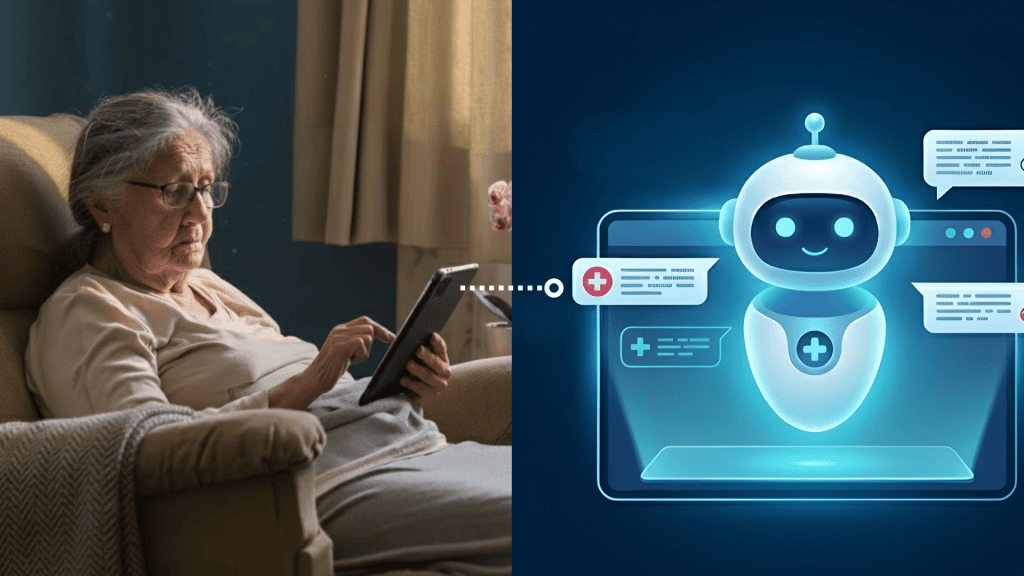
A study in the UK found that seniors using AI companions reported reduced feelings of loneliness and improved mental well-being. The AI system was able to adapt its responses based on the user’s mood and preferences, creating a more personalized experience. For more on how these digital companions are reshaping elder care, see this analysis of AI companions in elder care.
It’s important to note that while conversational AI can enhance social interaction, it is not a replacement for human contact. However, it serves as a valuable supplement, especially for those with limited family or community support.
Challenges and Considerations in AI-Driven Home Care
While the benefits of AI in supporting seniors are clear, several challenges remain. Privacy and data security are top concerns, as sensitive health information is collected and processed. Ensuring that AI systems are unbiased and accessible to all users is also critical. For a discussion on these issues, our article on AI bias in elderly healthcare AI explores risks and solutions for equitable care.
Additionally, integrating AI with existing healthcare infrastructure requires careful planning and collaboration between technology providers, caregivers, and regulatory bodies. Training staff and educating seniors about new technologies is essential for successful adoption.
Future Directions for AI in Senior Support
The future of AI in home care for older adults looks promising. Advances in machine learning, natural language processing, and sensor technology will enable even more personalized and proactive care. We can expect to see further integration with telemedicine, expanded use of predictive analytics, and greater emphasis on ethical AI development.
As these technologies evolve, ongoing research and transparent evaluation will be necessary to ensure they deliver meaningful benefits without unintended consequences. Collaboration between industry, healthcare providers, and policymakers will shape the next generation of AI-powered solutions for aging populations.
FAQ: AI and Elderly Home Care
How does AI improve safety for seniors living at home?
AI enhances safety by monitoring daily activities, detecting unusual patterns, and sending alerts in case of emergencies. For example, wearable devices can identify falls or irregular heart rates, while smart cameras and sensors track movement and alert caregivers if something seems wrong.
Are AI-powered robots replacing human caregivers?
AI-driven robots are designed to assist, not replace, human caregivers. They handle repetitive or physically demanding tasks, allowing staff to focus on providing emotional support and complex care. The goal is to supplement human care, especially where workforce shortages exist.
What are the main privacy concerns with AI in elderly care?
The use of AI in home care involves collecting sensitive health and behavioral data. Privacy concerns include data breaches, unauthorized access, and misuse of personal information. It’s important that providers follow strict data protection protocols and comply with relevant regulations.
