

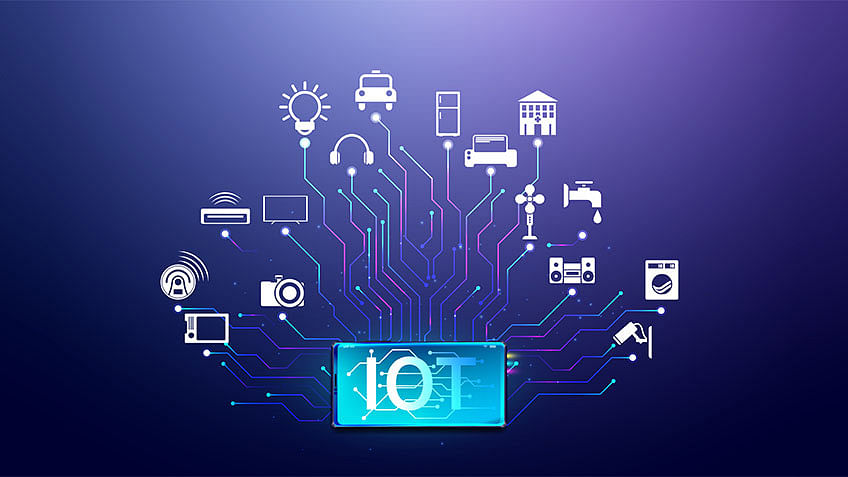
In the rapidly evolving world of the Internet of Things (IoT), the need for efficient and reliable connectivity solutions is paramount. One technology that stands out in this realm is Bluetooth Low Energy for IoT. This innovative technology has become a game-changer, providing seamless connectivity while conserving energy, making it ideal for a wide range of applications.
Understanding Bluetooth Low Energy (BLE)
Bluetooth Low Energy (BLE) is a wireless communication technology designed to provide low power consumption and cost-effective solutions for short-range communication. Unlike traditional Bluetooth, which is typically used for streaming audio or transferring large files, BLE is optimized for intermittent data transfer between devices, making it perfect for IoT applications.
The Evolution of Bluetooth Technology
The journey of Bluetooth technology began in the late 1990s, and since then, it has seen significant advancements. The introduction of BLE in Bluetooth 4.0 marked a turning point, allowing devices to maintain connections with minimal energy use. This evolution made BLE a preferred choice for IoT devices, where energy efficiency is crucial.
Key Features of BLE
BLE offers several features that make it suitable for IoT applications:
- Low Power Consumption: BLE is designed to operate with minimal power, extending the battery life of devices.
- Cost-Effectiveness: The technology is affordable, making it accessible for various applications.
- Interoperability: BLE is compatible with a wide range of devices, ensuring seamless connectivity.
Applications of BLE in IoT
The versatility of Bluetooth Low Energy for IoT is evident in its diverse applications across different sectors.
Healthcare and Fitness
In the healthcare sector, BLE is used in wearable devices that monitor vital signs, such as heart rate and body temperature. These devices provide real-time data to healthcare providers, enabling timely interventions. Fitness trackers also use BLE to sync data with smartphones, helping users track their physical activities and health metrics.
Smart Homes and Buildings
BLE plays a crucial role in the development of smart homes. Devices such as smart locks, lighting systems, and thermostats use BLE to communicate with each other and with central hubs, allowing users to control their home environment through smartphones or voice assistants. This seamless integration enhances the user experience while ensuring energy efficiency.
Industrial IoT
In industrial settings, BLE is used for asset tracking and management. Sensors equipped with BLE capabilities can monitor machinery health, environmental conditions, and inventory levels, providing valuable insights to optimize operations and reduce downtime.
The Role of BLE in Enhancing IoT Connectivity
The integration of Bluetooth Low Energy for IoT has transformed the way devices communicate. Its ability to connect multiple devices simultaneously while maintaining low energy consumption is a significant advantage for IoT ecosystems.
Seamless Device Pairing
BLE allows for easy and quick pairing of devices, eliminating the need for complex setup processes. This feature is particularly beneficial in environments where numerous devices need to be connected, such as smart cities and industrial facilities.
Scalability and Flexibility
One of the standout features of BLE is its scalability. It can support a vast number of devices, making it suitable for large-scale IoT deployments. Additionally, BLE’s flexibility allows it to adapt to various application requirements, from simple data transfer to complex sensor networks.
Challenges and Future Prospects
While BLE offers numerous benefits, it also faces challenges. Security concerns, such as data breaches and unauthorized access, need to be addressed to ensure safe communication. However, ongoing advancements in encryption and authentication protocols are expected to enhance BLE’s security.
Future Trends in BLE for IoT
The future of Bluetooth Low Energy for IoT is promising, with continuous improvements in technology and new use cases emerging. The integration of BLE with other technologies, such as 5G and edge computing, will further enhance its capabilities, enabling more sophisticated IoT solutions.
Conclusion
In conclusion, Bluetooth Low Energy for IoT is a vital technology driving the growth of IoT applications. Its energy efficiency, cost-effectiveness, and versatility make it an ideal choice for a wide range of sectors, from healthcare to industrial applications. As the IoT landscape continues to evolve, BLE will play an increasingly important role in shaping the future of connectivity.

FAQs
What is Bluetooth Low Energy (BLE)?
BLE is a wireless communication technology designed for low power consumption and short-range communication, making it ideal for IoT applications.
How does BLE benefit IoT devices?
BLE offers low power consumption, cost-effectiveness, and easy device pairing, enhancing the connectivity and efficiency of IoT devices.
What are the challenges of using BLE in IoT?
Security concerns and the need for interoperability with other technologies are challenges that need to be addressed to maximize BLE’s potential in IoT applications.
For more insights on IoT product development, you can visit AJProTech’s blog.
To learn about best prototyping tools, visit BL International Company’s blog.
Explore more about ruggedization techniques for IoT devices.
Discover the future of rugged electronics in IoT applications.
