

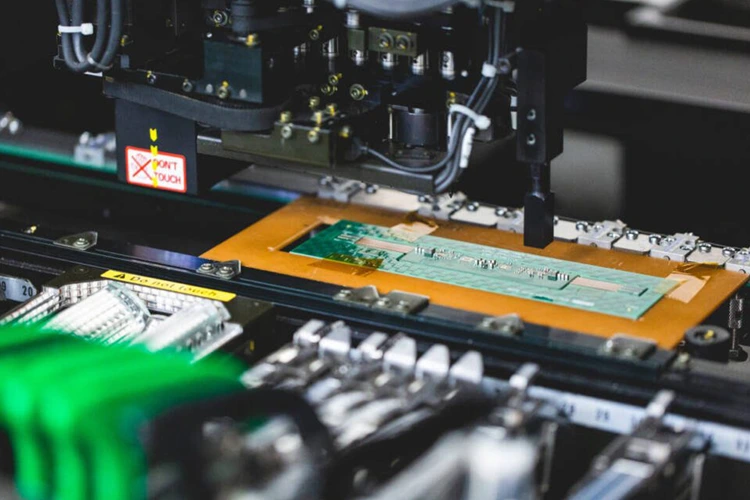
In today’s rapidly evolving technological landscape, the benefits of turnkey electronics manufacturing are becoming increasingly apparent. This model of production, where a single company manages the entire process from design to delivery, offers numerous advantages that are transforming how businesses operate. In this article, we will delve into these benefits, providing a comprehensive overview of why this approach is gaining traction among exporters and importers in the electronics industry.

What is Turnkey Electronics Manufacturing?
Turnkey electronics manufacturing refers to a streamlined production process where a single service provider handles all aspects of manufacturing. This includes design, prototyping, production, testing, and delivery. By entrusting the entire process to one company, businesses can focus on their core competencies while enjoying the convenience and efficiency of a centralized production model.
Key Advantages of Turnkey Solutions
The primary advantage of turnkey solutions is the simplification of the production process. By centralizing operations, companies can reduce the complexity of managing multiple vendors and ensure consistent quality across all stages of manufacturing. This approach not only saves time but also reduces the risk of errors and miscommunication.
Cost Efficiency and Savings
One of the most significant benefits of turnkey electronics manufacturing is cost efficiency. By consolidating all production stages under one roof, companies can benefit from economies of scale, reducing overall production costs. Additionally, the streamlined process minimizes waste and optimizes resource allocation, further enhancing cost savings.
Improved Quality Control
With turnkey manufacturing, quality control is more manageable and effective. Since the entire production process is overseen by a single provider, there is a higher degree of consistency and adherence to quality standards. This results in fewer defects and higher quality products, which is crucial in the competitive electronics market.
Speed to Market
The ability to bring products to market quickly is another major advantage of turnkey electronics manufacturing. With all production stages handled by one company, the time from design to delivery is significantly reduced. This agility allows businesses to respond to market demands more rapidly, gaining a competitive edge.
Flexibility and Customization
Turnkey solutions offer a high degree of flexibility and customization. Companies can tailor their products to meet specific market needs without the hassle of coordinating with multiple vendors. This capability is particularly valuable in the electronics industry, where consumer preferences and technological advancements are constantly changing.
Enhanced Supplier Relationships
By working with a single provider, businesses can develop stronger, more collaborative relationships with their suppliers. This partnership fosters better communication and understanding, leading to improved outcomes and mutual success.
Focus on Core Competencies
Outsourcing the manufacturing process allows companies to focus on their core competencies, such as product development and marketing. This strategic focus can lead to innovation and growth, as businesses are freed from the complexities of managing production logistics.
Risk Mitigation
Turnkey manufacturing also helps mitigate risks associated with production. By relying on a single, experienced provider, companies can reduce the likelihood of errors and disruptions, ensuring a smoother production process and reliable product delivery.
Environmental Benefits
The environmental impact of production is an important consideration for modern businesses. Turnkey manufacturing can contribute to sustainability efforts by optimizing resource use and reducing waste. This approach aligns with the growing demand for eco-friendly practices in the electronics industry.
Access to Advanced Technology
Turnkey providers often have access to the latest technology and equipment, which can enhance production capabilities. By leveraging these advanced tools, companies can improve product quality and innovation without significant capital investment.
Case Studies and Success Stories
Numerous companies have successfully adopted turnkey electronics manufacturing and reaped its benefits. For instance, many businesses have reported increased efficiency, reduced costs, and improved product quality after switching to this model. These success stories highlight the transformative potential of turnkey solutions.
Challenges and Considerations
While the benefits of turnkey manufacturing are substantial, companies should be aware of potential challenges. Choosing the right provider is crucial, as the success of the production process depends heavily on the supplier’s capabilities and reliability. Thorough research and due diligence are essential when selecting a turnkey partner.
Conclusion: Embracing Turnkey Solutions
The benefits of turnkey electronics manufacturing are clear. This approach offers a streamlined, efficient, and cost-effective solution for companies looking to enhance their production capabilities. By embracing turnkey solutions, businesses can stay competitive, innovate, and meet the demands of today’s dynamic market. For more insights on this topic, consider visiting Silkbridge Ltd. for an in-depth exploration of turnkey electronics manufacturing services.

FAQs
What is turnkey electronics manufacturing?
Turnkey electronics manufacturing is a process where a single company handles all aspects of production, from design to delivery.
How does turnkey manufacturing improve efficiency?
By centralizing production processes, turnkey manufacturing reduces complexity, minimizes risks, and speeds up time to market.
Are there environmental benefits to turnkey manufacturing?
Yes, turnkey manufacturing can optimize resource use and reduce waste, aligning with sustainable practices.
