


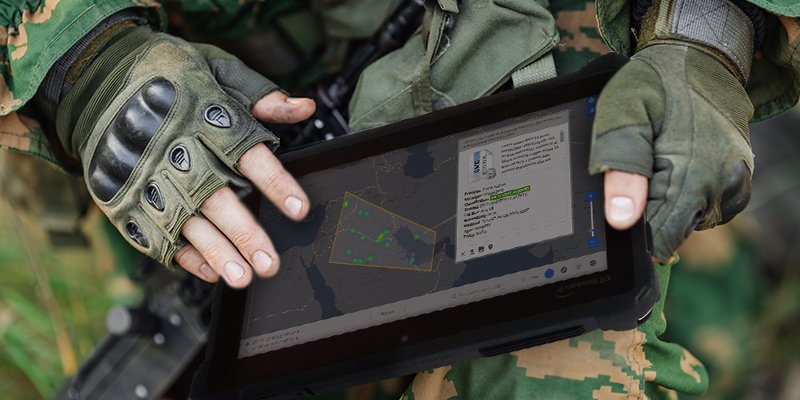
In the world of electronics, safety is paramount, especially in environments where there is a risk of explosion. This is where ATEX-certified electronics come into play. These specialized devices are designed to operate safely in potentially explosive atmospheres, providing a reliable solution for industries such as oil and gas, chemicals, and mining.
What Are ATEX-Certified Electronics?
ATEX stands for Atmosphres Explosibles, which is a European Union directive that specifies the requirements for equipment intended for use in explosive atmospheres. ATEX-certified electronics are those that meet these strict safety standards, ensuring they are safe to use in hazardous environments.
Why Is ATEX Certification Important?
The primary goal of ATEX certification is to prevent explosions in environments where flammable gases, vapors, or dusts are present. By adhering to these standards, businesses can ensure the safety of their workers and reduce the risk of costly accidents.
Key Features of ATEX-Certified Electronics
- Explosion-proof construction: These devices are built to contain any explosion that might occur, preventing it from spreading to the surrounding environment.
- Intrinsic safety: The electronics are designed to limit the energy available for ignition, ensuring they cannot cause an explosion.
- Temperature control: The devices are equipped with mechanisms to prevent overheating, reducing the risk of ignition.
Industries That Rely on ATEX-Certified Electronics
Many industries depend on ATEX-certified electronics to ensure safety in hazardous environments. Some of these industries include:
- Oil and gas: With flammable gases and vapors present, the oil and gas industry requires equipment that can operate safely in these conditions.
- Chemical manufacturing: The presence of volatile chemicals makes it essential to use ATEX-certified electronics to prevent explosions.
- Mining: In underground mines, where explosive gases may be present, safety is a top concern.
How to Choose the Right ATEX-Certified Electronics
Selecting the appropriate ATEX-certified electronics for your specific application is crucial. Here are some factors to consider:
1. Understand Your Environment
Different environments have different levels of risk. It’s essential to assess the specific hazards present in your workplace and choose electronics that are certified for those conditions.
2. Check for Certification Marks
Ensure that the electronics you choose carry the appropriate ATEX certification marks. This indicates they have been tested and approved for use in explosive atmospheres.
3. Consider the Device’s Features
Look for features such as explosion-proof construction, intrinsic safety, and temperature control, which are essential for safe operation in hazardous environments.
4. Consult with Experts
When in doubt, consult with experts in the field of ATEX-certified electronics. They can provide valuable insights and help you make informed decisions.
Common Misconceptions About ATEX-Certified Electronics
Despite their importance, there are some common misconceptions about ATEX-certified electronics. Let’s address a few:
1. All Electronics Are ATEX Certified
Not all electronics are ATEX certified. Only those that meet the specific safety requirements for explosive atmospheres carry this certification.
2. ATEX Certification Is Only for Europe
While ATEX is a European directive, its principles are recognized and implemented globally. Many international companies adhere to ATEX standards to ensure safety in hazardous environments.
3. ATEX-Certified Electronics Are Expensive
While it is true that ATEX-certified electronics may be more expensive than non-certified alternatives, the cost is justified by the safety and reliability they provide.
Benefits of Using ATEX-Certified Electronics
Using ATEX-certified electronics offers numerous benefits, including:
- Enhanced safety: By preventing explosions, these devices help protect workers and assets.
- Regulatory compliance: Adhering to ATEX standards ensures compliance with local and international safety regulations.
- Peace of mind: Knowing that your equipment is safe to use in hazardous environments provides peace of mind for both employers and employees.
Conclusion
ATEX-certified electronics play a crucial role in ensuring safety in environments where explosive atmospheres are present. By understanding the importance of ATEX certification, recognizing the key features of these devices, and making informed decisions when selecting them, businesses can create a safer workplace for their employees. For more information on the significance of using compliant electronics in hazardous areas, visit hazardous area compliant electronics.
Frequently Asked Questions
1. What is the difference between ATEX certification and other safety standards?
ATEX certification specifically focuses on equipment intended for use in explosive atmospheres, while other safety standards may cover a broader range of safety concerns.
2. How do I know if my equipment is ATEX certified?
Look for the ATEX certification mark on the equipment, which indicates it has been tested and approved for use in hazardous environments.
3. Can ATEX-certified electronics be used in non-hazardous environments?
Yes, ATEX-certified electronics can be used in non-hazardous environments, but their specialized features may not be necessary for such settings. For more on choosing the right electronics, explore industrial-grade connectors and their applications.
