

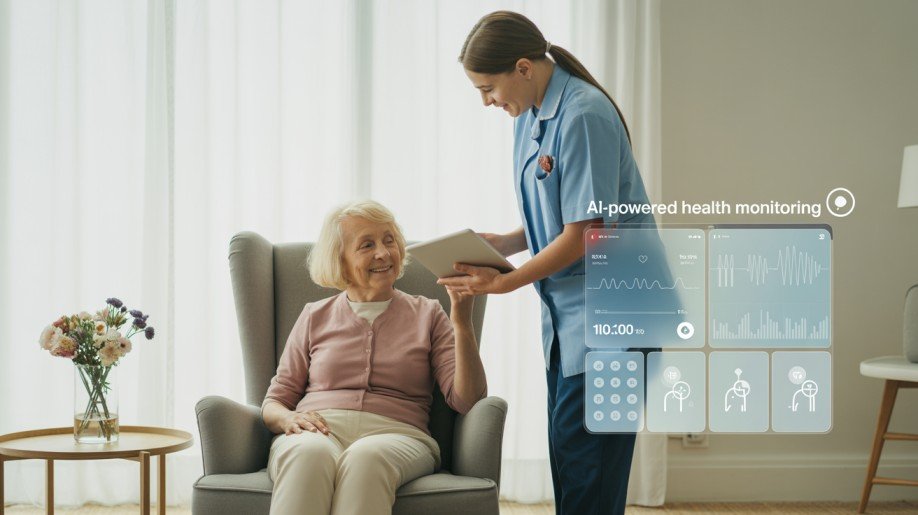
Artificial intelligence is rapidly transforming the landscape of home care, offering new ways to support elderly individuals and those with chronic conditions. As these smart systems become more common in daily life, the need for clear AI standards for home care technology grows increasingly urgent. Standards help ensure that devices and software are safe, reliable, and respect the privacy and dignity of users. This article explores the evolving landscape of guidelines shaping AI-powered solutions for home care, highlighting why robust frameworks matter for families, caregivers, and technology providers alike.
Understanding how these standards are developed and implemented is essential for anyone considering the adoption of AI-driven devices or platforms in a home care setting. For those interested in how electronic products are designed and integrated, the electronic product design system integration guide offers further insights into the broader context of technology development.
Why Standards Matter for AI in Home Care
As AI-powered tools become more prevalent in home care, establishing AI standards for home care technology is crucial for several reasons:
- Safety: Standards help ensure that devices operate as intended and do not pose risks to vulnerable users.
- Interoperability: Guidelines enable different devices and platforms to work together smoothly, reducing frustration for caregivers and families.
- Privacy and Security: Clear rules help protect sensitive health and personal data from misuse or unauthorized access.
- Trust: Adherence to recognized standards builds confidence among users, healthcare professionals, and regulators.
Without robust frameworks, there is a risk that AI-driven solutions may introduce unintended consequences or fail to meet the unique needs of those receiving care at home.
Key Areas Covered by AI Guidelines in Home Care
Modern standards for AI in home care address a range of technical and ethical considerations. Some of the most important areas include:
- Data Privacy: Protecting the personal and medical information collected by sensors, cameras, and apps.
- Algorithmic Transparency: Ensuring that AI decisions—such as fall detection or medication reminders—are explainable and auditable.
- Bias Mitigation: Reducing the risk that AI systems make errors or unfair decisions due to biased data or flawed algorithms.
- Usability and Accessibility: Designing interfaces and devices that are easy for elderly users and caregivers to operate.
- Reliability and Fail-Safes: Requiring backup systems and clear protocols if AI tools malfunction or connectivity is lost.
These areas are addressed by a mix of international standards bodies, government regulations, and industry best practices.

Current Frameworks and Regulatory Bodies
Several organizations are actively developing and updating standards for AI in healthcare and home environments. Notable contributors include:
- International Organization for Standardization (ISO): Sets global standards for information security, medical devices, and AI ethics.
- Institute of Electrical and Electronics Engineers (IEEE): Develops technical standards for AI safety, transparency, and interoperability.
- Food and Drug Administration (FDA): In the United States, the FDA regulates certain AI-powered medical devices used in home care.
- European Union: The EU’s AI Act and General Data Protection Regulation (GDPR) influence how AI systems handle personal data and risk management.
These frameworks are evolving to address the unique challenges of deploying AI in private residences, where oversight is less direct than in clinical settings.
Challenges in Implementing AI Standards for Home Care Technology
While the need for clear guidelines is widely recognized, several challenges complicate the implementation of AI standards for home care technology:
- Rapid Innovation: Technology advances faster than regulations can keep up, leading to gaps in oversight.
- Fragmentation: Different countries and regions may have conflicting requirements, making it difficult for manufacturers to comply globally.
- Complexity of Home Environments: Unlike hospitals, homes vary widely in layout, connectivity, and user needs, making standardization more difficult.
- Balancing Privacy and Safety: Collecting enough data to ensure safety while protecting user privacy is a delicate balance.
Stakeholders—including device makers, healthcare providers, and families—must work together to address these challenges and advocate for practical, enforceable standards.

Best Practices for Adopting AI in Home Care Settings
For families and caregivers considering AI-powered solutions, following best practices can help ensure safety and effectiveness:
- Research Devices: Look for products that comply with recognized standards and have been tested for home use.
- Prioritize Transparency: Choose solutions that clearly explain how decisions are made and allow users to review or override recommendations.
- Protect Privacy: Ensure that any device or service has robust data protection measures and clear privacy policies.
- Monitor Performance: Regularly check that devices are functioning as intended and update software as needed.
- Engage Healthcare Professionals: Consult with doctors or care managers to integrate AI tools into broader care plans.
By following these steps, users can benefit from the advantages of AI while minimizing risks.
Looking Ahead: The Future of AI Standards in Home Care
The landscape of AI standards for home care technology will continue to evolve as new devices and applications emerge. Collaboration between regulators, technology companies, healthcare providers, and advocacy groups is essential to create flexible yet robust frameworks. Ongoing research, such as that conducted by Stanford’s senior care technology research group, is helping to identify best practices and inform future guidelines.
For those interested in related topics, exploring the electronic product design safety standards comparison can provide additional context on how safety and compliance are managed across different types of technology.
FAQ
What are the main benefits of having standards for AI in home care?
Standards help ensure that AI-powered devices are safe, reliable, and respect user privacy. They also promote interoperability, making it easier for different systems to work together and for caregivers to manage multiple devices.
How can families know if a home care AI device meets current standards?
Look for certifications from recognized organizations like ISO or FDA clearance for medical devices. Reputable manufacturers will often highlight compliance with relevant standards in their product documentation.
What should caregivers consider before adopting AI solutions at home?
Caregivers should evaluate the device’s privacy policies, ensure it is user-friendly, check for regular software updates, and consult with healthcare professionals about integrating the technology into the overall care plan.
