


In today’s rapidly evolving technological landscape, the importance of rugged sensors in harsh environments cannot be overstated. Whether you are an exporter or an importer, understanding the intricacies of these durable sensors is crucial for ensuring smooth operations across various industries.
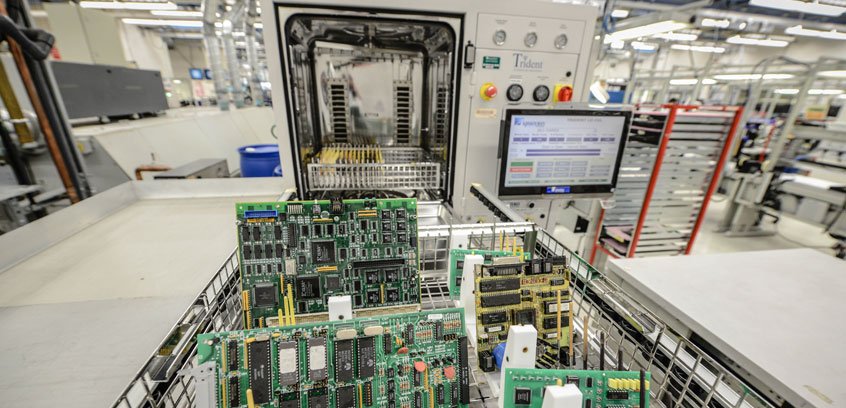
The Importance of Rugged Sensors
Rugged sensors are designed to withstand the most challenging conditions, making them indispensable in sectors where reliability is non-negotiable. From extreme temperatures to high humidity, these sensors maintain their functionality, ensuring accurate data collection and transmission.
Why Exporters and Importers Should Care
For exporters and importers, the reliability of rugged sensors directly impacts the efficiency and safety of goods transportation. These sensors provide real-time data on environmental conditions, helping to prevent damage and ensure compliance with international standards.
Applications in Various Industries
Manufacturing
In the manufacturing sector, the need for durable technology is paramount. Rugged computing solutions are integral to maintaining production lines and ensuring product quality.
Aerospace
The aerospace industry demands precision and reliability. EMC testing ensures that aerospace electronics, including sensors, function optimally in harsh environments.
Oil and Gas
In the oil and gas industry, sensors must endure extreme temperatures and pressures. These rugged sensors provide critical data that helps in monitoring equipment and ensuring safety.
Technical Features of Rugged Sensors
Temperature Resistance
Rugged sensors are built to withstand extreme temperatures, from freezing cold to scorching heat. This feature is essential for applications in environments like deserts or polar regions.
Shock and Vibration Resistance
These sensors are designed to absorb shocks and vibrations, making them ideal for use in heavy machinery and vehicles. Shock-resistant electronics ensure continuous operation without data loss.
Water and Dust Protection
With IP ratings that certify their protection against water and dust, rugged sensors are perfect for outdoor and industrial applications where exposure to the elements is unavoidable.
Challenges Faced by Rugged Sensors
Environmental Interference
Despite their durability, rugged sensors can face challenges from environmental interference, which can affect data accuracy. Solutions are continuously being developed to overcome these obstacles.
Cost Considerations
The advanced technology and materials used in rugged sensors make them more expensive than standard sensors. However, their long-term benefits often outweigh the initial investment.
Future of Rugged Sensors
Technological Advancements
As technology advances, we can expect rugged sensors to become even more efficient and capable. Innovations in materials and design will continue to push the boundaries of what these sensors can achieve.
Expanding Applications
The range of applications for rugged sensors is expanding rapidly. From agriculture to healthcare, these sensors are finding new uses in diverse fields.
How to Choose the Right Rugged Sensor
Assessing Environmental Needs
When selecting a rugged sensor, it is crucial to assess the specific environmental conditions it will face. This will ensure the sensor’s longevity and reliability in your application.
Understanding Technical Specifications
Pay close attention to the technical specifications of the sensors you are considering. This includes their IP rating, temperature range, and shock resistance.

FAQs
What are rugged sensors?
Rugged sensors are specially designed devices that can withstand extreme environmental conditions while maintaining accurate data collection and transmission.
Where are rugged sensors used?
Rugged sensors are used across various industries, including manufacturing, aerospace, oil and gas, and more, to ensure reliable data in challenging environments.
How do I choose the right rugged sensor?
To choose the right rugged sensor, consider the specific environmental conditions, technical specifications, and the sensor’s intended application.
In conclusion, the role of rugged sensors in harsh environments is pivotal for exporters and importers. By understanding their applications, features, and challenges, businesses can make informed decisions that enhance operational efficiency and safety. For more information on the topic, you can visit this external resource.
