


In the ever-evolving world of industrial electronics, maintaining the integrity of electronic devices is crucial. One key aspect that manufacturers and engineers must focus on is EMI shielding in industrial electronics. This concept is vital in ensuring that electronic equipment operates without disruption from external electromagnetic interference (EMI). EMI can cause significant malfunctions and degrade the performance of sensitive electronic components.
Industrial environments are particularly susceptible to EMI due to the presence of numerous electronic devices and heavy machinery. Understanding and implementing effective EMI shielding strategies can significantly enhance the reliability and efficiency of electronic systems used in these settings.
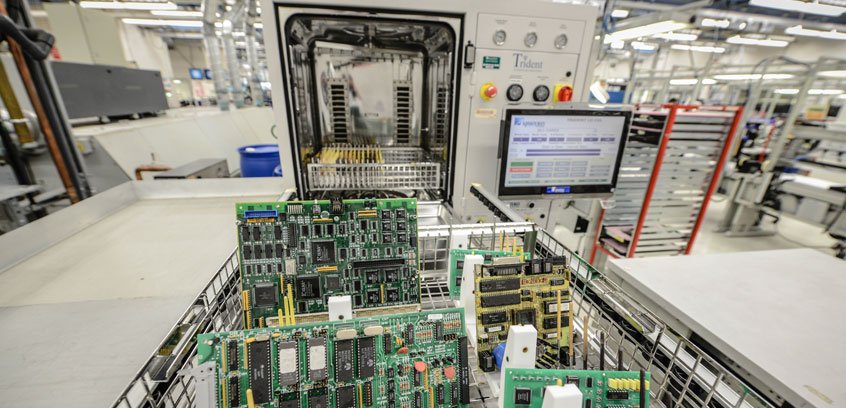
What is EMI Shielding?
EMI shielding refers to the practice of protecting electronic devices from electromagnetic interference emitted by external sources or other electronic components within the same system. This interference can occur through radio frequencies, electrical signals, or magnetic fields, leading to disrupted functionality or complete failure of electronic devices.
Importance of EMI Shielding in Industrial Electronics
The importance of EMI shielding cannot be overstated, particularly in industrial settings where electronic devices play a critical role in operational processes. Industries such as manufacturing, aerospace, and automotive rely heavily on electronic systems to ensure seamless operations. Any disruption due to EMI can lead to costly downtimes and potentially hazardous situations.
Sources of EMI in Industrial Settings
Understanding the sources of EMI is essential for implementing effective shielding solutions. In industrial settings, EMI can originate from:
- High-frequency electronic devices such as motors and generators.
- Wireless communication systems operating within the same frequency range as sensitive equipment.
- Switching power supplies generating noise and interference.
- Electromagnetic fields from heavy machinery.
Materials Used for EMI Shielding
Various materials are utilized for EMI shielding purposes, each with unique properties that make them suitable for different applications. Common materials include:
- Conductive metals such as copper, aluminum, and brass.
- Conductive coatings and paints applied to surfaces.
- Gaskets and seals made from conductive elastomers.
- Metalized fabrics and meshes for flexible shielding solutions.
These materials are chosen based on their conductivity, permeability, and ability to block or reflect electromagnetic waves.
Design Considerations for EMI Shielding
When designing industrial electronic systems, incorporating EMI shielding is vital. Key considerations include:
- Identifying potential sources of EMI and assessing their impact on the system.
- Selecting appropriate shielding materials based on the frequency range of the interference.
- Ensuring proper grounding and bonding to minimize electromagnetic interference.
- Implementing effective enclosure designs to contain and block EMI.
Testing and Validation of EMI Shielding
Once designed, it is crucial to test and validate the effectiveness of EMI shielding solutions. This involves:
- Conducting electromagnetic compatibility (EMC) tests to evaluate the performance of shielding materials.
- Using specialized equipment to measure the level of EMI attenuation achieved.
- Collaborating with testing laboratories to ensure compliance with industry standards.
Testing helps identify potential weaknesses in shielding designs and allows for necessary improvements to be made.
Challenges in EMI Shielding for Industrial Electronics
While EMI shielding is essential, it comes with its own set of challenges. These include:
- Balancing the cost of shielding materials with their effectiveness.
- Ensuring that shielding does not interfere with ventilation and heat dissipation.
- Maintaining flexibility in design to accommodate different industrial applications.
- Addressing the complexity of multi-layered shielding solutions for comprehensive protection.
Future Trends in EMI Shielding
The field of EMI shielding is continually evolving, with new materials and techniques being developed to address emerging challenges. Future trends include:
- Advancements in nanotechnology to create more efficient shielding materials.
- Integration of smart materials that adapt to changing electromagnetic environments.
- Development of eco-friendly shielding solutions to reduce environmental impact.
- Collaboration between industries to establish standardized testing protocols.
These trends indicate a promising future for EMI shielding in industrial electronics, ensuring continued innovation and improved performance.
Conclusion
In conclusion, EMI shielding in industrial electronics is a critical aspect of maintaining the reliability and functionality of electronic systems in challenging environments. By understanding the sources of EMI, selecting appropriate materials, and implementing effective design strategies, industries can safeguard their operations against electromagnetic interference. As technology advances, so too will the capabilities and effectiveness of EMI shielding solutions, paving the way for a more resilient and efficient industrial landscape.
For more insights on related topics, visit rugged computing or explore the EMC testing for aerospace page.

FAQ
Q: What industries benefit most from EMI shielding?
A: Industries such as aerospace, automotive, and manufacturing benefit significantly from effective EMI shielding due to their reliance on sensitive electronic systems.
Q: Can EMI shielding be retrofitted into existing systems?
A: Yes, EMI shielding solutions can often be integrated into existing systems through the use of conductive coatings, gaskets, and other materials.
Q: How does EMI shielding impact electronic device design?
A: EMI shielding requires careful consideration during the design phase to ensure effective protection without compromising other aspects such as heat dissipation and ventilation.
