

The rapid growth of wearable technology has transformed how people monitor their health, fitness, and daily activities. From smartwatches and fitness trackers to advanced medical devices, these products promise real-time insights and personalized feedback. But as more users rely on wearables for important health and lifestyle decisions, a critical question arises: How accurate is the data these devices provide?
Understanding the reliability of information collected by wearables is essential for consumers, healthcare professionals, and developers alike. In this article, we’ll explore the factors that influence wearable data accuracy, examine common challenges, and offer practical advice for interpreting and improving the trustworthiness of your device’s measurements.
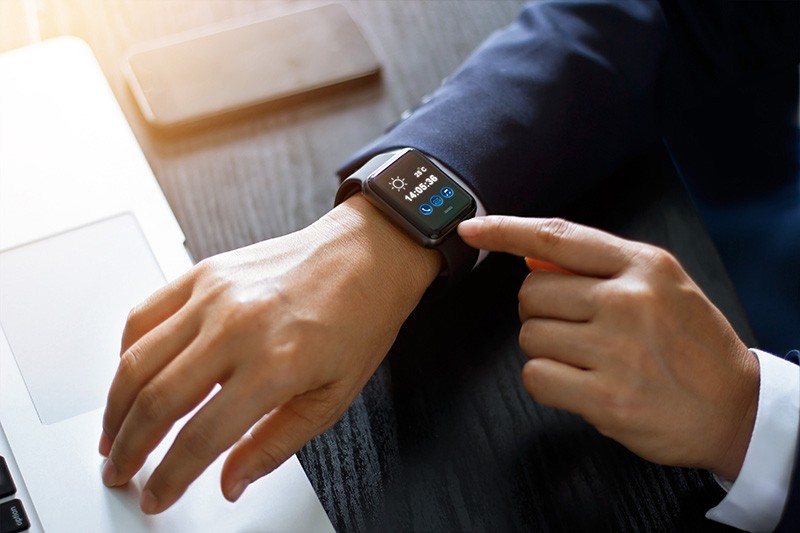
If you’re interested in the development side of these devices, you may want to review the steps to build a wearable product for insights on design and engineering best practices.
What Influences the Precision of Wearable Sensors?
The reliability of data from wearables depends on a combination of hardware, software, user behavior, and environmental factors. Most devices use a range of sensors—such as accelerometers, gyroscopes, optical heart rate monitors, and GPS—to capture information about movement, heart rate, sleep, and more. However, each sensor has its own limitations and potential sources of error.
- Sensor Quality: High-quality sensors tend to deliver more consistent results, but cost constraints may lead manufacturers to use less precise components in consumer-grade products.
- Algorithm Design: The software that interprets raw sensor data plays a major role. Algorithms must filter out noise, account for different skin tones, and adapt to various activities.
- Device Placement: Wearables must be worn correctly to function as intended. Loose bands, improper positioning, or wearing the device on the wrong wrist can all affect readings.
- User Variability: Factors like skin color, tattoos, body composition, and even ambient temperature can impact sensor performance, especially for optical heart rate monitors.
- Environmental Conditions: Bright sunlight, water exposure, and electromagnetic interference may introduce errors or gaps in data collection.

Comparing Wearable Measurements to Medical-Grade Devices
Many people use wearables to track health metrics like heart rate, blood oxygen, and sleep stages. But how do these measurements stack up against clinical devices? Research shows that while wearables can be quite accurate for certain metrics—such as step counting and general heart rate trends—they often fall short of medical-grade standards for more complex measurements.
For example, optical heart rate sensors in smartwatches may provide reliable readings during rest or moderate activity, but their accuracy can decrease during intense exercise or when the device is worn loosely. Sleep tracking algorithms often estimate time spent in different sleep stages, but these estimates can differ significantly from results obtained through polysomnography (the gold standard for sleep analysis).
It’s important to remember that most consumer wearables are not intended to diagnose or treat medical conditions. Instead, they offer valuable trends and insights that can help users make informed lifestyle choices. For those seeking a deeper understanding of the technology behind these devices, the article on what is wearable technology provides a comprehensive overview.
Common Challenges in Achieving High Wearable Data Accuracy
Despite ongoing advancements, several obstacles continue to affect the trustworthiness of information collected by wearables:
- Motion Artifacts: Sudden or vigorous movements can disrupt sensor readings, especially for heart rate and blood oxygen monitoring.
- Skin Contact Issues: Poor contact between the device and skin can lead to missed or inaccurate data points.
- Battery Limitations: To conserve power, some devices reduce sampling rates or temporarily disable certain sensors, which can affect data granularity.
- Firmware Updates: Changes to device software may alter how data is processed, leading to inconsistencies over time.
Developers and manufacturers are continually working to address these issues through improved sensor technology, smarter algorithms, and better user guidance. For a look at how the development process tackles these challenges, see the guide on the wearable device development process.
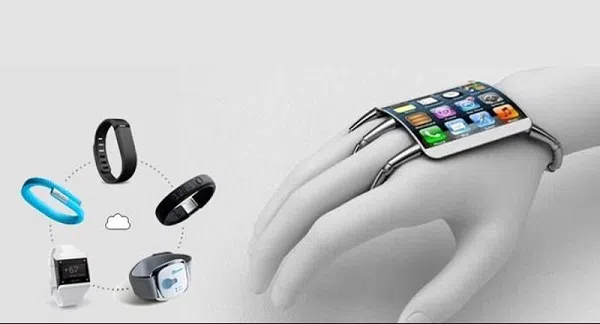
How to Interpret and Improve the Trustworthiness of Your Wearable’s Data
While no device is perfect, users can take several steps to maximize the reliability of their wearable’s measurements:
- Wear the Device Properly: Follow manufacturer instructions for placement and fit. A snug, comfortable fit usually yields the best results.
- Keep Sensors Clean: Regularly clean the underside of your device to ensure optimal contact with your skin.
- Update Firmware: Install updates promptly, as they may include improvements to data processing and sensor performance.
- Compare with Other Sources: When possible, validate your wearable’s readings against other trusted devices or manual measurements.
- Understand Limitations: Use wearables as a tool for tracking trends and patterns, not as a substitute for professional medical advice or diagnosis.
For those interested in the broader context of sensor reliability, the article on how PCBs are tested for reliability offers insights into the rigorous testing processes that underpin many electronic devices, including wearables.
Industry Standards and Ongoing Research in Wearable Technology
The field of wearable technology is evolving rapidly, with researchers and industry groups working to establish standards for data accuracy, privacy, and interoperability. Organizations such as the Consumer Technology Association (CTA) and the International Organization for Standardization (ISO) are developing guidelines to help manufacturers and consumers assess the reliability of wearable devices.
Academic studies continue to evaluate the performance of popular wearables under real-world conditions. For a deeper dive into the science and engineering behind these devices, explore this comprehensive overview of wearable technology research.
FAQ: Understanding Wearable Data and Its Reliability
How accurate are fitness trackers for counting steps?
Most modern fitness trackers are quite reliable for step counting during regular walking or running. However, their accuracy can decrease during activities that involve irregular arm movements or when pushing a stroller or shopping cart. For most users, step counts are a useful indicator of daily activity trends, but they should not be considered exact.
Can I trust my wearable’s heart rate readings during exercise?
Wearables generally provide accurate heart rate data during rest and moderate activity. During high-intensity workouts or when the device is not worn snugly, readings may become less reliable due to motion artifacts or poor skin contact. For critical health monitoring, medical-grade devices remain the gold standard.
Are wearables suitable for medical diagnosis?
Consumer wearables are designed for general wellness and activity tracking, not for diagnosing or treating medical conditions. While they can provide valuable insights and help users notice trends, any health concerns should be discussed with a healthcare professional who can interpret data in a clinical context.
