


Developing a new electronic device requires more than just a creative idea. The foundation of a successful launch lies in a well-crafted technical specification. This essential document bridges the gap between concept and production, ensuring that every stakeholder—from engineers to manufacturers—understands exactly what needs to be built and how it should function. Whether you are a startup founder, a product manager, or an engineer, understanding how to create and use a technical specification is crucial for minimizing risks, controlling costs, and delivering a reliable product to market.
In this article, we’ll break down the core elements of a technical specification for electronics, discuss best practices, and provide actionable tips to streamline your development process. For those interested in a deeper dive into the design journey, the electronic product design process steps article offers additional insights into the broader development workflow.
Why a Detailed Specification Is Essential
A comprehensive technical specification serves as the blueprint for your electronic product. It defines the product’s intended features, performance criteria, physical dimensions, compliance requirements, and more. By documenting these details early, you can:
- Reduce misunderstandings between teams and suppliers
- Minimize costly design changes during later stages
- Ensure regulatory compliance from the outset
- Streamline prototyping and manufacturing by providing clear instructions
Without a clear specification, projects often suffer from delays, increased costs, and products that fail to meet user expectations or regulatory standards.
Key Components of an Electronics Specification Document
While the structure of a technical specification may vary depending on the product and industry, certain elements are universally important. Here are the core sections to include:
1. Product Overview and Purpose
Start with a concise summary describing the product’s function, target users, and intended applications. This context helps all stakeholders understand the goals and constraints of the project.
2. Functional Requirements
List all essential functions the device must perform. This could include input/output operations, user interface details, connectivity options, and any specific modes of operation. Be as specific as possible—ambiguous requirements can lead to misinterpretation.
3. Electrical and Performance Specifications
This section should detail all electrical characteristics, such as:
- Operating voltage and current ranges
- Power consumption limits
- Signal types and levels
- Timing requirements
- Performance benchmarks (e.g., processing speed, sensor accuracy)
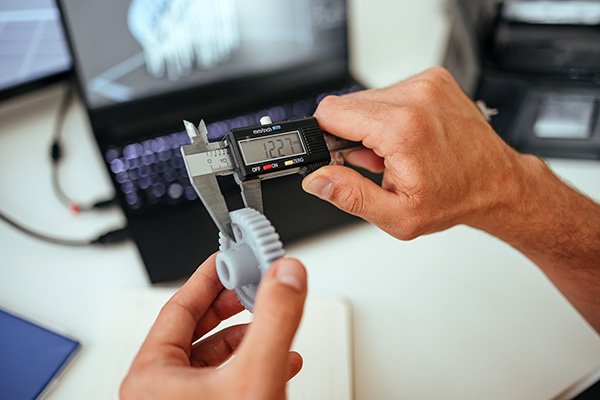
Providing precise values and tolerances is critical for engineers to design and test the product effectively.
4. Mechanical and Environmental Requirements
Define the physical attributes of the product, including:
- Dimensions and weight
- Material specifications
- Mounting or enclosure details
- Environmental conditions (temperature, humidity, vibration, ingress protection)
These details ensure the product will fit its intended environment and withstand real-world conditions.
5. Compliance and Certification Needs
Most electronic devices must meet specific regulatory standards, such as CE, FCC, RoHS, or UL. Clearly list all applicable certifications and testing requirements. This will guide design decisions and help avoid costly rework later.
6. Bill of Materials (BOM) and Component Choices
Include a preliminary list of key components, such as microcontrollers, sensors, connectors, and displays. Specify preferred part numbers, manufacturers, and acceptable alternatives if possible. This helps procurement teams source components efficiently and reduces the risk of supply chain disruptions.
7. Firmware, Software, and Connectivity
If your product includes embedded software or connects to other devices, outline the required features, supported protocols, and update mechanisms. This section should also cover security considerations and compatibility with existing systems.
Best Practices for Creating Effective Specifications
Crafting a robust technical specification is both an art and a science. Here are some practical tips to ensure your document is clear, actionable, and future-proof:
- Use clear, unambiguous language—avoid jargon unless it’s defined in a glossary.
- Include diagrams, tables, and reference images to clarify complex concepts.
- Version control your document to track changes and maintain alignment across teams.
- Solicit feedback from engineering, manufacturing, and quality assurance early in the process.
- Reference related documents, such as the electronic prototyping process guide, to provide additional context.
Common Pitfalls and How to Avoid Them
Even experienced teams can fall into traps when developing specifications. Here are some frequent mistakes and strategies to prevent them:
- Overlooking end-user needs: Always validate requirements with real users or stakeholders to ensure the product solves the intended problem.
- Vague or incomplete requirements: Specify measurable criteria wherever possible to avoid ambiguity.
- Ignoring manufacturability: Consult with manufacturing partners early to confirm that proposed designs are feasible and cost-effective.
- Neglecting compliance: Research and document all relevant standards and certifications before finalizing the design.
- Failing to update the specification: As the project evolves, keep the document current to reflect design changes and lessons learned.
Integrating Specifications into the Product Lifecycle
A technical specification is not a static document. It should evolve alongside your product, serving as a living reference throughout development, prototyping, testing, and manufacturing. Teams should revisit and update the specification at each major milestone, ensuring that it remains aligned with project goals and constraints.
For a broader perspective on how specifications fit into the overall development journey, explore resources like embedded systems product design services explained or learn about the benefits of electronic product design services.
Further Reading and Industry Resources
Staying up to date with industry best practices can help you refine your approach. For a comprehensive overview of the design process, check out this detailed guide to electronic product design from a leading industry expert.
Additionally, reviewing case studies and technical articles can provide valuable insights into real-world challenges and solutions.
Frequently Asked Questions
What is the main purpose of a technical specification in electronics?
The primary goal is to clearly define all requirements, features, and constraints for an electronic device. This ensures that everyone involved in the project—from design to manufacturing—has a shared understanding of what needs to be built and how it should perform.
How detailed should my specification be?
Aim for as much detail as necessary to eliminate ambiguity. Include precise measurements, tolerances, performance criteria, and references to standards. The more specific your document, the easier it will be for engineers and manufacturers to deliver a product that meets your expectations.
Can I update the specification after development has started?
Yes, and you should. As new information emerges or requirements change, update the specification to keep all teams aligned. Just be sure to track changes and communicate updates to everyone involved.
