

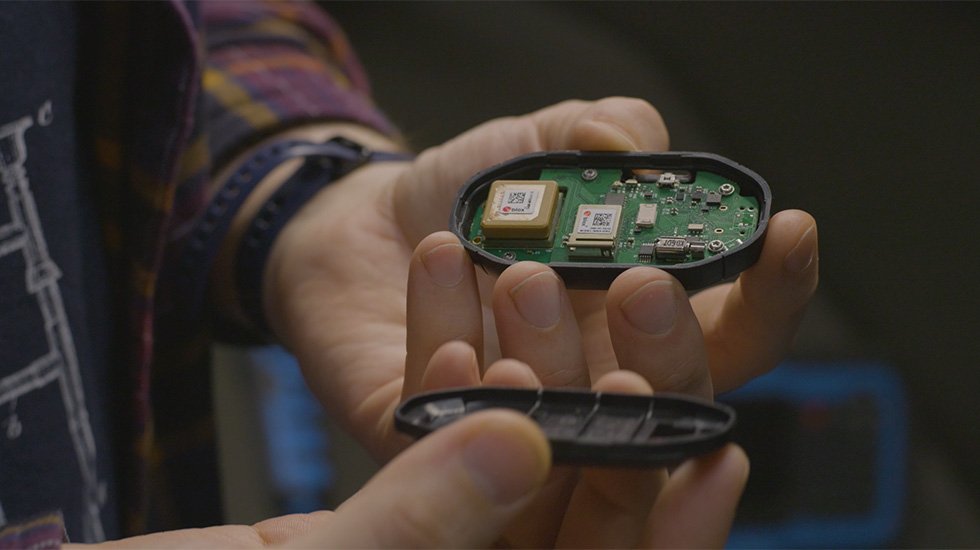
Developing a new electronic device involves far more than just a great idea and a schematic. Rigorous testing at each stage of the design process is essential to ensure reliability, safety, and market readiness. A structured approach to evaluating prototypes and final products helps teams catch issues early, reduce costly redesigns, and comply with industry standards. This guide provides a comprehensive overview of the essential steps and considerations for verifying electronic products before they reach the market.
For those interested in a deeper dive into the development journey, the electronic prototyping process guide offers a detailed look at how prototypes evolve into production-ready devices.
Why a Structured Testing Plan Matters
A well-defined verification process is crucial for any electronics project. Without a systematic approach, critical faults can slip through, leading to field failures, recalls, or non-compliance with regulations. By following a testing checklist for electronic product design, teams can ensure that every aspect of the device is scrutinized, from initial prototypes to final production units.
This approach not only enhances product quality but also streamlines communication among engineers, project managers, and stakeholders. It helps avoid redundant work and ensures that all requirements are met before launch.
Key Stages in Electronic Product Evaluation
Testing is not a single event but a series of evaluations conducted throughout the lifecycle of a project. Below are the main stages where a comprehensive checklist for electronic product design testing should be applied:
- Concept Validation: Early-stage feasibility checks and proof-of-concept builds.
- Prototype Testing: Functional and performance tests on initial hardware iterations.
- Pre-Production Verification: Compliance, safety, and reliability assessments before mass manufacturing.
- Production Testing: Quality control and batch sampling during manufacturing.
- Post-Production Monitoring: Ongoing evaluation of field performance and customer feedback.
Essential Elements of a Product Verification Checklist
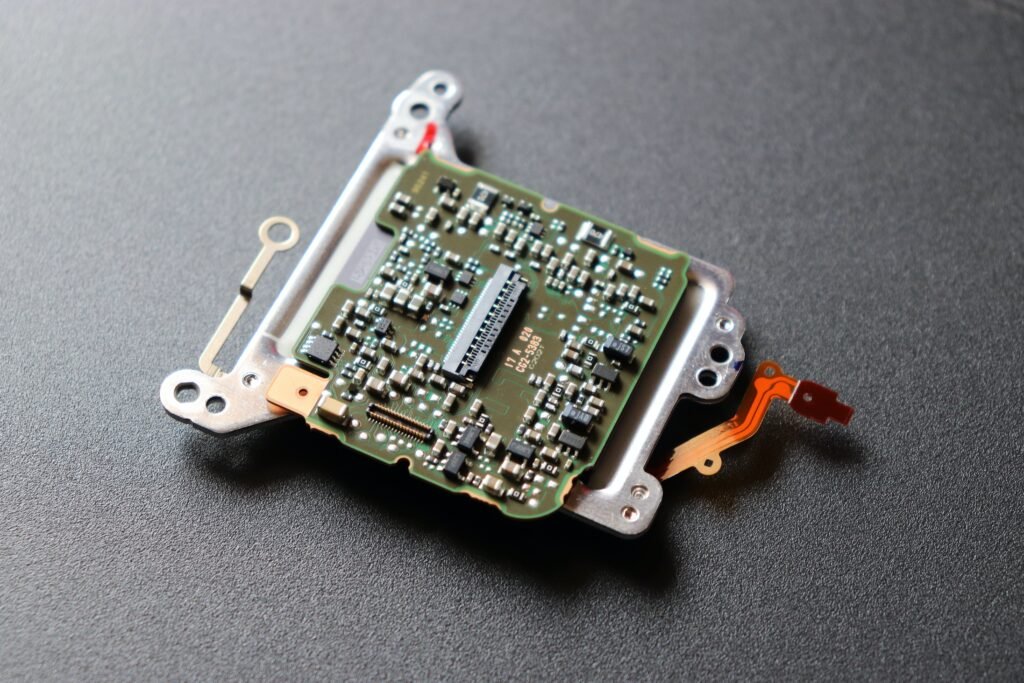
A robust electronic product design testing checklist covers a wide range of technical and regulatory considerations. The following sections outline the most critical areas to address:
1. Functional Testing
- Verify that all features operate as intended under normal and edge-case scenarios.
- Test user interfaces, connectivity, and power-up/down sequences.
- Check for correct responses to user inputs and error conditions.
2. Electrical and Performance Evaluation
- Measure voltage, current, and signal integrity at key points in the circuit.
- Assess timing, frequency response, and noise margins.
- Confirm that power consumption meets design specifications.
3. Environmental and Stress Testing
- Expose devices to temperature extremes, humidity, vibration, and shock.
- Conduct accelerated life tests to predict long-term reliability.
- Check for performance drift or failure under stress conditions.
4. Compliance and Safety Checks
- Ensure the product meets relevant standards (e.g., CE, FCC, RoHS).
- Test for electrical safety, including insulation, leakage, and grounding.
- Document all compliance results for certification purposes.
5. Firmware and Software Validation
- Verify embedded code functionality and robustness.
- Test for software bugs, memory leaks, and security vulnerabilities.
- Confirm firmware update mechanisms work as intended.
6. Mechanical and Physical Inspection
- Check enclosure fit, finish, and durability.
- Inspect solder joints, connectors, and mounting hardware.
- Test for ingress protection (IP rating) if required.
Best Practices for Implementing a Testing Checklist
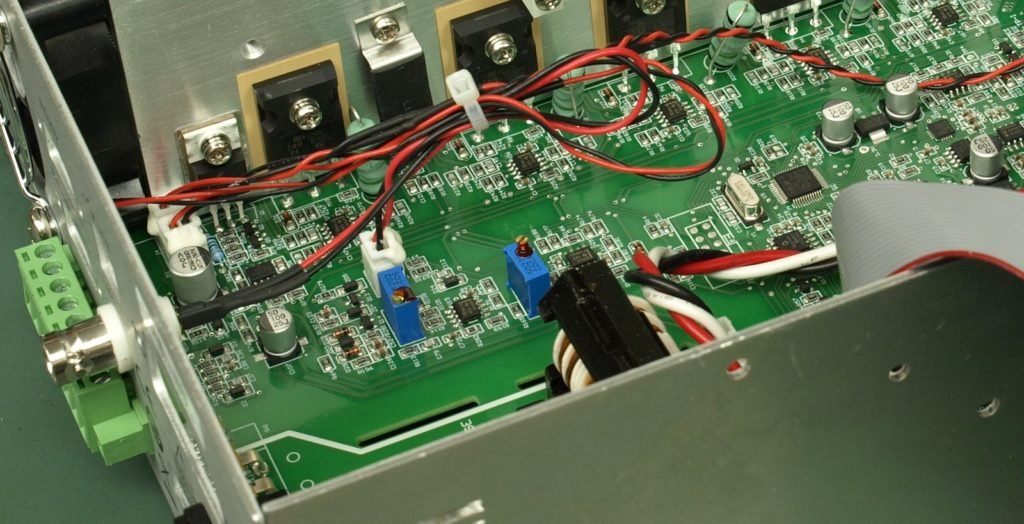
To maximize the effectiveness of your evaluation process, consider these practical tips:
- Document Everything: Keep detailed records of test procedures, results, and any deviations from expected outcomes.
- Automate Where Possible: Use automated test equipment to speed up repetitive checks and reduce human error.
- Iterate and Refine: Update your checklist as new issues are discovered or requirements change.
- Engage Cross-Functional Teams: Involve engineers from hardware, software, and manufacturing to ensure all perspectives are covered.
- Review Against Standards: Regularly compare your process with industry benchmarks and regulatory guidelines.
For more on how structured processes can improve outcomes, see the electronic product design process steps article, which outlines key phases from concept to production.
Common Pitfalls and How to Avoid Them
Even with a detailed plan, teams can encounter challenges. Some frequent issues include:
- Overlooking edge-case scenarios during functional evaluation.
- Insufficient documentation of test results, making troubleshooting difficult.
- Neglecting to update the checklist as the design evolves.
- Failing to test for compliance until late in the project, risking costly redesigns.
- Relying solely on manual inspection, which can miss subtle defects.
Addressing these pitfalls early can save time, reduce costs, and ensure a smoother path to market.
Resources for Further Learning
Staying current with best practices and standards is vital. For a broader perspective on the field, consider reading this comprehensive guide to electronic product design, which covers everything from ideation to manufacturing.
Additionally, exploring topics like embedded systems product design services explained and the benefits of electronic product design services can provide valuable context for teams aiming to optimize their workflows.
FAQ
What is the purpose of a testing checklist in electronics development?
A structured list ensures that every critical aspect of a device is evaluated before release. It helps teams systematically verify functionality, safety, compliance, and performance, reducing the risk of failures and costly recalls.
How often should a product be tested during development?
Testing should occur at multiple stages: during initial prototyping, after design changes, before mass production, and periodically during manufacturing. Ongoing field monitoring is also recommended to catch any post-launch issues.
What standards should be considered when testing electronic products?
The relevant standards depend on the product type and target market. Common benchmarks include CE, FCC, RoHS, and UL certifications. Reviewing these requirements early in the process helps ensure compliance and smooth certification.
