

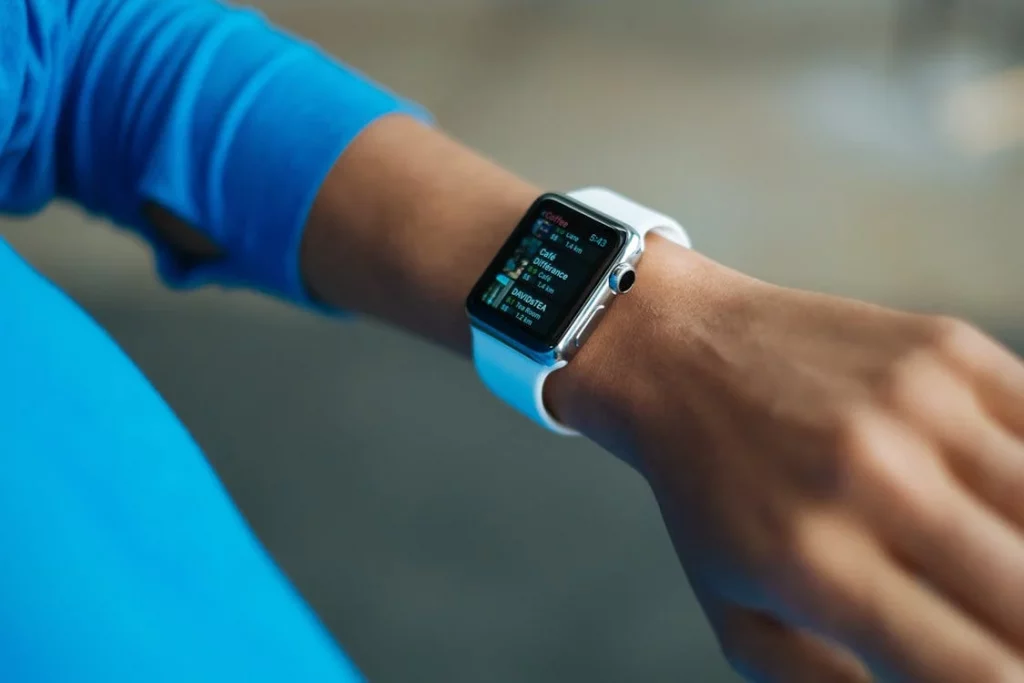
The landscape of wearable technology trends is evolving rapidly, bringing new possibilities to both consumers and businesses. From advanced health monitoring to seamless integration with smart environments, the latest developments in this sector are shaping the way people interact with technology in their daily lives. As innovation accelerates, understanding the direction of these advancements is essential for anyone interested in the future of connected devices.
For those exploring the technical side of wearables, it’s helpful to understand the native vs hybrid wearable apps debate, which can impact device performance and user experience. Keeping up with the most significant changes and emerging patterns in wearables can help businesses, developers, and consumers make informed decisions.
Health and Wellness: The Driving Force Behind Modern Wearables
One of the most prominent wearable technology trends is the focus on health and wellness. Modern devices do much more than count steps or track sleep—they now offer features such as ECG monitoring, blood oxygen measurement, and even stress detection. These capabilities are transforming wearables into essential health companions.
The integration of advanced sensors and artificial intelligence allows for more accurate and personalized health insights. Devices can now detect irregular heart rhythms, monitor glucose levels, and provide early warnings for potential health issues. This shift is not only empowering individuals to take control of their well-being but is also supporting healthcare professionals with real-time patient data.
Expanding Beyond Fitness: Wearables in Everyday Life
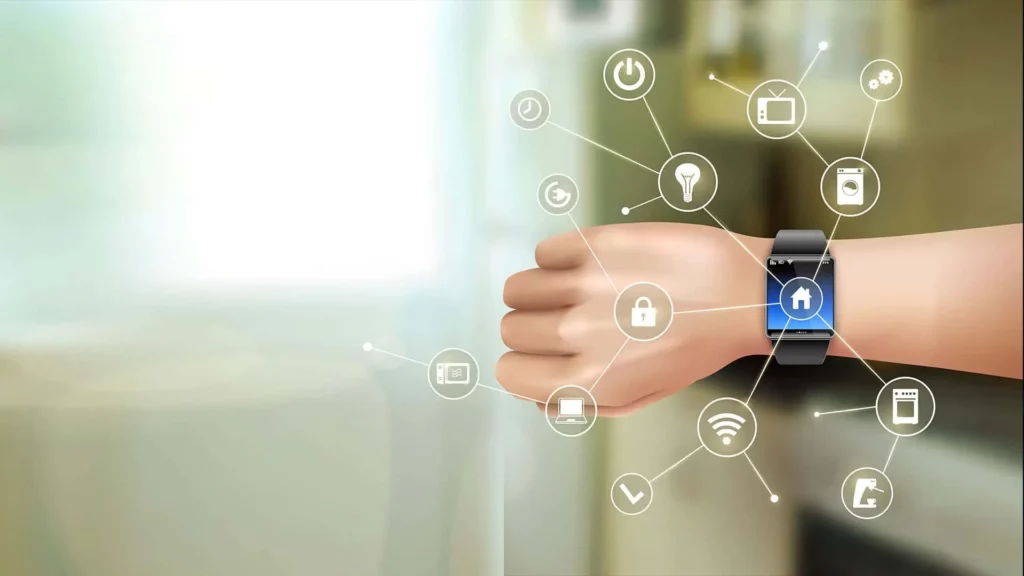
While fitness tracking remains a staple, the scope of wearable devices is expanding into new areas. Smartwatches and bands are now being used for contactless payments, navigation, and even as digital keys for smart homes and vehicles. The convenience of having essential tools on your wrist is driving adoption across different age groups and lifestyles.
In the workplace, wearables are being adopted for productivity and safety. For example, smart glasses can provide hands-free access to information for field workers, while location trackers can enhance safety in hazardous environments. This diversification is a clear sign that wearable devices are becoming integral to daily routines, not just fitness regimes.
New Materials and Designs: Comfort Meets Functionality
As technology becomes more personal, the design and materials used in wearables are evolving. Flexible displays, lightweight fabrics, and hypoallergenic materials are making devices more comfortable for all-day use. Fashion and technology are merging, with brands collaborating to create wearables that are both functional and stylish.
Customization is another growing trend. Users can now choose from a variety of bands, cases, and watch faces to suit their preferences. This focus on personalization is helping wearables appeal to a broader audience, making them as much a fashion statement as a tech accessory.
Connectivity and Ecosystem Integration
The ability of wearables to seamlessly connect with other devices and platforms is becoming increasingly important. Integration with smartphones, smart home systems, and cloud services allows users to access information and control devices from their wrists or even through smart clothing.
Platforms like Wear OS and watchOS are central to this connected experience. For a deeper understanding of these platforms, you can read about Wear OS explained or explore watchOS explained to see how these operating systems enhance device capabilities. As interoperability improves, users can expect more unified and intuitive experiences across their digital lives.
Security, Privacy, and Regulatory Considerations
As wearables collect more sensitive data, privacy and security are top concerns. Manufacturers are implementing stronger encryption, biometric authentication, and transparent data policies to protect users. Regulatory bodies are also stepping in to ensure that health-related devices meet strict standards for safety and accuracy.
Developers and businesses working in this space should stay informed about medical wearable regulations to ensure compliance and build trust with users. Transparency and user control over data are becoming key differentiators in the market.
Emerging Applications: Banking, Payments, and Beyond
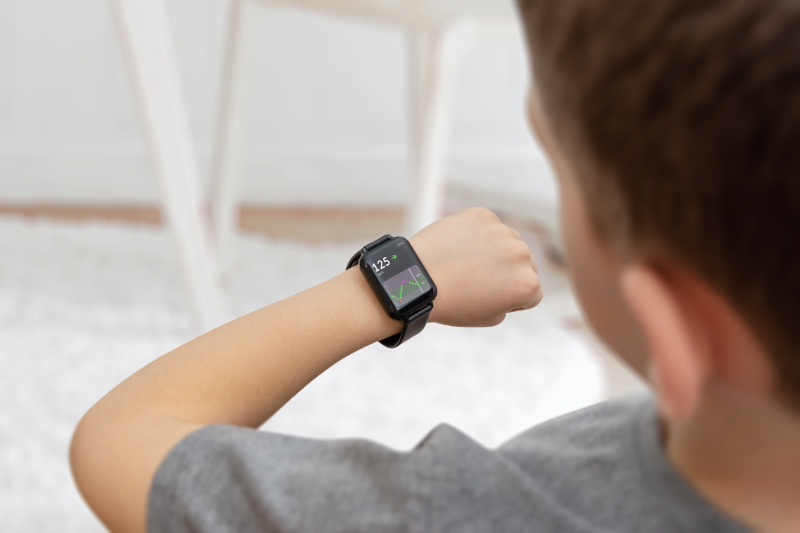
The use of wearables in financial services is gaining momentum. Contactless payments via smartwatches and fitness bands are becoming commonplace, offering users a secure and convenient way to make transactions. Banks and fintech companies are exploring new ways to leverage wearables for authentication and customer engagement.
Beyond payments, wearables are being used for secure access to buildings, ticketing for public transport, and even as digital IDs. These applications highlight the versatility of wearable devices and their potential to simplify everyday tasks.
AI and Machine Learning: Smarter, More Adaptive Devices
Artificial intelligence is playing a major role in the evolution of wearable technology. Devices are now capable of learning user habits, predicting needs, and offering proactive suggestions. For example, a smartwatch might recommend a breathing exercise when it detects elevated stress levels or suggest hydration reminders based on activity data.
Machine learning also enables wearables to provide more accurate health insights by analyzing large datasets and identifying patterns unique to each user. This personalized approach is setting a new standard for what users can expect from their devices.
Challenges and Opportunities for the Future
Despite the rapid growth, there are challenges to address. Battery life, device interoperability, and data privacy remain ongoing concerns. However, advancements in low-power processors, improved connectivity standards, and robust security protocols are paving the way for the next generation of wearables.
As the market matures, opportunities for innovation abound. Developers can explore the difference between firmware and software in wearables to optimize performance and deliver unique features. Businesses that prioritize user needs and adapt to changing expectations will be well-positioned to thrive in this dynamic sector.
Learning More About the Wearable Tech Landscape
For those interested in a deeper dive into the fundamentals, this comprehensive overview of wearable technology provides valuable context on the history, types, and uses of these devices. Staying informed about the latest research and industry developments is crucial for anyone looking to stay ahead in this fast-moving field.
FAQ: Common Questions About Wearable Tech Developments
What are the most important features to look for in modern wearables?
Key features include accurate health monitoring (such as heart rate and blood oxygen tracking), long battery life, water resistance, and seamless integration with other devices. Security features and user-friendly interfaces are also increasingly important.
How are wearables impacting healthcare?
Wearables are enabling real-time health monitoring, early detection of medical conditions, and remote patient management. These devices support preventive care and can help healthcare professionals make more informed decisions with continuous data.
Are there privacy risks associated with wearable devices?
Yes, since wearables collect sensitive personal data, privacy is a significant concern. Users should look for devices with strong encryption, transparent data policies, and options to control what information is shared. Manufacturers are increasingly focused on enhancing privacy protections.
