

The rapid evolution of wearable technology is transforming how people interact with digital devices, monitor health, and manage daily activities. From smartwatches and fitness trackers to advanced medical sensors, these compact devices are becoming an integral part of modern life. As innovation accelerates, the landscape of wearables is set to change dramatically in the coming years, impacting industries from healthcare to entertainment.
Understanding the direction of this field is crucial for consumers, developers, and businesses alike. Whether you’re interested in the latest health monitoring gadgets or the integration of wearables with other smart devices, this article provides a comprehensive overview of where these technologies are headed. For those curious about the technical side, you can also explore how wearable apps communicate with smartphones to see how these devices interact with mobile ecosystems.
Emerging Trends Shaping Wearable Devices
The next generation of wearable devices is being shaped by several key trends. These include miniaturization, improved battery life, and the integration of artificial intelligence. As components become smaller and more energy-efficient, manufacturers can design wearables that are lighter, more comfortable, and capable of running complex applications.
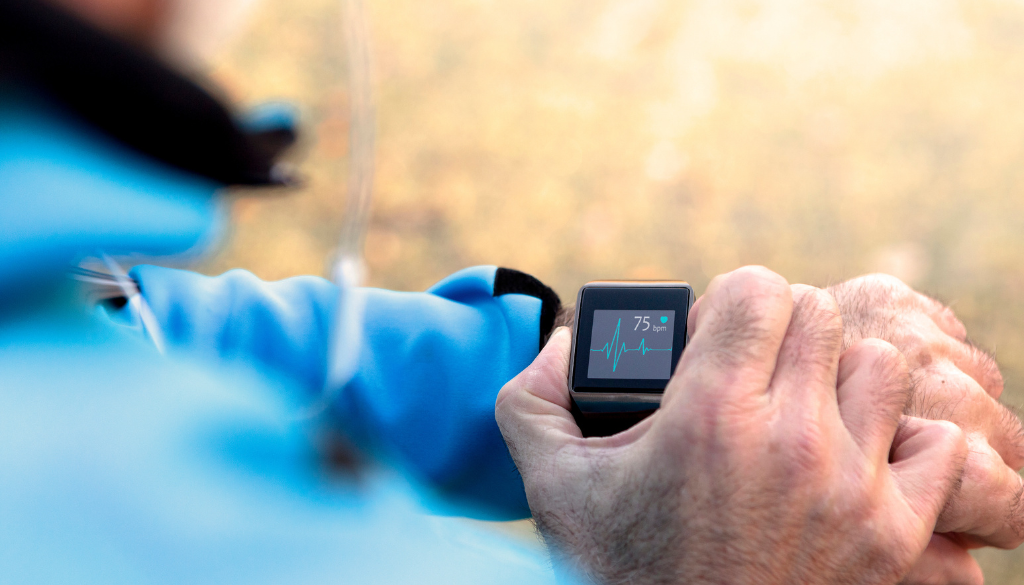
Artificial intelligence is enabling wearables to offer more personalized experiences. For example, AI-powered fitness trackers can analyze user data to provide tailored workout recommendations, while smartwatches can detect irregular heart rhythms and alert users in real time. The combination of AI and advanced sensors is also paving the way for proactive health management and early detection of medical conditions.
Healthcare and Medical Applications of Next-Gen Wearables
One of the most significant impacts of the future of wearable technology will be in healthcare. Devices are moving beyond simple step counting and heart rate monitoring to offer advanced features such as blood glucose tracking, ECG analysis, and even blood pressure measurement. These innovations are empowering patients to take a more active role in managing their health and providing clinicians with valuable real-time data.
Regulatory frameworks are evolving to keep pace with these advancements. For those interested in the legal and compliance side, consider reading about medical wearable regulations to understand the requirements for bringing such products to market.
The integration of wearables with telemedicine platforms is another major development. Patients can now share health metrics directly with their doctors, enabling remote consultations and continuous care. This is particularly valuable for managing chronic conditions and supporting elderly populations who may have limited mobility.
Expanding Use Cases: Beyond Health and Fitness
While health and fitness remain central, the scope of wearables is expanding into new domains. In the workplace, smart glasses and augmented reality headsets are being used for hands-free training, remote assistance, and workflow optimization. In entertainment, wearables are enhancing gaming experiences by providing haptic feedback and immersive controls.
Payment systems are also being integrated into wearables, allowing users to make contactless transactions with a tap of their wrist. These developments highlight the versatility of wearable devices and their potential to streamline everyday tasks.

Privacy, Security, and Ethical Considerations
As wearables collect increasing amounts of sensitive personal data, privacy and security are becoming top concerns. Manufacturers are investing in encryption, secure data storage, and user authentication to protect information from unauthorized access. Users should be aware of the permissions they grant and regularly update device software to mitigate risks.
Ethical considerations also come into play, especially when it comes to data ownership and consent. Transparency about how data is used and shared is essential for building trust. For a deeper understanding of the basics, you can refer to this comprehensive introduction to wearable technology.
Integration With Smart Ecosystems and IoT
The future of wearables is closely tied to the broader Internet of Things (IoT). Devices are increasingly designed to communicate seamlessly with smartphones, smart home systems, and even vehicles. This interconnectedness allows for new functionalities, such as controlling home appliances from a smartwatch or receiving health alerts on multiple platforms.
Operating systems like Wear OS and watchOS are playing a pivotal role in this integration. For those interested in the technical underpinnings, you can learn more about watchOS explained and Wear OS explained to see how these platforms enable rich app experiences and connectivity.
Challenges and Opportunities Ahead
Despite the exciting prospects, several challenges remain. Battery life, device durability, and interoperability between different brands and platforms are ongoing issues. Developers and manufacturers are working to address these limitations through innovations in materials, wireless charging, and standardized protocols.
At the same time, opportunities abound. The growing adoption of wearables in developing regions, the use of biosensors for early disease detection, and the potential for personalized digital assistants are just a few areas where significant growth is expected. As technology matures, wearables will likely become even more embedded in daily routines, offering benefits that extend well beyond current capabilities.
Frequently Asked Questions
What are the main benefits of next-generation wearable devices?
Modern wearables offer more than just fitness tracking. They provide advanced health monitoring, seamless integration with other smart devices, and features like contactless payments and real-time notifications. These benefits help users stay connected, manage their health proactively, and simplify daily tasks.
How is data privacy handled in wearable technology?
Data privacy is a top priority for wearable manufacturers. Devices use encryption and secure storage to protect user information. Users should regularly update their devices and review privacy settings to ensure their data remains secure. Transparency about data usage and obtaining user consent are also critical components of responsible wearable technology.
Will wearables replace smartphones in the future?
While wearables are becoming more capable, they are unlikely to fully replace smartphones in the near future. Instead, they will complement smartphones by offering convenient, hands-free access to essential information and controls. The two technologies will continue to evolve together, with wearables serving as an extension of the mobile ecosystem.
