

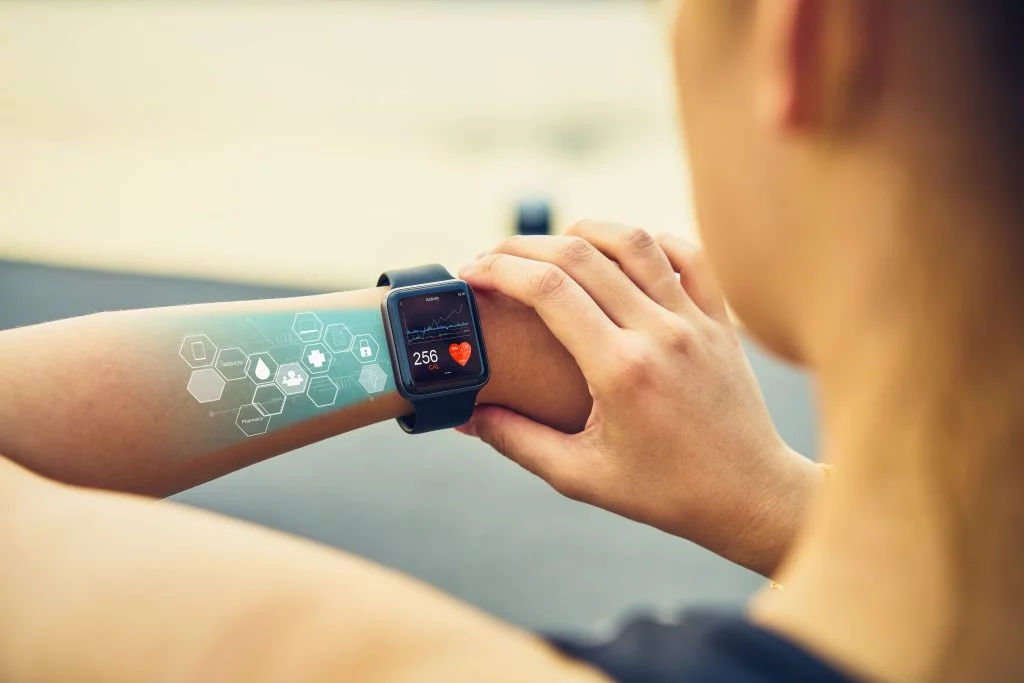
The rapid evolution of wearable devices—such as smartwatches, fitness trackers, and health monitors—has brought battery innovation into sharp focus. As these compact gadgets become more powerful and feature-rich, the demand for efficient, long-lasting, and safe power sources has never been higher. Understanding battery technology for wearables is essential for anyone interested in how these devices work, what limits their performance, and what the future holds for truly mobile, always-on electronics.
From energy density and charging speed to safety and miniaturization, the batteries inside wearables are a critical factor shaping user experience and product design. This article breaks down the main battery types, their unique challenges, and the latest trends driving innovation in this space.
For a deeper look at the hardware inside these devices, you might also be interested in wearable hardware components, which explores the sensors, chips, and other elements that work alongside the battery to power your favorite wearables.
Why Power Sources Matter in Wearable Devices
The success of any wearable device depends heavily on its battery. Unlike smartphones or laptops, wearables are constrained by size, weight, and comfort. Users expect days—or even weeks—of operation on a single charge, all while the device remains lightweight and unobtrusive.
Key requirements for batteries in this context include:
- High energy density for longer runtimes in small packages
- Fast and safe charging to minimize downtime
- Flexible form factors to fit unique device shapes
- Reliability and safety for use against the skin and during activity
These demands drive ongoing research and development in battery technology for wearables, pushing manufacturers to balance power, safety, and design.
Types of Batteries Used in Wearable Electronics
Several battery chemistries are used in wearables, each with its own advantages and trade-offs. The most common options include:
Lithium-Ion (Li-ion) and Lithium-Polymer (LiPo) Cells
Lithium-ion and lithium-polymer batteries dominate the wearable market due to their high energy density and relatively light weight. LiPo variants, in particular, offer flexibility in shape and thickness, making them ideal for slim or curved devices.
- Pros: High capacity, lightweight, rechargeable, customizable shapes
- Cons: Sensitive to overcharging, require protection circuits, can degrade over time

Coin Cell and Button Cell Batteries
Many ultra-compact wearables, such as fitness bands and medical sensors, use coin cell or button cell batteries. These are typically non-rechargeable but provide a long shelf life and are easy to replace.
- Pros: Small, lightweight, long-lasting in low-power devices
- Cons: Limited capacity, not rechargeable, environmental disposal concerns
Emerging Battery Innovations
Researchers are exploring new materials and designs to push the boundaries of battery technology for wearables. Some promising directions include:
- Solid-state batteries: Offer improved safety and energy density by replacing liquid electrolytes with solid materials.
- Flexible and stretchable batteries: Enable integration into textiles or curved surfaces, opening up new form factors.
- Microbatteries: Tiny, high-performance cells for ultra-miniaturized electronics.
- Energy harvesting: Techniques such as solar, thermal, or kinetic energy capture to supplement or replace traditional batteries.
Challenges in Powering Wearable Devices
Despite advances, powering wearables remains a balancing act. Some of the main challenges include:
- Limited space: Batteries must fit into ever-smaller devices without sacrificing capacity.
- Thermal management: Preventing overheating is crucial for safety and comfort, especially during charging or heavy use.
- Longevity: Batteries should retain performance over hundreds of charge cycles, ideally lasting the lifetime of the device.
- Environmental impact: Disposal and recycling of batteries, especially non-rechargeable types, present sustainability concerns.
These factors influence design choices and often require trade-offs between battery life, device features, and overall user experience.
Recent Trends and Future Directions
The future of wearable power is shaped by both consumer expectations and technological breakthroughs. Some notable trends include:
- Fast charging: New chemistries and charging protocols reduce downtime, making wearables more convenient.
- Wireless charging: Inductive and resonant charging pads eliminate the need for physical connectors, improving water resistance and ease of use.
- Integration with device design: Batteries are increasingly being shaped to fit around other components, maximizing available space.
- Smart power management: Advanced microcontrollers and sensors optimize energy use, extending runtime without increasing battery size. For more on this, see our article on microcontrollers used in wearables.

As the industry moves forward, we can expect even more creative solutions, such as batteries that double as structural elements or energy harvesting systems that reduce reliance on traditional charging altogether.
How Battery Choices Impact User Experience
The type of battery and its management system directly affect how people use wearables. Key aspects influenced by battery technology include:
- Device runtime: Longer battery life means less frequent charging and more continuous use.
- Form factor: Thinner, lighter batteries enable sleeker, more comfortable designs.
- Safety: Robust battery management protects users from overheating or leaks, which is especially important for devices worn against the skin.
- Charging convenience: Features like fast or wireless charging enhance usability and encourage regular device use.
Ultimately, the right battery solution can make the difference between a wearable that fits seamlessly into daily life and one that frustrates users with frequent charging or discomfort.
FAQ: Battery Technology in Wearables
What is the average battery life of a typical wearable device?
Most smartwatches and fitness trackers offer between 1 and 7 days of battery life, depending on their features, display type, and battery capacity. Simpler devices with fewer sensors can last even longer, while advanced models with continuous health monitoring or GPS may require daily charging.
Are there safety concerns with wearable batteries?
Modern wearables use multiple safety features, such as thermal sensors and protective circuits, to prevent overheating, overcharging, or short circuits. However, it’s important to use manufacturer-approved chargers and avoid exposing devices to extreme temperatures to minimize risks.
Will future wearables use different battery technologies?
Yes, ongoing research is likely to introduce new battery types, such as solid-state, flexible, or energy-harvesting cells. These innovations could lead to longer runtimes, safer operation, and new device designs that are thinner, lighter, or even integrated into clothing.
Further Reading and Resources
To understand how wearables are changing daily life, see this overview on how wearable technology is changing our life. For a broader introduction to the field, our guide on what is wearable technology covers definitions, examples, and benefits.
As battery technology continues to advance, wearables will become even more capable, comfortable, and integrated into our routines. Staying informed about these trends can help users, developers, and businesses make better decisions about the devices they choose or create.
