

Effective troubleshooting and quality assurance in electronics manufacturing depend on a systematic approach to identifying and resolving issues. ISO root cause analysis electronics testing is a structured methodology that helps organizations pinpoint the underlying causes of failures or defects in electronic products, ensuring long-term reliability and compliance with international standards. This article explores how ISO-based root cause analysis integrates with electronics testing, the benefits it brings, and practical steps for implementation.
Manufacturers and quality engineers face increasing pressure to deliver reliable products while minimizing risk and nonconformance. Leveraging ISO methodologies for root cause analysis in electronics testing not only improves product quality but also supports compliance efforts and reduces costly recalls. For organizations seeking to strengthen their risk management strategies, resources such as the ISO compliance risk reduction electronics guide provide additional insights into building robust quality systems.
Understanding ISO-Based Root Cause Analysis in Electronics
Root cause analysis (RCA) is a problem-solving process used to identify the fundamental source of a defect or failure. When applied within the framework of ISO standards—such as ISO 9001 for quality management or ISO 14001 for environmental management—RCA becomes a critical tool for continuous improvement and compliance in electronics manufacturing.
In the context of electronics, RCA is often triggered by test failures, customer complaints, or internal audits. The process involves:
- Collecting and analyzing data from failed tests or defective units
- Tracing issues to their origin, whether in design, materials, assembly, or environmental factors
- Implementing corrective actions to prevent recurrence
ISO standards require organizations to document these processes, ensuring traceability and accountability throughout the product lifecycle. This structured approach not only resolves immediate issues but also supports long-term quality objectives.
Key Steps in ISO Root Cause Analysis for Electronics Testing
Applying ISO root cause analysis electronics testing involves several well-defined steps. Each phase is essential for uncovering the real cause of a problem and ensuring that corrective actions are both effective and sustainable.
- Problem Definition: Clearly describe the failure or defect, including when and where it was detected. Use test data, inspection reports, and customer feedback to build a complete picture.
- Data Collection: Gather all relevant information, such as test results, process records, and environmental data. This may include reviewing production logs, component traceability, and previous corrective actions.
- Analysis Techniques: Use structured tools like the “5 Whys,” fishbone diagrams (Ishikawa), or failure mode and effects analysis (FMEA) to systematically explore possible causes. These methods help teams move beyond symptoms to root causes.
- Verification: Test hypotheses by replicating failures or conducting additional experiments. This step ensures that the identified cause truly explains the observed issue.
- Corrective Action: Develop and implement solutions that address the root cause. This may involve process changes, supplier adjustments, design modifications, or enhanced testing protocols.
- Documentation and Review: Record findings, actions taken, and results. Review effectiveness over time to confirm that the problem does not recur.
Following these steps aligns with ISO requirements for continual improvement and risk reduction, supporting both compliance and customer satisfaction.
Common Testing Methods Used in Electronics RCA
Identifying the source of electronic failures relies on a variety of testing methods. Each technique provides unique insights into different failure modes and helps isolate the true cause of defects.
- Functional Testing: Verifies that electronic assemblies perform as intended under normal operating conditions.
- In-Circuit Testing (ICT): Checks for component placement, solder joint integrity, and electrical connectivity on printed circuit boards (PCBs).
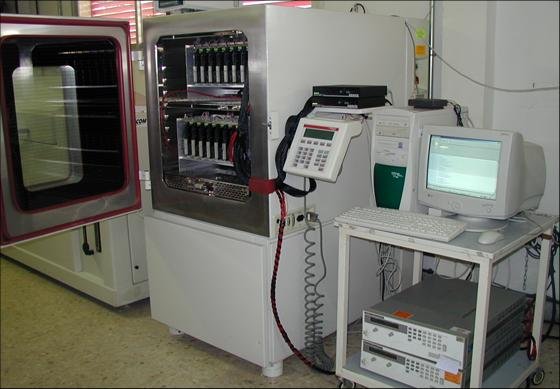
- Environmental Stress Testing: Subjects products to temperature, humidity, vibration, or other environmental factors to reveal latent defects.
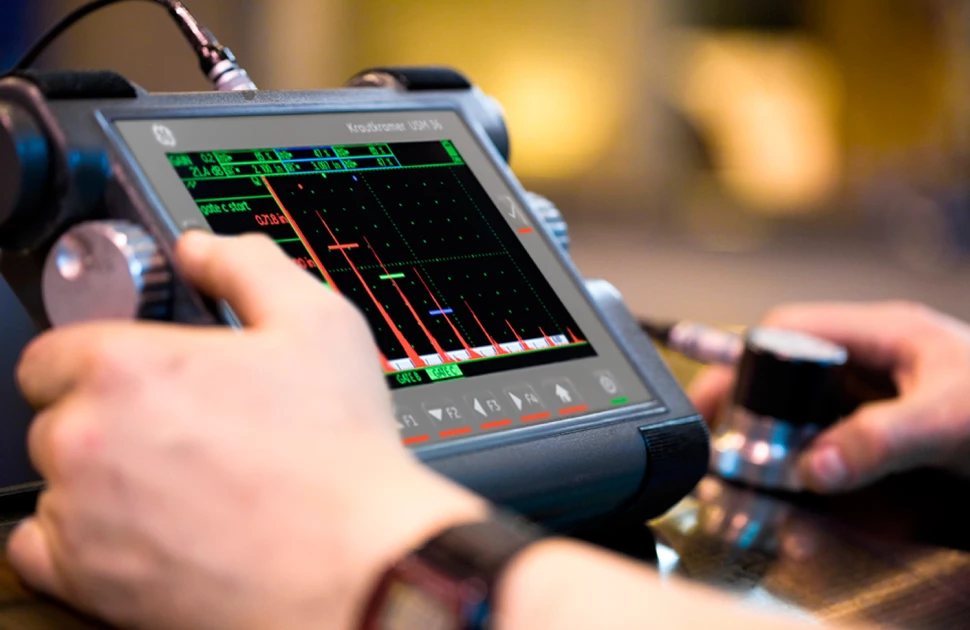
- Non-Destructive Testing (NDT): Techniques such as X-ray inspection or eddy current testing detect internal flaws without damaging the unit.
- Failure Analysis: Involves physical disassembly and microscopic examination to identify material or manufacturing defects.
Combining these methods with structured RCA ensures that both obvious and hidden issues are addressed, reducing the risk of future failures.
Benefits of ISO-Compliant Root Cause Analysis in Electronics
Integrating ISO root cause analysis electronics testing into quality management systems delivers several key advantages:
- Improved Product Reliability: Systematic identification and elimination of root causes lead to more robust and dependable electronic products.
- Regulatory and Standards Compliance: Adhering to ISO requirements demonstrates commitment to quality and can simplify audits or certifications.
- Reduced Costs: Preventing recurring issues minimizes scrap, rework, warranty claims, and costly recalls.
- Enhanced Customer Satisfaction: Reliable products and transparent problem-solving processes build trust with customers and partners.
- Continuous Improvement: Documented RCA processes support ongoing learning and process optimization.
For manufacturers seeking to deepen their understanding of risk management and corrective actions, the risk management ISO electronics testing explained resource offers practical guidance on integrating these principles into daily operations.
Challenges and Best Practices in Electronics Testing and RCA
While the benefits of ISO-based root cause analysis are clear, organizations often encounter challenges in implementation. Common obstacles include incomplete data, lack of cross-functional collaboration, and insufficient documentation. To overcome these issues, consider the following best practices:
- Foster a Culture of Openness: Encourage team members to share information and insights without fear of blame.
- Invest in Training: Equip staff with the skills and tools needed for effective RCA, including familiarity with ISO standards and testing techniques.
- Standardize Documentation: Use templates and checklists to ensure consistency and traceability in RCA reports.
- Leverage Technology: Implement data analytics, automated test systems, and digital traceability to streamline analysis and reporting.
- Review and Audit: Regularly assess the effectiveness of RCA processes and update procedures based on lessons learned.
Learning from industry peers can also be valuable. For example, organizations with experience in ISO 14001 can offer insights into integrating environmental considerations with electronics testing. See how manufacturers benefit from this approach in the importance of ISO 14001 experience for electronics manufacturers.
Integrating Root Cause Analysis with Corrective Action and Risk Management
Root cause analysis is most effective when integrated with broader quality and risk management strategies. ISO standards emphasize the need for a closed-loop system where findings from RCA drive corrective actions, which are then monitored for effectiveness. This approach ensures that improvements are sustained over time and that new risks are proactively identified and mitigated.
Manufacturers can further enhance their quality systems by referencing resources such as the ISO corrective action electronics testing guide and the nonconformance ISO electronics testing process. These guides provide practical steps for linking RCA outcomes with corrective and preventive action (CAPA) programs, ensuring that lessons learned translate into lasting improvements.
FAQ: ISO Root Cause Analysis and Electronics Testing
What is the main goal of root cause analysis in electronics manufacturing?
The primary objective is to identify the underlying source of failures or defects, enabling organizations to implement corrective actions that prevent recurrence and improve product reliability.
How does ISO compliance enhance the effectiveness of electronics testing?
ISO standards provide a structured framework for documentation, traceability, and continual improvement. This ensures that testing processes are consistent, repeatable, and aligned with industry best practices.
Which testing methods are most useful for root cause analysis in electronics?
Commonly used methods include functional testing, in-circuit testing, environmental stress testing, non-destructive testing, and detailed failure analysis. The choice depends on the nature of the defect and the stage of production.
How can manufacturers ensure that corrective actions are effective?
By monitoring the results of implemented solutions over time, reviewing process data, and conducting follow-up audits, organizations can confirm that the root cause has been addressed and that similar issues do not recur.
Conclusion
Adopting ISO root cause analysis electronics testing practices enables electronics manufacturers to systematically resolve problems, enhance product quality, and maintain compliance with international standards. By combining robust testing methods with structured analysis and continuous improvement, organizations can reduce risk, control costs, and deliver reliable products to the market. For those seeking to further strengthen their quality management systems, exploring resources like the quality risk assessment electronics ISO guide can provide valuable direction for ongoing improvement.
