

Understanding mean time between failure testing explained is essential for anyone involved in designing, manufacturing, or maintaining electronic devices. This reliability metric helps engineers and quality assurance teams predict how long a product will operate before it is likely to fail. By analyzing these patterns, manufacturers can improve product quality, reduce warranty costs, and ensure customer satisfaction.
In the electronics industry, reliability is a top priority. Devices are expected to perform consistently in a variety of environments, from consumer gadgets to industrial equipment. Knowing how to assess and interpret failure rates allows organizations to make informed decisions about product design, maintenance schedules, and compliance with industry standards. For those interested in related testing methods, you may also want to explore IP rating testing ISO standards explained for insights on environmental protection.
What Is Mean Time Between Failure?
Mean time between failure (MTBF) is a statistical measure used to estimate the average time a device or component operates before experiencing a failure. It is especially relevant for repairable systems, such as electronic assemblies, where failed components can be replaced or repaired. MTBF is typically expressed in hours and calculated using data from controlled testing or field performance.
The formula for MTBF is straightforward:
MTBF = Total Operating Time / Number of Failures
For example, if a batch of circuit boards operates for a combined 10,000 hours and experiences 5 failures, the MTBF would be 2,000 hours. This value helps manufacturers and users predict service intervals and plan maintenance.
Why MTBF Matters in Electronics
Reliability is a critical consideration in electronics, where even a single failure can have significant consequences. MTBF testing provides valuable insights for several reasons:
- Product Development: Engineers use MTBF to identify weak points in a design and make improvements before mass production.
- Quality Assurance: Manufacturers rely on MTBF data to ensure products meet reliability standards and customer expectations.
- Maintenance Planning: Service teams use MTBF to schedule preventive maintenance and reduce unexpected downtime.
- Compliance: Many industries require products to meet specific reliability metrics for certification or regulatory approval.
For companies exporting electronics globally, understanding reliability metrics is as important as meeting climate testing electronics ISO requirements.
How Is MTBF Testing Performed?
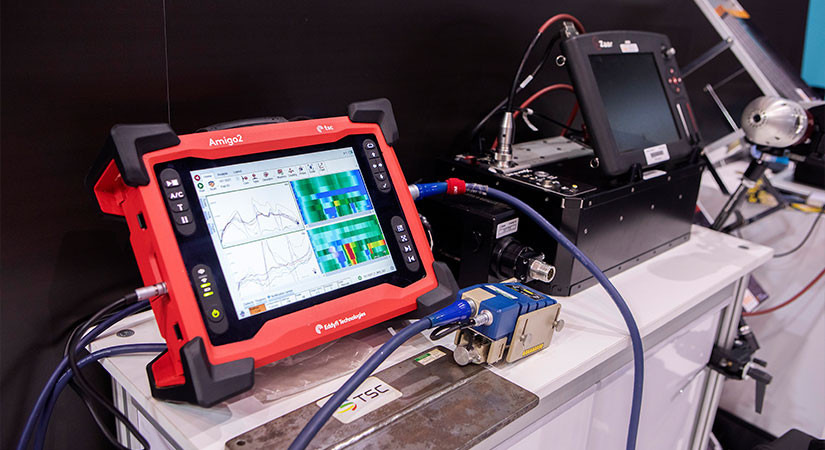
Mean time between failure testing explained involves a combination of laboratory experiments, accelerated life tests, and field data collection. The process typically includes the following steps:
- Sample Selection: A representative batch of products is chosen for testing. This ensures that the results reflect the performance of the entire production run.
- Test Setup: Devices are operated under controlled conditions, often simulating real-world usage. Environmental factors such as temperature, humidity, and vibration may be introduced to accelerate failures.
- Data Collection: Testers record the time to failure for each unit. In some cases, failures are repaired, and the device is returned to service to continue accumulating operating hours.
- Analysis: The data is analyzed to calculate the average time between failures. Statistical methods may be used to account for censored data (units that have not failed by the end of the test).
Accelerated life testing is a common approach, where products are subjected to harsher conditions than normal to induce failures more quickly. This allows manufacturers to estimate MTBF in a shorter timeframe.
Interpreting MTBF Results
An MTBF value provides a statistical average, not a guarantee that every unit will last exactly that long. For example, an MTBF of 10,000 hours means that, on average, one failure can be expected for every 10,000 hours of operation. Some units may fail sooner, while others last much longer.
It is important to understand that MTBF is most meaningful when comparing similar products or tracking improvements over time. It should not be confused with the expected lifespan of a single device, especially in non-repairable systems.
Manufacturers often use MTBF data alongside other reliability metrics, such as mean time to repair (MTTR) and failure rate, to gain a comprehensive view of product performance. For a broader perspective on durability, see the environmental durability electronics testing guide.
Common Challenges and Limitations
While MTBF is a valuable tool, it is not without limitations. Some of the most common challenges include:
- Assumptions of Random Failure: MTBF calculations often assume that failures occur randomly and independently. In reality, some failures may be due to design flaws or manufacturing defects that affect multiple units.
- Accelerated Testing vs. Real-World Use: Laboratory tests may not perfectly replicate the stresses experienced in actual operation, leading to discrepancies between predicted and observed failure rates.
- Sample Size: Small sample sizes can result in unreliable MTBF estimates. Larger datasets provide more accurate and meaningful results.
- Repairable vs. Non-Repairable Systems: MTBF is best suited for systems that can be repaired after failure. For non-repairable products, metrics like mean time to failure (MTTF) are more appropriate.
Despite these challenges, MTBF remains a widely used and trusted metric in the electronics industry, especially when combined with other testing and quality assurance methods.
Best Practices for MTBF Testing in Electronics
To maximize the value of mean time between failure testing, organizations should follow these best practices:
- Use Representative Samples: Select test units that accurately reflect the production process and materials.
- Simulate Real-World Conditions: Incorporate environmental factors such as temperature, humidity, and vibration to mimic actual usage scenarios.
- Document All Failures: Record not only the time to failure but also the cause and mode of failure for each unit.
- Combine with Other Tests: Use MTBF data alongside results from shock testing electronics ISO methods and mechanical testing to gain a comprehensive view of product reliability.
- Review and Update Regularly: Reassess MTBF as designs, materials, or manufacturing processes change.
Following these guidelines helps ensure that MTBF results are accurate, actionable, and relevant to both manufacturers and end users.
MTBF and Industry Standards
Many industries require electronic products to meet specific reliability standards, often defined by international organizations such as ISO, IEC, or MIL-STD. MTBF testing is frequently a component of these standards, ensuring that products are suitable for critical applications in fields like aerospace, medical devices, and telecommunications.
Traceability and certification are also important. For more on this topic, see why ISO certifications still matter for traceability in electronics.
Frequently Asked Questions
How does MTBF differ from MTTF?
MTBF (mean time between failure) applies to repairable systems, where failed components can be fixed and returned to service. MTTF (mean time to failure) is used for non-repairable items, measuring the average time until a product fails permanently.
Is a higher MTBF always better?
A higher MTBF generally indicates greater reliability, but it should be interpreted in context. Factors such as application, environment, and maintenance practices also affect overall performance and suitability.
Can MTBF predict individual product lifespan?
No, MTBF provides a statistical average across many units. It does not guarantee that any single device will last exactly as long as the calculated MTBF. Individual lifespans may vary significantly.
