

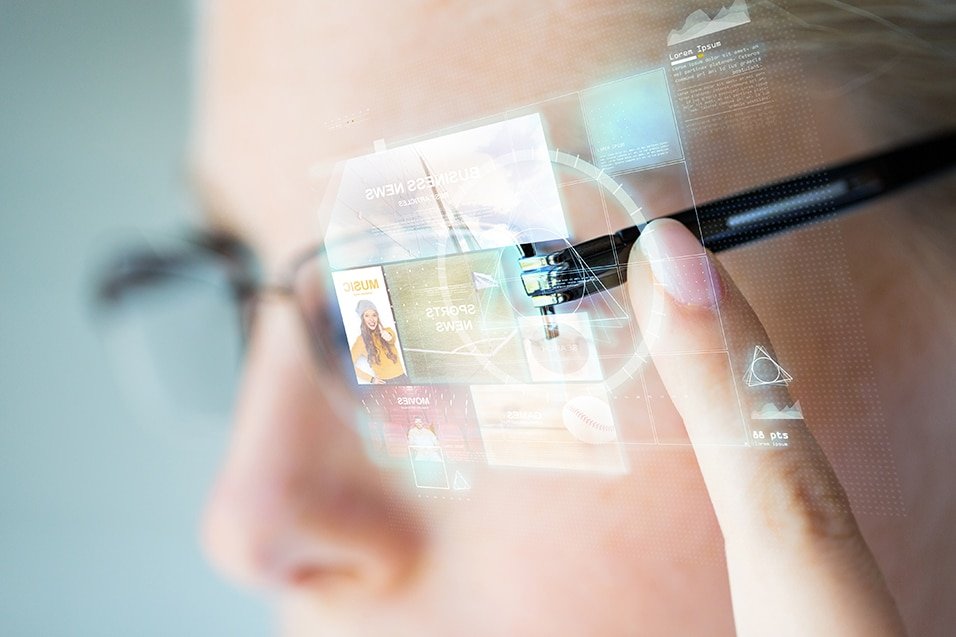
AI in wearable technology is transforming how people interact with devices on a daily basis. From smartwatches that monitor your heart rate to fitness trackers that analyze sleep patterns, artificial intelligence is driving a new era of personalized, data-driven experiences. As these devices become more sophisticated, they are reshaping health, wellness, and even how we communicate.
Understanding the integration of AI into wearables is essential for anyone interested in the future of consumer electronics, healthcare, and digital lifestyles. This article explores the core concepts, practical applications, and the impact of intelligent wearables on our everyday routines. For those interested in the technical side of product creation, the electronic product design system integration guide provides a deeper look at how these systems come together.
How Artificial Intelligence Powers Wearable Devices
At the heart of modern wearables lies a combination of sensors, connectivity, and AI algorithms. These algorithms process vast amounts of data in real time, enabling devices to adapt to users’ habits and deliver actionable insights. For example, a fitness band can use AI to distinguish between walking, running, and cycling, offering tailored feedback and recommendations.
Key components that enable this intelligence include:
- Sensor fusion: Combining data from multiple sensors (like accelerometers, gyroscopes, and heart rate monitors) to create a more accurate picture of user activity.
- Machine learning: Training models to recognize patterns, such as detecting irregular heartbeats or predicting calorie burn.
- Natural language processing: Allowing voice assistants in wearables to understand and respond to spoken commands.
These features make wearables more than just passive trackers—they become proactive partners in health and productivity.

Real-World Applications of AI-Driven Wearables
The influence of AI in wearable technology is most evident in healthcare and fitness, but its reach extends far beyond. Here are some of the most prominent use cases:
- Health monitoring: Devices can detect anomalies in heart rate, blood oxygen, and even warn users of potential health risks. Some smartwatches now offer ECG features, alerting wearers to irregular rhythms.
- Fitness coaching: AI analyzes movement and provides personalized workout suggestions, helping users achieve their goals more efficiently.
- Sleep analysis: Wearables track sleep stages and offer tips to improve rest, using machine learning to identify patterns over time.
- Safety and fall detection: Advanced sensors and AI can detect when a user falls and automatically alert emergency contacts.
- Workplace productivity: Smart glasses and wristbands can monitor fatigue, posture, and even stress levels, providing feedback to enhance well-being at work.
For a broader perspective on how these innovations are impacting society, the article explores how wearable technology is changing our life and shaping the future of personal and professional environments.
Benefits and Challenges of Intelligent Wearables
Integrating AI in wearable technology brings numerous advantages, but also presents unique challenges. Understanding both sides is crucial for users and developers alike.
Key Benefits
- Personalization: Devices learn from user behavior, offering tailored recommendations and alerts.
- Continuous monitoring: Real-time data collection enables early detection of health issues and supports preventive care.
- Convenience: Hands-free operation and voice commands make daily tasks simpler and more efficient.
- Motivation: Gamification and progress tracking encourage users to stay active and healthy.
Common Challenges
- Privacy concerns: Wearables collect sensitive health and location data, raising questions about data security and user consent.
- Battery life: AI processing can drain batteries quickly, requiring advances in hardware and energy management.
- Accuracy: Ensuring reliable data interpretation remains a technical hurdle, especially in diverse real-world conditions.
- Integration: Seamless compatibility with other devices and platforms is still evolving.
Addressing these challenges is essential for the continued growth and adoption of smart wearables.

Emerging Trends in AI-Enhanced Wearable Devices
The landscape of AI-powered wearables is rapidly evolving. Several trends are shaping the next generation of these devices:
- Edge AI: More processing is happening directly on the device, reducing reliance on cloud computing and improving privacy and speed.
- Advanced biosensors: New sensors can track hydration, glucose levels, and even emotional states, expanding the range of health insights.
- Integration with IoT: Wearables are increasingly connecting with smart home devices, vehicles, and workplace systems for a seamless user experience.
- Customizable AI models: Users can train their devices for specific needs, such as unique fitness routines or medical conditions.
- Focus on mental health: AI is being used to detect stress, anxiety, and mood changes, offering timely interventions and support.
These trends point toward a future where intelligent wearables become indispensable companions for health, productivity, and daily convenience.
Design and Development Considerations
Creating effective AI-driven wearables requires careful attention to both hardware and software. Developers must balance performance, comfort, and usability. Key considerations include:
- Miniaturization: Components must be small and lightweight to ensure comfort and wearability.
- Data security: Protecting user information through encryption and secure data handling is paramount.
- User interface: Simple, intuitive controls are essential, especially for devices with limited screen space.
- Regulatory compliance: Health-focused wearables must meet medical device standards in many regions.
For those interested in the broader context of global product development, the electronic product design for global markets guide offers valuable insights into regulatory and design challenges worldwide.
Frequently Asked Questions
How does AI improve the accuracy of wearable devices?
Artificial intelligence enhances accuracy by analyzing sensor data in real time and learning from user behavior. This allows wearables to distinguish between different activities, detect anomalies, and provide more precise health and fitness insights.
Are AI-powered wearables safe to use for personal health monitoring?
Most reputable wearables undergo rigorous testing and comply with relevant health and safety standards. However, users should always consult healthcare professionals for medical advice and ensure their devices are from trusted manufacturers.
What are the privacy risks associated with intelligent wearables?
Wearables collect sensitive data such as location, health metrics, and daily habits. It is important to review privacy policies, use strong passwords, and keep devices updated to minimize risks. Manufacturers are increasingly implementing robust security measures to protect user data.
Conclusion
The integration of AI in wearable technology is revolutionizing how people monitor their health, stay connected, and manage daily activities. As these devices continue to evolve, they promise greater personalization, improved well-being, and new opportunities for innovation. Staying informed about the benefits, challenges, and trends ensures users and developers alike can make the most of this rapidly advancing field.
