

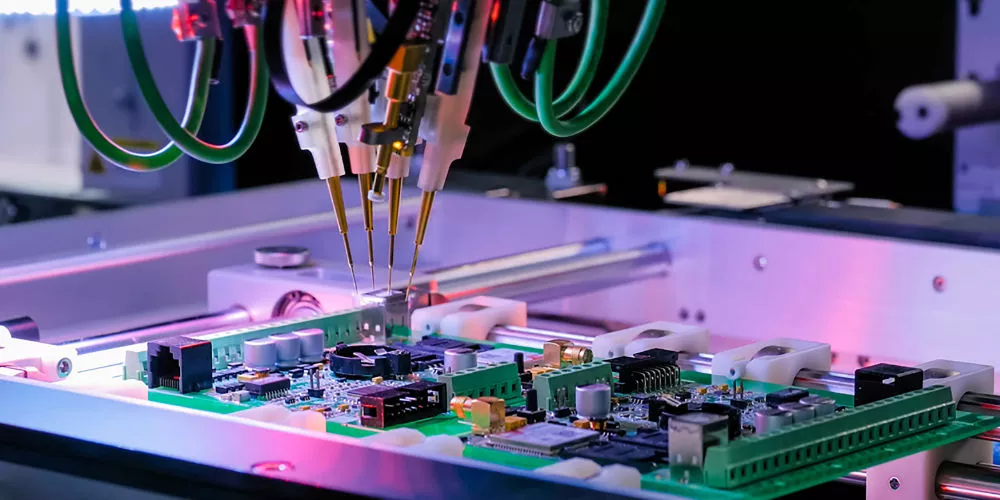
As technology continues to evolve, many businesses are turning to external partners to help develop innovative electronic products. Deciding whether to handle design in-house or to collaborate with specialized firms is a significant choice that impacts cost, speed, and product quality. Understanding the outsourcing electronic product design pros and cons is crucial for making informed decisions that align with your business goals.
This article explores the main advantages and potential drawbacks of delegating electronic product development to third-party experts. We’ll also highlight key considerations, best practices, and how to evaluate if this approach fits your project needs. For a detailed overview of the entire process, you might also find the electronic product design process steps guide helpful.
Key Benefits of Delegating Electronic Product Development
Many organizations choose to outsource electronic design to leverage external expertise and resources. Here are some of the most significant advantages:
- Access to Specialized Skills: External design firms often have engineers and designers with deep experience in specific technologies, compliance standards, and manufacturing processes. This can be especially valuable for startups or companies entering unfamiliar markets.
- Cost Efficiency: Outsourcing can reduce overhead by eliminating the need to hire, train, and maintain a full in-house engineering team. You pay only for the services you need, which can help control budgets and reduce long-term commitments.
- Faster Time-to-Market: Established design partners have proven workflows and access to advanced tools, which can accelerate development and help launch products sooner.
- Scalability and Flexibility: Working with external teams allows you to scale resources up or down based on project demands, without the delays of recruitment or layoffs.
- Reduced Risk: Experienced design firms are familiar with regulatory requirements and common pitfalls, helping to minimize costly mistakes and compliance issues.

Potential Drawbacks and Risks of Third-Party Design
While there are clear benefits, there are also important challenges to consider when evaluating outsourcing electronic product design pros and cons:
- Loss of Control: Relying on an external partner means less direct oversight of day-to-day progress, design decisions, and intellectual property handling.
- Communication Barriers: Differences in time zones, language, or corporate culture can lead to misunderstandings or delays. Clear documentation and regular updates are essential.
- Quality Concerns: Not all design firms deliver the same level of quality. Without careful vetting, you may encounter issues with design integrity, documentation, or manufacturability.
- Intellectual Property Risks: Sharing sensitive information with third parties can expose your ideas to potential leaks or disputes. Strong contracts and NDAs are critical.
- Hidden Costs: While outsourcing can be cost-effective, unexpected expenses may arise from scope changes, additional revisions, or misaligned expectations.
When Is Outsourcing the Right Choice?
Not every project or organization will benefit equally from external design partnerships. Consider these factors to determine if this approach aligns with your needs:
- Project Complexity: Highly specialized or complex products may require expertise not available in-house.
- Resource Availability: If your internal team is overloaded or lacks specific technical skills, outsourcing can fill the gap.
- Budget Constraints: For startups or small businesses, outsourcing can provide access to world-class talent without the costs of building a permanent team.
- Time Pressure: Tight deadlines may be easier to meet with an experienced partner who can dedicate focused resources to your project.
For a closer look at the full range of services and how they can support various projects, see the electronic product design services explained article.

Best Practices for Successful Electronic Design Partnerships
To maximize the benefits and minimize the risks of working with external design teams, consider these practical steps:
- Define Clear Requirements: Provide detailed specifications, goals, and constraints at the outset to avoid misunderstandings.
- Vet Potential Partners: Review portfolios, request references, and evaluate technical capabilities before signing agreements.
- Establish Communication Protocols: Set up regular meetings, status reports, and clear points of contact to keep everyone aligned.
- Protect Intellectual Property: Use strong contracts, NDAs, and clarify ownership of designs and documentation.
- Monitor Progress: Request prototypes, design reviews, and documentation at key milestones to ensure quality and alignment.
For more background on what goes into creating electronic devices, the definition of electronic product design provides a helpful foundation.
Comparing In-House vs. Outsourced Electronic Design
Choosing between internal development and external partners depends on your company’s unique situation. Here’s a brief comparison:
| Aspect | In-House | Outsourced |
|---|---|---|
| Expertise | Limited to internal team skills | Access to broad, specialized knowledge |
| Cost | Higher fixed costs (salaries, equipment) | Variable costs, pay-per-project |
| Control | Direct oversight | Less direct, relies on communication |
| Time-to-Market | May be slower if team is small | Often faster with experienced partners |
| IP Security | Fully internal | Requires contracts and trust |
Frequently Asked Questions
What types of companies benefit most from external electronic design services?
Startups, small businesses, and organizations lacking specialized engineering talent often gain the most from outsourcing. It allows them to access advanced skills and accelerate development without the overhead of building a large internal team.
How can I ensure my intellectual property is protected when working with a third party?
Use comprehensive contracts, non-disclosure agreements, and clarify ownership of all deliverables before starting the project. Choose partners with a strong reputation for professionalism and security.
Are there hidden costs in outsourcing electronic product development?
While outsourcing can reduce many expenses, hidden costs may arise from unclear requirements, scope changes, or additional revisions. Detailed planning, clear communication, and milestone-based payments help manage these risks.
Where can I learn more about the prototyping process for electronics?
For a step-by-step breakdown, see the electronic prototyping process guide for practical insights and best practices.
Understanding the outsourcing electronic product design pros and cons is essential for making the right decision for your next project. By weighing the benefits and risks, and following best practices, you can maximize your chances of a successful product launch.
