

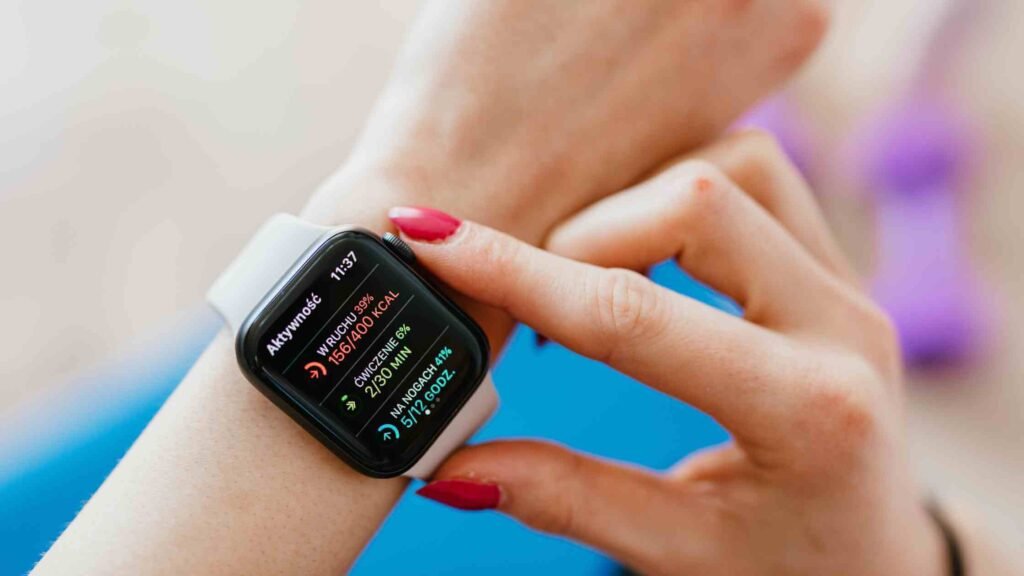
Wearable technology has rapidly evolved from simple step counters to sophisticated devices capable of monitoring a wide range of health and activity metrics. At the heart of these innovations are various types of sensors used in wearables, each designed to capture specific data about the user’s body or environment. Understanding these components is essential for anyone interested in how smartwatches, fitness trackers, and other wearable devices function and deliver valuable insights.
For those involved in product development or curious about the technical side of wearables, learning about sensor technology can provide a deeper appreciation for the engineering behind these compact devices. If you’re interested in the process of creating such products, you may find the electronic prototyping process guide helpful for understanding how these components come together in real-world applications.
Core Categories of Sensors in Wearable Devices
Modern wearables rely on a diverse set of sensors to collect and process data. These components can be grouped into several main categories based on the type of information they capture:
- Motion and Position Sensors: Track movement, orientation, and acceleration.
- Physiological Sensors: Monitor vital signs and other biological signals.
- Environmental Sensors: Detect external conditions like temperature or light.
- Other Specialized Sensors: Enable unique features such as gesture recognition or contactless payments.
Motion and Position Tracking Technologies
One of the foundational elements in wearables is the ability to detect and interpret movement. The following sensors are commonly integrated for this purpose:
Accelerometers
Accelerometers measure acceleration forces along one or more axes. In wearables, they are crucial for step counting, activity recognition, and detecting changes in movement. These sensors can distinguish between walking, running, and even periods of inactivity.
Gyroscopes
Gyroscopes sense rotational movement, allowing devices to determine orientation and angular velocity. When combined with accelerometers, they provide more accurate tracking for activities like cycling or swimming, and enhance gesture-based controls.
Magnetometers
Magnetometers detect magnetic fields and are often used as digital compasses. In wearables, they improve navigation features and help calibrate other motion sensors for better accuracy.

Physiological Monitoring Components
Wearable devices have become increasingly popular for health and fitness tracking, thanks to a range of sensors that monitor the body’s vital signs and physiological parameters.
Optical Heart Rate Sensors
These sensors use photoplethysmography (PPG), which involves shining light into the skin and measuring changes in light absorption to estimate heart rate. This non-invasive method is widely used in fitness trackers and smartwatches for continuous heart rate monitoring.
Electrocardiogram (ECG) Sensors
Some advanced wearables include ECG sensors that record the electrical activity of the heart. This feature provides more detailed cardiac data and can help detect irregular heart rhythms, offering users deeper health insights.
Pulse Oximeters
Pulse oximeters measure blood oxygen saturation (SpO2) by analyzing how light passes through blood vessels in the wrist or fingertip. This sensor is particularly valuable for athletes and individuals monitoring respiratory health.
Temperature Sensors
Skin temperature sensors track changes in body temperature, which can be useful for detecting illness, monitoring recovery, or tracking menstrual cycles. These sensors are becoming more common in the latest wearable models.
Galvanic Skin Response (GSR) Sensors
GSR sensors measure the skin’s electrical conductance, which varies with sweat gland activity. This data can be used to assess stress levels, emotional responses, or general well-being.

Environmental and Context-Aware Sensors
Beyond tracking the user’s body, many wearables also monitor the surrounding environment to provide context-aware features and improve user experience.
Ambient Light Sensors
These sensors detect the intensity of surrounding light, allowing devices to automatically adjust screen brightness for optimal visibility and battery efficiency.
Barometers
Barometric pressure sensors estimate altitude changes, which can enhance activity tracking for stair climbing or hiking. They also contribute to weather-related features in some smartwatches.
Thermometers
Environmental thermometers measure ambient temperature, which can be useful for outdoor activities or for adjusting device performance based on external conditions.
UV Sensors
UV sensors monitor ultraviolet radiation exposure, helping users manage sun safety and reduce the risk of skin damage during outdoor activities.
Specialized and Emerging Sensor Technologies
As wearable technology advances, new types of sensors are being integrated to expand device capabilities and address emerging needs.
Bioimpedance Sensors
Bioimpedance sensors measure the resistance of body tissues to a small electrical current. This data can estimate body composition, hydration levels, and even detect certain health conditions.
Electromyography (EMG) Sensors
EMG sensors capture electrical activity produced by skeletal muscles. While less common, they are used in specialized wearables for rehabilitation, sports science, and gesture recognition.
Near-Field Communication (NFC) Sensors
NFC sensors enable contactless payments and secure device pairing. This technology is increasingly found in smartwatches and fitness bands for added convenience.
Microphones and Audio Sensors
Some wearables include microphones for voice commands, call handling, or even detecting breathing patterns during sleep analysis.
Integration and Impact of Sensor Technology
The integration of multiple sensor types in a single device allows wearables to deliver comprehensive health, fitness, and lifestyle insights. The combination of motion, physiological, and environmental sensors enables features such as:
- Continuous health monitoring and early detection of anomalies
- Personalized fitness coaching and activity tracking
- Context-aware notifications and adaptive user interfaces
- Enhanced safety features, such as fall detection or emergency alerts
For a broader perspective on how these technologies are being applied in different sectors, the role of wearable technology in aged care highlights how sensor-equipped devices are supporting independent living and health management for older adults.
Challenges and Considerations in Sensor Selection
Choosing the right sensors for a wearable device involves balancing several factors:
- Accuracy and Reliability: Sensors must deliver precise data under various conditions.
- Power Consumption: Efficient sensors help maximize battery life, a critical concern for compact devices.
- Size and Integration: Components need to fit within small form factors without compromising comfort.
- Cost: The choice of sensors impacts the overall price and market positioning of the device.
- Data Privacy: Sensitive health and location data must be handled securely to protect user privacy.
Developers and manufacturers often consult resources like the embedded systems product design services explained guide to navigate these challenges and ensure successful product outcomes.
FAQ: Common Questions About Wearable Sensor Technology
What are the most common sensors found in fitness trackers?
Fitness trackers typically include accelerometers for movement tracking, optical heart rate sensors for pulse monitoring, and sometimes gyroscopes for enhanced activity recognition. Many also feature barometers and ambient light sensors to improve accuracy and user experience.
How do wearable devices measure blood oxygen levels?
Wearables use pulse oximeter sensors that shine light through the skin and measure how much light is absorbed by oxygenated and deoxygenated blood. This allows the device to estimate blood oxygen saturation (SpO2) non-invasively.
Can wearable sensors detect medical emergencies?
Some advanced devices combine multiple sensors, such as ECG, accelerometers, and gyroscopes, to detect irregular heart rhythms, falls, or other emergencies. When an anomaly is detected, the device can alert the user or emergency contacts, providing an additional layer of safety.
How do manufacturers choose which sensors to include in a wearable?
The selection depends on the intended use case, target audience, and desired features. Factors like accuracy, power efficiency, size, and cost all play a role. Manufacturers often refer to the electronic product design process steps for guidance on integrating the right technologies.
Conclusion
The range of types of sensors used in wearables continues to expand, enabling more advanced features and deeper insights for users. As sensor technology improves, wearable devices will become even more integral to health, fitness, and daily life. Staying informed about these components not only helps consumers make better choices but also empowers innovators to develop the next generation of smart, connected products.
