


The world of embedded systems product design services explained is rapidly evolving, powering everything from smart appliances to industrial automation. Businesses and innovators rely on these specialized solutions to bring intelligent, connected products to life. Understanding the process, benefits, and considerations involved in developing embedded products is essential for anyone looking to launch a successful device or system.
Whether you’re a startup with a new idea or an established manufacturer seeking to upgrade your offerings, navigating the landscape of embedded design can be complex. This article breaks down the essential aspects of these services, what to expect from a professional provider, and how to ensure your project’s success from concept to production.
For a deeper dive into the broader process, you might also find our electronic product design methodology resource helpful as you plan your embedded project.
What Are Embedded Systems Product Design Services?
At their core, these services involve the creation of custom electronic devices that combine hardware and software to perform dedicated functions. Unlike general-purpose computers, embedded systems are optimized for specific tasks, often with constraints on power, size, and cost. Examples include medical monitoring devices, automotive control units, and smart home controllers.
A typical service provider offers a range of solutions, such as:
- Concept development and feasibility analysis
- Hardware schematic and PCB design
- Firmware and embedded software development
- Prototyping and functional testing
- Design for manufacturability and compliance
- Support for certification and mass production
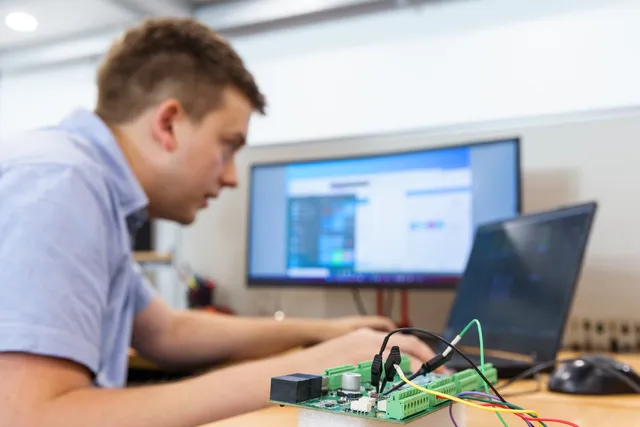
Key Steps in the Embedded Product Development Process
The journey from idea to finished product is structured and methodical. Here’s a look at the main phases involved in embedded systems product design services explained:
- Requirements Gathering: Understanding the application, user needs, and technical constraints is the first step. This phase sets the foundation for the entire project.
- System Architecture: Engineers define the hardware and software architecture, selecting processors, sensors, connectivity options, and power management strategies.
- Hardware Design: This involves schematic capture, PCB layout, and component selection, ensuring the design meets performance and reliability targets.
- Firmware and Software Development: Developers create the code that runs on the device, handling everything from low-level drivers to application logic and user interfaces.
- Prototyping and Testing: Early prototypes are built and tested to validate functionality, performance, and compliance with standards.
- Design Refinement: Feedback from testing leads to design improvements, addressing issues before moving to production.
- Manufacturing Support: The final design is prepared for mass production, including documentation, test fixtures, and support for regulatory certification.
Each phase requires close collaboration between engineers, designers, and stakeholders to ensure the final product meets all requirements.
Benefits of Professional Embedded Design Services
Partnering with an experienced provider offers several advantages:
- Expertise: Access to multidisciplinary teams skilled in electronics, firmware, and system integration.
- Efficiency: Streamlined processes reduce time-to-market and minimize costly mistakes.
- Quality Assurance: Rigorous testing and validation ensure reliable, robust products.
- Compliance: Guidance through regulatory and safety certification, essential for many industries.
- Scalability: Support for scaling from prototypes to high-volume manufacturing.
For more details on the advantages, see our article on the benefits of electronic product design services.
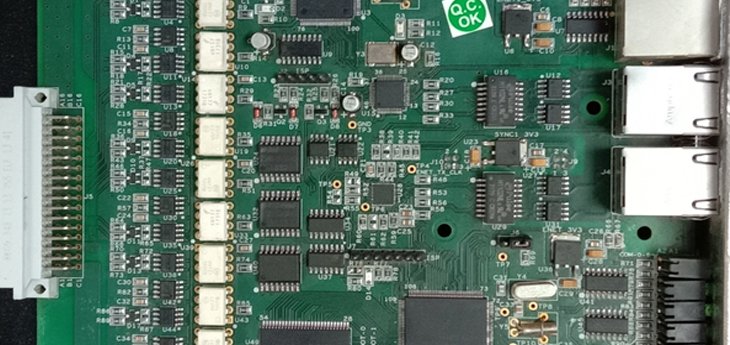
Choosing the Right Embedded Design Partner
Selecting a provider for your embedded project is a critical decision. Here are some factors to consider:
- Technical Capability: Does the team have experience with similar applications, technologies, and industry standards?
- Project Management: Look for clear communication, transparent timelines, and a structured approach.
- Prototyping and Manufacturing Support: Can the provider assist with both early-stage prototypes and scaling up to production?
- References and Portfolio: Review case studies and client testimonials to gauge past performance.
- Post-Launch Support: Ongoing maintenance, updates, and troubleshooting are vital for long-term success.
For a comprehensive overview of the process, our guide on electronic product design process steps provides additional insights.
Applications and Industry Examples
Embedded solutions are found in a wide range of sectors, including:
- Consumer electronics (wearables, smart home devices)
- Automotive (engine control, infotainment systems)
- Healthcare (diagnostic equipment, patient monitors)
- Industrial automation (robotics, process control)
- Telecommunications (networking equipment, IoT gateways)
Each application brings unique requirements, from stringent safety standards in medical devices to ruggedness in industrial environments. A skilled design partner tailors solutions to meet these challenges.
How to Get Started with Embedded Product Development
If you’re considering launching a new device, start by defining your goals, target market, and essential features. Engage with a design services provider early to assess feasibility and identify potential risks. Many firms offer initial consultations or feasibility studies to help clarify your vision and outline a roadmap.
For a look at how experienced teams approach these projects, see the overview of electronic product design services provided by Zone7 Engineering.
As you move forward, maintain open communication with your design team, prioritize clear documentation, and plan for iterative prototyping and testing. This approach helps avoid costly rework and ensures your product meets both functional and regulatory requirements.
Frequently Asked Questions
What is the typical timeline for developing an embedded product?
The duration depends on complexity, regulatory needs, and the level of customization. Simple devices may take a few months, while advanced systems with certification requirements can require a year or more. Early planning and clear requirements help streamline the process.
How do embedded design services differ from general electronic design?
Embedded projects focus on integrating hardware and software for dedicated tasks, often with strict constraints on power, size, and reliability. General electronic design may involve broader applications and less emphasis on software integration or real-time operation.
Can these services help with mass production and certification?
Yes, most providers offer support for transitioning from prototype to manufacturing, including design for manufacturability, test fixture development, and assistance with regulatory certification such as CE, FCC, or ISO standards.
Where can I learn more about the overall methodology?
For a detailed explanation of the structured approach used in these projects, refer to our electronic product design methodology guide.
