

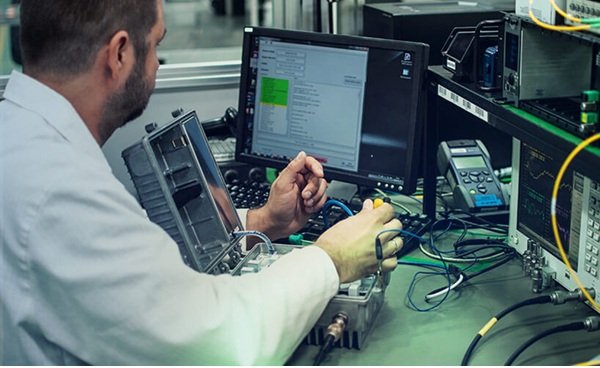
Developing a successful electronic device requires a structured approach that transforms an idea into a market-ready product. Understanding the electronic product design process steps is essential for engineers, entrepreneurs, and businesses aiming to deliver reliable, innovative solutions. This guide breaks down each phase, from concept to production, highlighting best practices and common considerations along the way.
For those interested in maximizing efficiency and minimizing costly errors, exploring the benefits of electronic product design services can provide valuable insights into how professional support streamlines development.
Understanding the Stages of Electronic Product Development
The journey from concept to finished device involves several distinct phases. Each stage builds upon the previous one, ensuring that the final product meets functional, safety, and market requirements. Let’s explore the main steps involved in bringing an electronic product to life.
1. Idea Generation and Feasibility Assessment
Every project begins with a clear idea or a specific problem to solve. During this initial phase, teams define the product’s purpose, target audience, and essential features. Market research, competitor analysis, and user feedback help refine the concept and determine whether the idea is technically and commercially viable.
- Identify market needs and gaps
- Analyze existing solutions
- Estimate development costs and timelines
- Assess technical feasibility and potential risks
2. Requirements Definition and Specification
Once the concept is validated, the next step is to document detailed requirements. This includes functional specifications, performance criteria, regulatory standards, and user interface expectations. Well-defined requirements serve as the blueprint for the entire project, minimizing misunderstandings and scope creep.
- Document hardware and software requirements
- Define environmental and compliance standards
- Establish power, size, and connectivity constraints
- Set clear acceptance criteria

Design and Prototyping in Electronic Product Creation
3. System Architecture and Schematic Design
At this stage, engineers create the overall system architecture, selecting components and defining how they interact. Schematic diagrams illustrate the electrical connections and signal flows, laying the groundwork for the printed circuit board (PCB) layout.
- Choose microcontrollers, sensors, and other key components
- Design power supply and signal paths
- Ensure compatibility and scalability
4. PCB Layout and Hardware Development
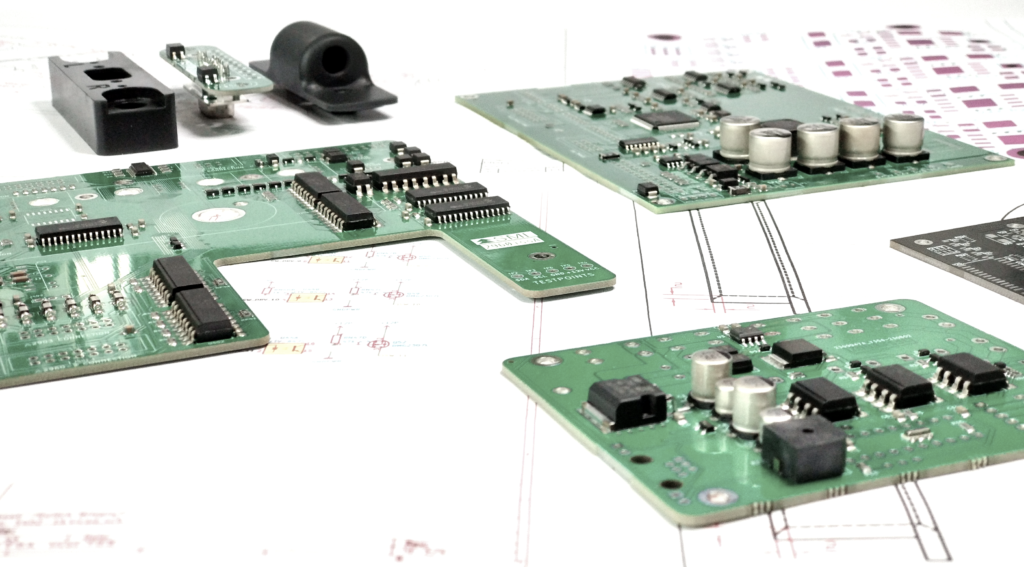
With schematics in hand, designers translate them into a physical PCB layout. This involves arranging components, routing traces, and optimizing for size, thermal management, and electromagnetic compatibility. Modern tools allow for 3D visualization and simulation to catch potential issues early.
- Optimize component placement for performance and manufacturability
- Address signal integrity and noise reduction
- Prepare files for PCB fabrication
5. Firmware and Software Engineering
Many electronic products require embedded software to control hardware functions. Firmware development runs in parallel with hardware design, ensuring seamless integration and reliable operation. User interface software, mobile apps, or cloud connectivity may also be developed at this stage.
- Write and test embedded code
- Develop user interfaces and connectivity features
- Implement security and update mechanisms
Testing, Validation, and Preparing for Production
6. Prototyping and Iterative Testing
Building prototypes is a crucial step in the electronic product design process steps. Early prototypes help verify design assumptions, test functionality, and identify areas for improvement. Multiple iterations may be required to refine both hardware and software before moving to mass production.
- Assemble and test initial prototypes
- Collect feedback from users and stakeholders
- Debug and optimize design based on test results
7. Compliance, Certification, and Quality Assurance
Before a product can be sold, it must meet relevant regulatory and safety standards. This may include certifications such as CE, FCC, or RoHS, depending on the target market. Rigorous quality assurance testing ensures the product is reliable, safe, and ready for commercial release.
- Conduct environmental and safety testing
- Prepare documentation for regulatory bodies
- Implement quality control procedures
8. Manufacturing and Production Ramp-Up
With a validated design and necessary certifications in place, the focus shifts to manufacturing. This involves selecting suppliers, setting up assembly lines, and managing logistics. Pilot runs help identify any last-minute issues before full-scale production begins.
- Source components and materials
- Establish manufacturing processes and quality checks
- Plan for scalability and supply chain resilience
For a deeper dive into industry best practices, consider reviewing this comprehensive overview of electronics design methodologies.
Best Practices for a Successful Design Cycle
Navigating the electronic product design process steps efficiently requires careful planning and collaboration. Here are some proven strategies to ensure success:
- Cross-functional teamwork: Involve hardware, software, and manufacturing experts early in the process.
- Iterative development: Use prototyping and testing to catch issues before they become costly.
- Documentation: Maintain clear records of requirements, changes, and test results.
- Regulatory awareness: Stay informed about compliance standards for your target markets.
- User feedback: Incorporate input from real users to refine features and usability.
Frequently Asked Questions
What are the most important phases in developing an electronic product?
The most critical phases include idea validation, requirements specification, schematic and PCB design, prototyping, testing, certification, and manufacturing. Each stage ensures the product is functional, safe, and ready for market introduction.
How can I reduce time-to-market for a new electronic device?
To accelerate development, focus on clear requirements, use proven components, leverage rapid prototyping, and engage experienced design partners. Early and frequent testing helps catch issues before they delay production.
Why is regulatory compliance important in electronic product development?
Compliance ensures that products meet safety, environmental, and performance standards required by law. Failing to obtain necessary certifications can result in product recalls, fines, or bans from key markets.
