

The rise of remote work off-grid is transforming how people approach their careers and lifestyles. As more professionals seek freedom from traditional offices, many are choosing to live and work in rural or off-grid environments. This shift brings unique opportunities and challenges, especially when it comes to staying productive and connected without the comforts of urban infrastructure.
Whether you’re considering a move to a cabin in the woods, a homestead, or a solar-powered RV, understanding the essentials of working remotely from an off-grid location is crucial. This guide covers the practical steps, tools, and strategies needed to maintain reliable connectivity, manage your work, and thrive in a self-sufficient setting.
For those curious about the broader lifestyle, exploring the rural off-grid lifestyle can provide valuable insights into both the rewards and realities of this path.
Why Choose a Remote, Self-Sufficient Work Environment?
Working away from city centers offers more than just a change of scenery. Many are drawn to off-grid living for its promise of independence, sustainability, and a closer connection to nature. For remote professionals, this lifestyle can mean fewer distractions, lower living costs, and the ability to design a workday that fits personal rhythms.
- Autonomy: Set your own schedule and work from anywhere.
- Cost Savings: Reduce expenses by growing food, generating your own power, and minimizing commuting.
- Well-being: Enjoy less noise, cleaner air, and more outdoor time.
- Sustainability: Lower your carbon footprint with renewable energy and eco-friendly practices.
However, these benefits come with the need for careful planning, especially around connectivity and power.
Essential Connectivity Solutions for Off-Grid Work
The biggest hurdle for remote work off-grid is maintaining a stable internet connection. Fortunately, technology has made it possible to stay online from almost anywhere.
Satellite Internet and Cellular Hotspots
Satellite internet services like Starlink, HughesNet, or Viasat offer broadband speeds in rural and remote areas. While installation costs can be higher, these systems provide reliable access where cable or DSL is unavailable. Cellular hotspots, using 4G or 5G networks, are another option if you have decent coverage. Investing in a high-gain antenna or signal booster can improve reliability.
Powering Your Devices Off the Grid
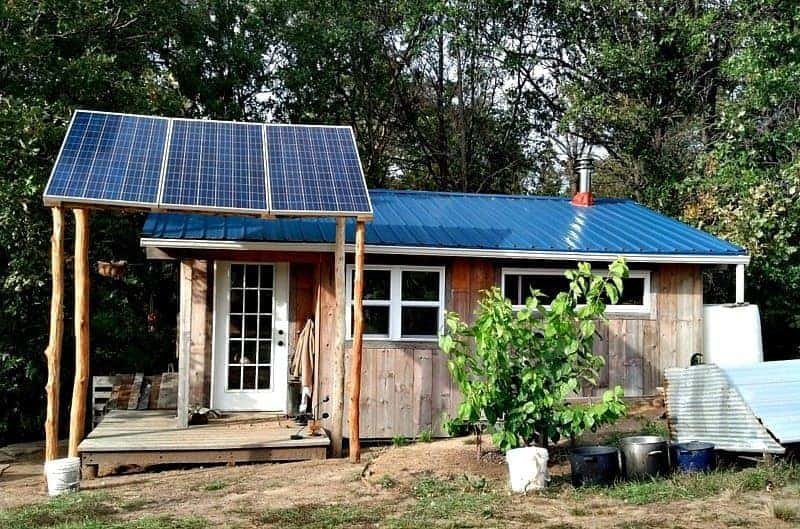
Reliable electricity is essential for any remote worker. Solar panels are the most popular choice, often paired with battery storage to ensure power during cloudy days or at night. Some also use wind turbines or backup generators. Key considerations include:
- Calculating your daily energy needs (laptop, router, phone, lighting, etc.)
- Choosing the right size solar array and battery bank
- Investing in energy-efficient devices to stretch your resources
Setting Up Your Off-Grid Workspace
Creating a productive environment is key to successful remote work in off-grid locations. Consider these tips:
- Dedicated Work Area: Set up a comfortable, quiet spot with natural light and minimal distractions.
- Ergonomics: Use a supportive chair and desk to prevent strain, especially if you work long hours.
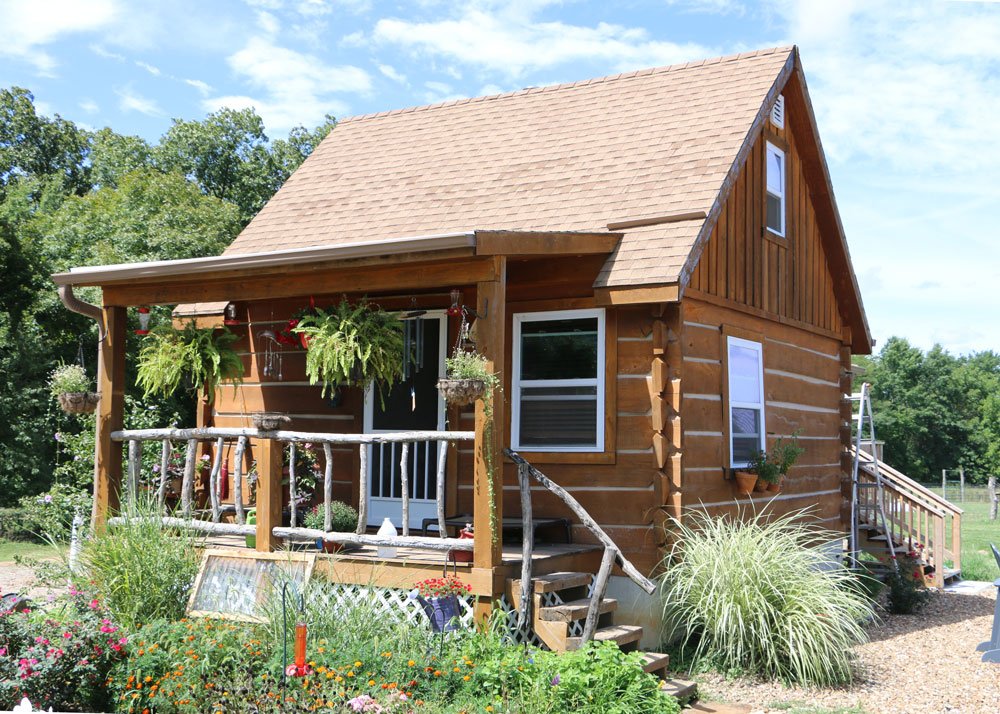
- Weather Protection: Ensure your workspace is insulated and protected from the elements, especially in cabins or tiny homes.
- Backup Supplies: Keep extra charging cables, surge protectors, and portable batteries on hand.
For those transitioning to this lifestyle, the article on transitioning to off-grid life offers practical advice on making the move smoothly.
Managing Work and Life Balance in Remote Settings
Living and working in a self-reliant environment can blur the lines between professional and personal time. Here are some strategies to maintain balance:
- Set Clear Boundaries: Define work hours and stick to them to avoid burnout.
- Take Breaks Outdoors: Use your natural surroundings to recharge during the day.
- Stay Connected: Schedule regular check-ins with colleagues, friends, and family to avoid isolation.
- Embrace Homesteading Skills: Gardening, animal care, and DIY projects can provide healthy breaks from screen time.
Tools and Apps for Off-Grid Professionals
The right digital tools can make a big difference when working in remote locations. Consider these essentials:
- Offline Productivity Apps: Use note-taking, project management, and document editing tools that work without constant internet access (e.g., Notion, Google Docs offline, Evernote).
- Cloud Storage with Sync: Services like Dropbox or Google Drive let you work offline and sync files when you reconnect.
- Communication Platforms: Apps like Slack, Zoom, or Microsoft Teams help you stay in touch with your team, even with limited bandwidth.
- Task Automation: Automate repetitive tasks to save power and time, especially when managing homestead chores alongside work.
Homesteading and Self-Sufficiency: Enhancing Your Off-Grid Experience
Many who embrace remote work off-grid also pursue homesteading to increase self-reliance. Growing your own food, raising animals, and building with local materials can reduce costs and deepen your connection to the land. For a comprehensive overview, see this introduction to homesteading essentials.
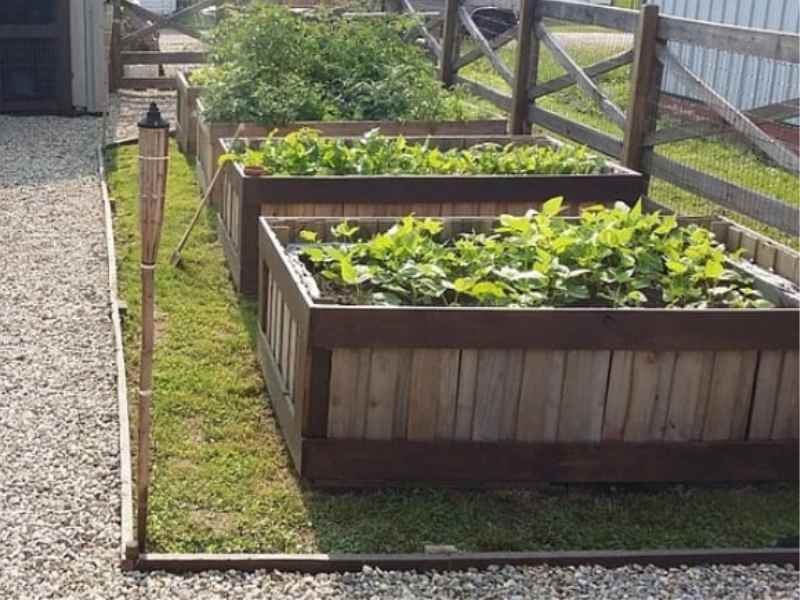
Raised garden beds, smart chicken coops, and water collection systems are just a few upgrades that can make daily life easier and more productive. Investing in quality tools and learning new skills will pay off in both your work and homestead routines.
Common Challenges and How to Overcome Them
While the rewards of working remotely in an off-grid setting are significant, there are also obstacles to consider:
- Internet Outages: Always have a backup connection, such as a secondary hotspot or a local library with Wi-Fi.
- Power Interruptions: Regularly maintain your solar or generator systems and keep spare batteries charged.
- Weather Impacts: Prepare for storms or extreme temperatures with proper insulation, weatherproofing, and emergency supplies.
- Isolation: Join online communities or local groups to stay connected and share resources.
With the right mindset and preparation, these challenges become manageable and can even foster greater resilience and creativity.
FAQ
What is the best way to get internet access in a remote, off-grid location?
The most reliable options are satellite internet providers and cellular hotspots. Satellite services work almost anywhere with a clear view of the sky, while cellular hotspots depend on local coverage. Using signal boosters and high-gain antennas can improve performance.
How can I keep my devices powered when living off the grid?
Solar panels paired with battery storage are the most popular solution. Some people add wind turbines or backup generators for extra reliability. It’s important to calculate your total energy needs and invest in energy-efficient devices.
How do I balance work and homestead responsibilities?
Setting clear work hours, using productivity tools, and scheduling regular breaks for homestead tasks can help. Many find that integrating outdoor chores into their daily routine improves focus and well-being.
Is off-grid remote work suitable for everyone?
This lifestyle requires adaptability, problem-solving skills, and a willingness to learn new things. It’s ideal for those who value independence and are comfortable with occasional challenges related to connectivity and self-sufficiency.
For more insights on making the switch, check out resources on transitioning to off-grid life and the rural off-grid lifestyle.
