

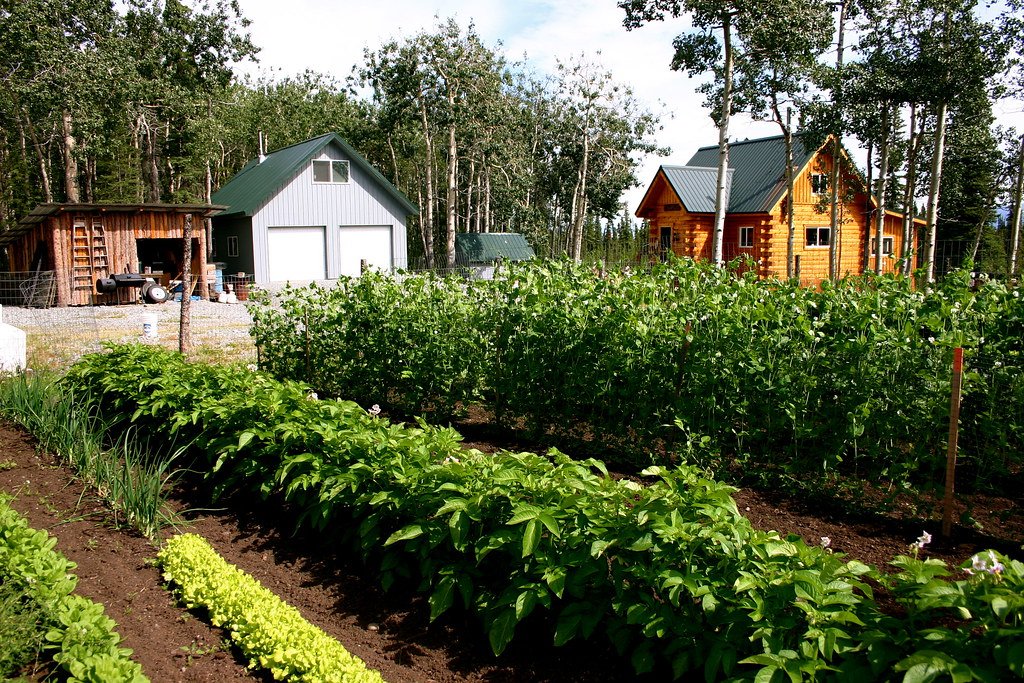
Making the shift to a self-sufficient lifestyle away from traditional utilities is a major decision. For many, transitioning to off-grid life represents a desire for independence, sustainability, and a closer connection to nature. However, this journey involves careful planning, practical adjustments, and a willingness to learn new skills. Whether you’re motivated by environmental concerns, cost savings, or the appeal of rural living, understanding the essentials is key to a successful transition.
Before diving into the practical steps, it’s helpful to explore different perspectives and real-world experiences. If you’re curious about the realities, benefits, and drawbacks of this lifestyle, check out this detailed look at the rural off-grid lifestyle for further insights.
Understanding the Basics of Off-Grid Living
At its core, living off the grid means disconnecting from public utilities such as electricity, water, and sewage. Instead, you’ll rely on alternative sources—solar panels, wells, septic systems, and sometimes wind or hydro power. This approach can be as simple as a small cabin with minimal amenities or as complex as a fully equipped homestead with modern comforts.
The process of moving toward off-grid independence requires a mindset shift. You’ll need to become more resourceful, adaptable, and proactive in managing your daily needs. It’s not just about technology or location—it’s about building systems that support your lifestyle and values.
Key Steps for a Smooth Transition
1. Assessing Your Motivations and Goals
Before making any commitments, clarify why you want to pursue this path. Are you seeking financial freedom, environmental sustainability, or simply a quieter life? Your motivations will influence your choices regarding location, infrastructure, and the level of self-sufficiency you aim to achieve.
2. Choosing the Right Location
Selecting the right property is fundamental. Consider factors such as climate, access to water, soil quality, and proximity to resources or community. Some areas have zoning laws or restrictions that affect building, water use, or renewable energy installations. Research local regulations thoroughly to avoid surprises.
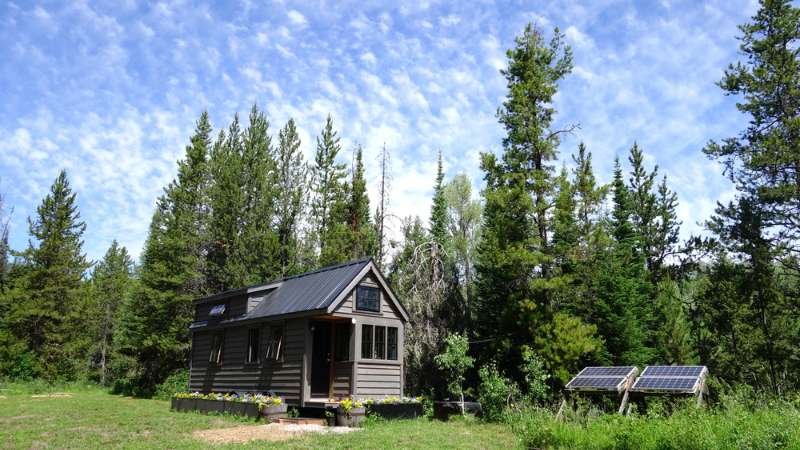
3. Setting Up Essential Systems
- Power: Most off-grid homes use solar panels, sometimes supplemented by wind turbines or generators. Calculate your energy needs and invest in a reliable battery storage system.
- Water: Options include drilling a well, collecting rainwater, or tapping into a nearby spring. Water purification and storage are critical for safety and convenience.
- Waste Management: Septic systems, composting toilets, and greywater recycling are common solutions. Proper planning ensures sanitation and environmental protection.
- Heating and Cooling: Wood stoves, passive solar design, and natural ventilation can help regulate temperature without relying on the grid.
For a comprehensive overview of the equipment and supplies you’ll need, see this off-grid living essentials guide for practical recommendations.
Building Skills and Community Connections
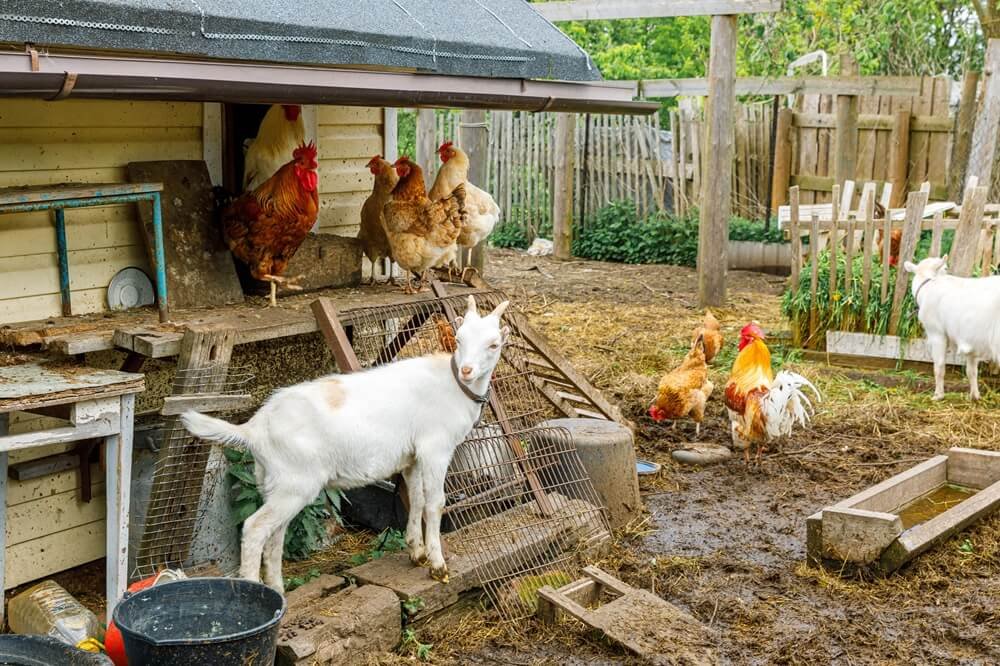
Adapting to a self-reliant lifestyle means developing a broad skill set. Gardening, animal husbandry, basic carpentry, and mechanical repairs are just a few areas where knowledge pays off. Many find it helpful to connect with local homesteaders, attend workshops, or join online forums to share tips and troubleshoot challenges.
Common Challenges and How to Overcome Them
Managing Expectations
The romantic idea of living off the land often differs from reality. There will be setbacks—unexpected repairs, harsh weather, or periods of isolation. It’s important to approach the process with patience and flexibility. Start small, celebrate progress, and don’t hesitate to seek advice from others who have made the leap.
Budgeting and Financial Planning
While the long-term goal is often to reduce expenses, the initial investment in land, infrastructure, and equipment can be significant. Create a realistic budget that includes not just setup costs but ongoing maintenance, emergency funds, and upgrades as your needs evolve.
Staying Connected
Even in remote areas, maintaining some level of connectivity is possible. Satellite internet, radio, and community networks can help you stay informed and access resources. Building relationships with neighbors and local groups can also provide support and a sense of belonging.
Tips for a Successful Move Toward Off-Grid Living
- Research thoroughly: Read books, watch tutorials, and learn from experienced homesteaders.
- Start with a trial period: Try camping on your land or living with minimal utilities before making permanent changes.
- Invest in quality tools: Reliable equipment makes daily tasks easier and safer.
- Embrace continuous learning: Skills like gardening, animal care, and basic construction are invaluable.
- Plan for the unexpected: Weather, wildlife, and equipment failures are part of the experience.
FAQ
What are the first steps to prepare for living off the grid?
Begin by clarifying your goals and motivations, then research locations that support your vision. Assess your current skills, create a budget, and start learning about essential systems like power, water, and waste management. Visiting established homesteads or talking to experienced off-gridders can provide valuable insights.
How much land do you need for a self-sufficient lifestyle?
The amount of land required depends on your goals. For basic gardening and small livestock, one to five acres may be sufficient. If you plan to grow most of your own food or raise larger animals, you may need more space. Soil quality, water access, and climate are just as important as acreage.
Is it legal to disconnect from the grid everywhere?
Not all areas allow complete disconnection from public utilities. Local zoning laws, building codes, and health regulations may require certain hookups or permits. Always check with local authorities before purchasing land or starting construction to ensure your plans comply with regulations.
Transitioning to off-grid life is a rewarding but complex journey. With careful planning, ongoing learning, and a supportive community, you can create a lifestyle that aligns with your values and goals.
