

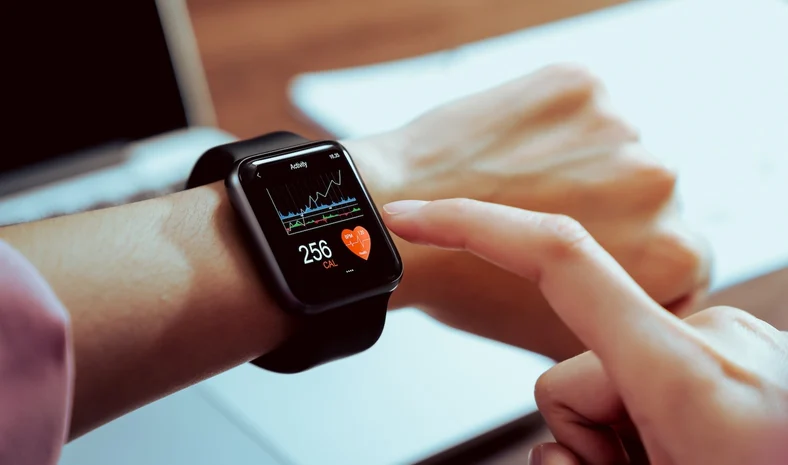
The market for wearable technology is expanding rapidly, with devices ranging from fitness trackers and smartwatches to advanced medical monitors. Creating a successful wearable device involves more than just innovative hardware; it requires a thoughtful approach to design, engineering, user experience, and regulatory compliance. Understanding the steps to build a wearable product is essential for startups and established companies aiming to deliver reliable, user-friendly, and market-ready solutions.
Before diving into the development journey, it’s important to recognize the unique challenges associated with wearables, such as miniaturization, battery life, durability, and seamless integration with software platforms. For those working with electronics, addressing reliability concerns—like how to avoid thermal runaway—is also a crucial consideration early in the process.
Understanding the Wearable Technology Landscape
Before starting product development, it’s vital to analyze the current wearable technology ecosystem. This includes identifying market trends, user needs, and the competitive landscape. According to industry definitions of wearable technology, these devices are electronic gadgets worn on the body that monitor, analyze, and transmit information.
Key considerations at this stage include:
- Target audience: Who will use the device, and what problems will it solve?
- Use case: Is the focus on health, fitness, communication, or another area?
- Competitor analysis: What features do similar products offer, and where are the gaps?
- Regulatory environment: Are there specific certifications or standards to meet?
Defining Product Requirements and Specifications
Once the market landscape is clear, the next step is to define detailed product requirements. This phase sets the foundation for the entire development process and helps avoid costly changes later on.
- Functionality: List all core features and prioritize them. For example, heart rate monitoring, step counting, or wireless connectivity.
- Form factor: Decide on the device’s size, shape, and how it will be worn (wrist, clothing, eyewear, etc.).
- Battery life: Establish minimum acceptable battery performance based on user expectations and use cases.
- Connectivity: Determine which wireless protocols (Bluetooth, Wi-Fi, LTE) are necessary for your application.
- Durability: Consider water resistance, dust protection, and shock tolerance.
- Software integration: Plan for mobile app compatibility, data synchronization, and cloud connectivity.
Creating a comprehensive requirements document ensures alignment between stakeholders and guides the engineering and design teams throughout the project.
Design and Prototyping: Turning Ideas into Reality
With requirements in place, the focus shifts to design and prototyping. This is where concepts are translated into tangible models, allowing for early testing and feedback.
- Industrial design: Develop sketches and 3D models to visualize the device’s appearance and ergonomics.
- Electronic design: Select sensors, microcontrollers, and other components that fit within the size and power constraints.
- Prototyping: Build functional prototypes using rapid prototyping techniques, such as 3D printing or breadboarding.
- User testing: Gather feedback from potential users to refine the design and interface.
This stage may require several iterations to balance aesthetics, comfort, and technical feasibility. Leveraging 3D printing for electronics can accelerate prototyping and help identify design flaws early.

Engineering and Development: Building the Core
After validating the prototype, the engineering phase begins. This involves detailed hardware and software development, ensuring that the device meets all functional and performance requirements.
- Hardware development: Design custom PCBs, select batteries, and integrate sensors. Address reliability issues such as how to prevent PCB warping and other manufacturing challenges.
- Firmware and software: Develop embedded code to manage sensors, data collection, and communication. Build companion apps for smartphones or web platforms.
- Testing: Conduct rigorous functional, environmental, and safety tests to ensure the device operates as intended under real-world conditions.
- Iteration: Refine hardware and software based on test results and user feedback.
Collaboration between hardware and software teams is essential at this stage to guarantee seamless integration and optimal user experience.
Compliance, Certification, and Manufacturing
Before launching a wearable device, it’s necessary to meet regulatory and industry standards. This step is critical for market access and user safety.
- Certifications: Depending on the product, certifications like FCC, CE, or medical device approvals may be required.
- Quality assurance: Implement strict QA processes to ensure consistency and reliability in mass production.
- Manufacturing: Choose manufacturing partners with experience in wearables and establish clear communication channels for ongoing support.
- Supply chain management: Plan for sourcing, logistics, and inventory control to avoid delays and shortages.
Addressing these aspects early can prevent costly recalls or compliance issues after launch.
Launching and Supporting Your Wearable Solution
Bringing a wearable device to market is just the beginning. Ongoing support, updates, and user engagement are essential for long-term success.
- Marketing and distribution: Develop a go-to-market strategy, leveraging online and offline channels to reach your target audience.
- Customer support: Set up responsive support channels to handle user inquiries and technical issues.
- Firmware and app updates: Continuously improve the product based on user feedback and technological advancements.
- Data privacy and security: Ensure robust measures are in place to protect user data and comply with regulations.
Monitoring device performance in the field and maintaining open communication with users can help identify opportunities for improvement and new features.
Frequently Asked Questions
What are the most important factors to consider when developing a wearable device?
Key factors include user comfort, battery life, durability, connectivity, and seamless integration with software platforms. It’s also important to address regulatory requirements and ensure data privacy and security.
How long does it typically take to bring a wearable product to market?
Timelines vary based on complexity, but developing a wearable device from concept to launch can take anywhere from 12 to 24 months. This includes research, design, prototyping, engineering, testing, certification, and manufacturing.
Why is prototyping crucial in wearable technology development?
Prototyping allows teams to test design ideas, validate functionality, and gather user feedback before committing to full-scale production. It helps identify potential issues early, saving time and resources in later stages.
