

Effective heat dissipation is a critical concern in modern electronics, especially as devices become more compact and powerful. Printed circuit boards (PCBs) must efficiently manage thermal loads to ensure reliability and performance. One of the most practical and widely used solutions for addressing heat buildup in PCBs is the strategic use of vias. These small, conductive holes play a significant role in channeling heat away from sensitive components, supporting both the longevity and stability of electronic assemblies.
In this article, we’ll explore the essential functions of vias in dissipating excess heat, discuss the different types of vias used for thermal purposes, and provide actionable design tips for engineers and hobbyists. For a broader perspective on managing heat in electronics, you might also find our resource on thermal management in electronics helpful.
Understanding the Role of Vias in Heat Dissipation
Vias are vertical interconnections that pass through the layers of a PCB, typically filled or lined with conductive materials such as copper. While their primary function is to provide electrical connectivity between layers, they are also highly effective at transferring heat from the surface to inner or opposite layers, where it can be more easily dissipated.
The effectiveness of vias in thermal management stems from their ability to create a direct thermal path away from heat-generating components. By connecting copper planes or pads across multiple layers, vias help spread thermal energy, reducing localized hotspots and preventing damage to sensitive parts.

Types of Vias Used for Thermal Purposes
Not all vias are created equal when it comes to managing heat. Here are the main types commonly used for thermal applications:
- Thermal Vias: Specifically placed beneath or around heat-generating components, these vias connect top and bottom copper layers—or internal planes—to maximize heat transfer.
- Via-in-Pad: This approach involves placing vias directly within the component pad, allowing heat to move quickly from the component into the PCB’s internal layers.
- Filled and Capped Vias: For applications requiring flat surfaces or improved reliability, vias can be filled with conductive or non-conductive material and then capped with copper. This technique is common in high-density and high-power designs.
The choice of via type depends on the component’s thermal requirements, board stack-up, and manufacturing constraints. For example, via-in-pad designs are popular for high-power LEDs and power ICs, where direct heat removal is essential.
How Vias Enhance PCB Thermal Performance
Integrating vias into PCB layouts can make a significant difference in overall thermal performance. Here’s how they contribute:
- Efficient Heat Spreading: By connecting thermal pads to large copper planes, vias help distribute heat over a wider area, reducing the risk of localized overheating.
- Improved Reliability: Lower operating temperatures extend component lifespan and reduce the likelihood of thermal-induced failures.
- Support for High-Power Devices: Power electronics, RF modules, and high-brightness LEDs often require robust heat management. Vias enable these devices to operate safely at higher power levels.
The number, size, and placement of vias are all crucial factors. Too few vias may not provide adequate heat transfer, while too many can complicate manufacturing and increase costs. Designers must balance these considerations to achieve optimal results.
Best Practices for Designing Thermal Vias
To maximize the benefits of vias for heat management, consider these practical guidelines:
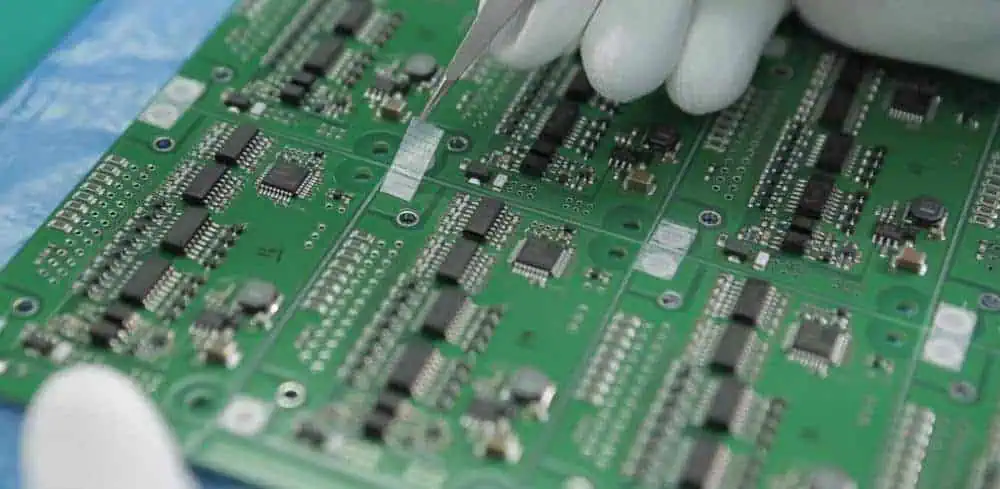
- Use Multiple Small Vias: A cluster of smaller vias is often more effective than a single large via, as it increases the total surface area for heat transfer.
- Optimize Via Spacing: Place vias as close as possible to heat sources, such as under power ICs or high-power LEDs, without violating component or manufacturing clearances.
- Connect to Large Copper Planes: Ensure that vias link thermal pads to substantial copper areas on internal or opposite layers, which act as heat sinks.
- Consider Via Filling: For applications requiring flat surfaces or improved solderability, filled and capped vias can be beneficial.
- Balance Cost and Performance: While more vias can improve heat dissipation, they also add to manufacturing complexity. Work with your PCB fabricator to find the right balance.
For those new to PCB assembly, understanding manual techniques can also help in optimizing thermal design. A helpful resource is this beginner’s guide to electronics projects, which covers practical assembly tips.
Common Challenges in Thermal Via Implementation
While the benefits of thermal vias are clear, several challenges can arise during design and manufacturing:
- Solder Wicking: Vias placed in component pads can draw solder away during reflow, leading to poor solder joints. Using filled or tented vias can help mitigate this issue.
- Manufacturing Tolerances: Very small vias or high via counts can increase fabrication complexity and cost. Always consult with your PCB manufacturer to ensure your design is feasible.
- Electrical Isolation: In some cases, thermal vias must be electrically isolated from certain layers or planes. Careful stack-up planning and the use of non-conductive via fills can address this need.
Addressing these challenges early in the design process can prevent costly revisions and ensure reliable thermal performance.
Integrating Vias with Other Heat Management Strategies
Vias are just one part of a comprehensive approach to heat management in PCBs. They work best when combined with other techniques, such as:
- Heatsinks: Attaching external heatsinks to components or the PCB itself can further enhance heat dissipation.
- Thermal Interface Materials (TIMs): These materials improve the thermal connection between components and the PCB or heatsink.
- Optimized Board Layout: Spacing out high-power components and using wider copper traces can also help manage heat.
For a deeper dive into related design considerations, our overview of electronics fabrication challenges discusses how thermal and manufacturing constraints intersect in real-world projects.
FAQ: Vias and PCB Thermal Management
What is the ideal number of thermal vias for a power component?
The optimal number depends on the component’s power dissipation and the available board area. As a rule of thumb, more vias increase heat transfer, but practical limits are set by pad size, spacing, and manufacturing capabilities. Consulting component datasheets and your PCB fabricator is recommended.
Are filled vias necessary for all thermal applications?
Filled vias are not always required, but they are beneficial when vias are placed in component pads or when a flat surface is needed for assembly. For most standard thermal vias, unfilled (open) vias are sufficient, provided solder wicking is not a concern.
How do thermal vias compare to heatsinks?
Thermal vias and heatsinks serve complementary roles. Vias move heat from the component into the PCB, while heatsinks dissipate heat from the board into the surrounding air. Combining both methods often yields the best results, especially in high-power applications.
Can vias affect electrical performance?
Yes, vias can introduce parasitic inductance and capacitance, which may impact high-frequency or sensitive analog circuits. Careful placement and design can minimize these effects while still providing effective heat management.
Conclusion
Vias are a fundamental tool for improving heat dissipation in PCB designs. By providing a direct thermal path from components to internal or opposite copper layers, they help maintain safe operating temperatures and enhance overall reliability. When combined with other strategies and designed with care, vias enable engineers to meet the demanding thermal requirements of today’s electronic devices.
For further insights into circuit design and testing, you may also be interested in our articles on circuit design rules explained and circuit continuity testing.
