

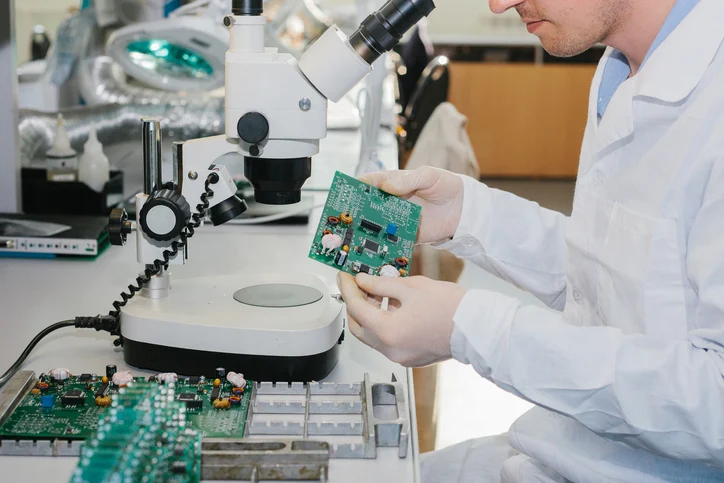
Working with electronics fabrication involves a unique set of hazards, from exposure to chemicals and solder fumes to risks of electric shock and burns. Whether you’re assembling printed circuit boards (PCBs), soldering components, or testing circuits, prioritizing safety is essential to protect yourself, your colleagues, and your workspace. This guide outlines practical and effective electronics fabrication safety tips to help you maintain a safe environment and avoid common accidents.
Alongside these best practices, understanding related topics—such as how to choose PCB substrate—can further enhance your knowledge and decision-making during fabrication.
Personal Protective Equipment for Electronics Work
Using the right personal protective equipment (PPE) is the foundation of safe electronics assembly. PPE acts as your first line of defense against hazards such as chemical splashes, soldering fumes, and accidental burns.
- Safety glasses or goggles: Protect your eyes from solder splatter, flying debris, and chemical fumes.
- Antistatic wrist straps: Prevent electrostatic discharge (ESD) that can damage sensitive components and pose a shock risk.
- Gloves: Use nitrile or latex gloves when handling chemicals or cleaning agents, but avoid gloves when soldering to maintain dexterity and avoid heat retention.
- Lab coats or aprons: Shield your clothing and skin from accidental spills and burns.
- Respirators or masks: When working in poorly ventilated areas or with fluxes that emit fumes, use appropriate masks to reduce inhalation risks.
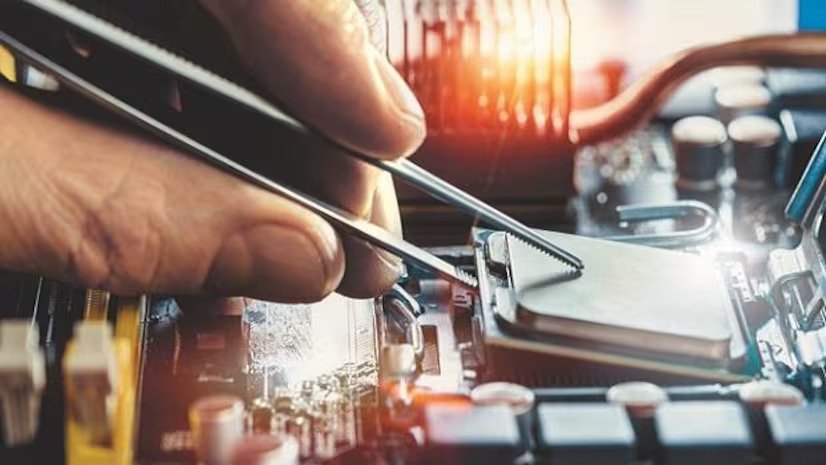
Safe Handling of Chemicals and Soldering Materials
Many processes in electronics fabrication involve hazardous chemicals, fluxes, and solder alloys. Proper handling and storage are critical to prevent accidents and long-term health issues.
- Read safety data sheets (SDS): Always review the SDS for any chemical or solder you use. Understand the hazards, required PPE, and first aid procedures.
- Use fume extraction: Soldering can release lead fumes and rosin-based flux vapors. Work in well-ventilated areas and use fume extractors to minimize inhalation.
- Store chemicals safely: Keep chemicals in labeled, sealed containers away from heat sources and incompatible substances.
- Dispose of waste properly: Follow local regulations for disposing of solder dross, used solvents, and other hazardous waste.
- Avoid direct contact: Never touch solder or chemicals with bare hands. Wash hands thoroughly after handling any materials.
Preventing Electrical Hazards in Fabrication
Electrical safety is a top priority in electronics assembly. Even low-voltage circuits can cause injury if handled improperly. Here are essential precautions to reduce electrical risks:
- Power down before working: Always disconnect power before making adjustments, repairs, or soldering on a circuit.
- Use insulated tools: Choose tools with insulated handles to reduce the risk of accidental shock.
- Check for live circuits: Use a multimeter to verify circuits are de-energized before touching components.
- Be cautious with capacitors: Capacitors can retain charge even after power is removed. Discharge them safely before handling.
- Label high-voltage areas: Clearly mark and isolate any areas with high-voltage circuits to alert others to potential danger.

Workplace Organization and Fire Prevention
A tidy, well-organized workspace not only boosts productivity but also reduces the likelihood of accidents. Fire safety is especially important due to the presence of soldering irons, heat guns, and flammable chemicals.
- Keep work areas clean: Remove clutter, unused tools, and scrap materials from benches and floors.
- Store flammables safely: Place solvents, alcohol, and other flammable liquids in approved safety cabinets.
- Have fire extinguishers nearby: Ensure that appropriate fire extinguishers (Class C for electrical fires) are accessible and that personnel know how to use them.
- Never leave hot tools unattended: Always turn off and unplug soldering irons and heat guns when not in use.
- Use ESD-safe mats: These mats not only protect sensitive electronics but also help organize your workspace.
Quality Control and Testing: Safety Considerations
Testing and quality control are integral to electronics manufacturing, but they also introduce unique safety challenges. Following established protocols helps prevent injuries and ensures reliable results.
- Follow standard procedures: Adhere to established testing protocols and use test equipment as intended.
- Inspect equipment regularly: Check test leads, probes, and meters for damage or wear before use.
- Isolate test areas: Designate specific zones for high-voltage or powered testing to minimize risk to others.
- Document incidents: Record and report any accidents or near-misses to improve future safety practices.
For more details on advanced testing methods and standards, see this comprehensive overview of electronic component testing techniques.
Best Practices for Soldering and Assembly Safety
Soldering is a core activity in electronics fabrication, but it comes with risks such as burns, fumes, and accidental bridging. Adopting careful habits can prevent injuries and improve assembly quality.
- Use proper ventilation: Always solder in areas with good airflow or use local fume extraction to avoid inhaling fumes.
- Keep hands steady: Use helping hands, vises, or PCB holders to stabilize workpieces and prevent slips.
- Allow tools to cool: Let soldering irons and tips cool before changing or storing them.
- Practice good soldering technique: Avoid excessive solder and be mindful of solder bridges. For more on this, review tips on how to avoid solder bridges.
- Clean up spills immediately: Promptly wipe up flux or solder splashes to prevent slips and contamination.
Training and Ongoing Education in Electronics Safety
Regular training ensures that everyone in the fabrication environment is aware of the latest safety protocols and best practices. Ongoing education helps reinforce safe habits and keeps teams updated on new risks.
- Conduct regular safety briefings: Schedule periodic meetings to review procedures and discuss recent incidents.
- Update training materials: Revise safety manuals and signage as new equipment or chemicals are introduced.
- Encourage reporting: Foster a culture where staff feel comfortable reporting hazards or suggesting improvements.
- Stay informed: Keep up with industry standards and emerging risks by attending workshops or reading technical publications.
FAQ: Common Questions About Electronics Fabrication Safety
What is the most important piece of safety equipment for electronics assembly?
While all personal protective equipment is important, safety glasses or goggles are essential for protecting your eyes from solder splashes, debris, and chemical fumes. Always wear them when working with soldering irons, chemicals, or power tools.
How can I reduce the risk of inhaling hazardous fumes during soldering?
Work in a well-ventilated area and use a fume extractor positioned close to your soldering point. If possible, choose lead-free solder and low-fume fluxes to further minimize exposure. Wearing a suitable mask can also help if ventilation is limited.
What steps should I take if I accidentally spill a chemical or solder on my skin?
Immediately rinse the affected area with plenty of water. Remove any contaminated clothing and consult the chemical’s safety data sheet for specific first aid instructions. If irritation persists or the chemical is particularly hazardous, seek medical attention promptly.
Why is ESD protection necessary in electronics fabrication?
Electrostatic discharge (ESD) can damage sensitive electronic components, leading to malfunction or failure. Using antistatic wrist straps, mats, and grounding techniques helps protect both workers and devices from ESD-related issues.
Conclusion
Adhering to electronics fabrication safety tips is crucial for anyone involved in assembling, testing, or repairing electronic devices. By using the right protective equipment, handling chemicals responsibly, maintaining a tidy workspace, and staying informed through ongoing training, you can significantly reduce risks and create a safer working environment. For further reading on related topics, explore resources like what is conformal coating or electronics troubleshooting basics to expand your understanding of safe electronics practices.
