

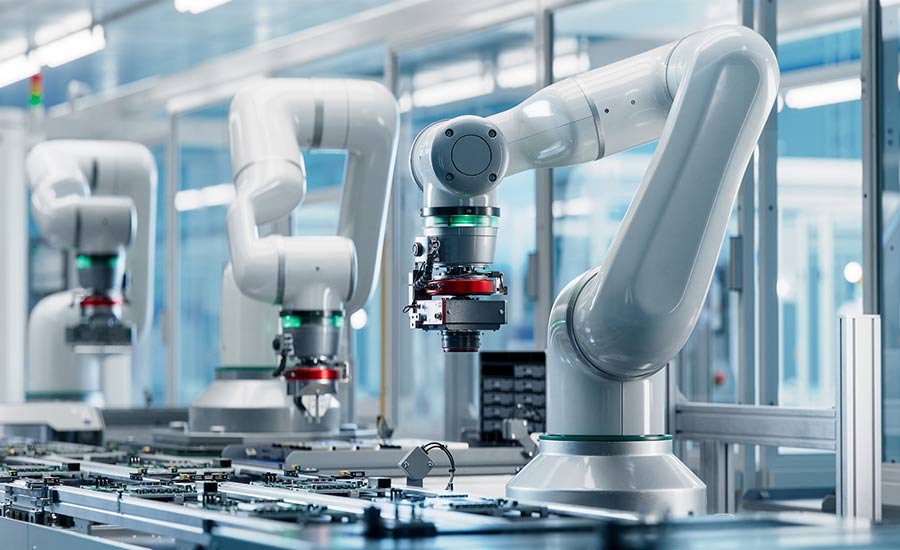
In the fast-paced world of electronics manufacturing, ensuring that every product meets strict standards is essential. Electronics quality control explained is more than just a checkpoint—it’s a comprehensive process that helps prevent defects, ensures safety, and maintains customer trust. From the smallest resistor to complex circuit boards, each component must be thoroughly inspected and tested to guarantee reliability and compliance.
This article offers a practical overview of how quality assurance is implemented in electronics production. You’ll learn about the main stages, common inspection methods, and the importance of robust testing protocols. For those interested in the origins of electronic parts, you may also find value in exploring how electronics components are made to better understand the journey from raw materials to finished device.
Understanding the Importance of Quality Assurance in Electronics
The electronics industry is highly competitive and regulated, making quality control a non-negotiable aspect of manufacturing. A single faulty component can compromise an entire device, leading to costly recalls, safety hazards, or even brand reputation damage. As a result, manufacturers invest heavily in systematic inspection and testing throughout the production cycle.
Quality assurance in this field covers everything from incoming material checks to final product evaluation. Each step is designed to catch errors early, minimize waste, and ensure that only products meeting strict criteria reach the market.
Key Stages of Quality Control in Electronics Manufacturing
The process of maintaining high standards in electronics production involves several critical phases. Each stage is tailored to identify and address potential issues before they escalate.
- Incoming Material Inspection: All raw materials and components are checked for compliance with specifications before entering the assembly line.
- In-Process Inspection: During assembly, technicians monitor solder joints, component placement, and other factors to catch defects as they occur.
- Functional Testing: Assembled boards and devices are tested to verify that they operate as intended under various conditions.
- Final Quality Audit: Before packaging, a thorough review ensures that each product meets visual, functional, and safety standards.

Common Methods for Ensuring Product Reliability
A variety of techniques are used to verify the performance and safety of electronic products. These methods are selected based on the complexity of the device, regulatory requirements, and customer expectations.
Visual Inspection and Automated Optical Inspection (AOI)
Visual checks are the first line of defense against obvious defects such as misaligned components or poor solder joints. Automated Optical Inspection (AOI) systems use cameras and software to rapidly scan circuit boards for errors, increasing accuracy and speed.
In-Circuit and Functional Testing
In-circuit testing (ICT) involves probing individual components on a PCB to ensure correct placement and operation. Functional testing simulates real-world usage, verifying that the assembled device performs as expected. These steps are essential for catching hidden faults that visual checks might miss.
X-Ray and Advanced Diagnostic Techniques
For complex assemblies, X-ray inspection can reveal hidden soldering issues or internal defects. Other advanced methods, such as boundary scan or flying probe testing, are used for highly dense or miniaturized boards.
For a deeper dive into the various approaches, see this comprehensive overview of test methods for electronic components.

Best Practices for Effective Quality Management
To maintain consistent results, manufacturers follow a set of best practices tailored to the electronics sector. These guidelines help streamline processes, reduce errors, and ensure compliance with industry standards.
- Standardized Procedures: Documented workflows and checklists ensure that each step is performed consistently, regardless of operator or shift.
- Employee Training: Ongoing education keeps staff updated on the latest inspection tools, safety protocols, and regulatory changes.
- Continuous Improvement: Feedback loops and data analysis allow teams to identify trends, address recurring issues, and refine processes over time.
- Traceability: Detailed records of materials, processes, and inspections make it easier to track down the root cause of any quality issues.
For those interested in the hands-on side of electronics, learning about DIY PCB fabrication can provide valuable insights into the importance of precision and process control at every step.
How Quality Control Impacts the Electronics Supply Chain
Rigorous inspection and testing practices not only protect end users but also benefit the entire supply chain. By catching defects early, manufacturers reduce the risk of costly recalls, minimize waste, and strengthen relationships with suppliers and customers. Consistent quality standards also help companies comply with international regulations and certifications, opening doors to global markets.
In addition, robust quality management supports innovation by allowing engineers to experiment with new designs and materials, confident that any issues will be detected before products reach consumers.
Related Topics and Further Reading
If you’re looking to expand your understanding of electronics manufacturing and testing, consider these resources:
- Learn about electronics testing methods for a closer look at the tools and techniques used to verify device performance.
- Explore how wave soldering works in PCB assembly to see how reliable connections are formed on modern circuit boards.
- Discover essential circuit prototyping materials for building and testing new electronic designs.
Frequently Asked Questions
What are the main goals of quality control in electronics manufacturing?
The primary objectives are to ensure product reliability, safety, and compliance with industry standards. By systematically inspecting and testing components and assemblies, manufacturers can minimize defects, reduce recalls, and maintain customer satisfaction.
Which testing methods are most commonly used for electronic products?
Common approaches include visual inspection, Automated Optical Inspection (AOI), in-circuit testing, functional testing, and X-ray analysis. The choice of method depends on the complexity of the device and the specific risks involved.
How does quality control benefit the end user?
Rigorous inspection and testing help ensure that electronic products are safe, reliable, and perform as expected. This reduces the likelihood of failures, safety hazards, or costly repairs for consumers.
Where can I learn more about the manufacturing process of electronic components?
For a detailed look at the production journey, visit this guide on how electronics components are made.
